
This article was written exclusively for The Film Magazine by Sophie Butcher.
Our Ladies (2020)
Director: Michael Caton-Jones
Screenwriter: Michael Caton-Jones
Starring: Abigail Lawrie, Tallulah Greive, Sally Messham, Rona Morrison, Marli Siu, Eve Austin, Kate Dickie
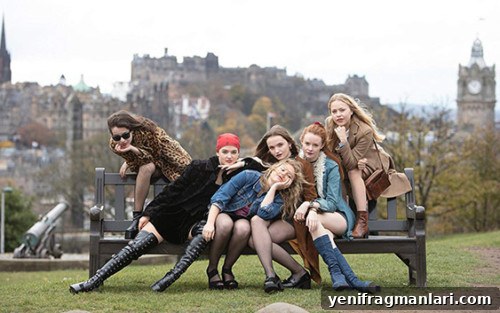
High school films about teenage girls can sometimes feel familiar: rival cliques, awkward first experiences, and nights out that promise transformation. Michael Caton-Jones’s Our Ladies, adapted from Alan Warner’s novel The Sopranos, revisits these tropes but does so with a brash, joyful energy that makes the film feel fresh. Set in 1996 Scotland, this teen comedy-drama centers on a tight-knit group of Catholic schoolgirls who head to Edinburgh for a choral competition—and for an afternoon that becomes a raucous rite of passage.
The ensemble cast gives the film its heart. Abigail Lawrie’s Finnoula is the intellectual, hungry for escape from the limited prospects her small town offers. Sally Messham’s Manda provides sharp, comedic commentary with a blunt honesty that lands consistently. Marli Siu’s Kylah is the musical star—her vocal gifts clash intriguingly with a punkish attitude. Rona Morison’s Chell channels a more reckless streak, coping with loss and attention from boys, while Tallulah Greive’s Orla operates as the quietly magnetic center: recovering from leukaemia, she’s determined to grasp the experiences she missed and to live without regret.
Kate Dickie steals scenes as the tightly wound nun nicknamed ‘Sister Condom,’ a watchful authority figure who tries—and largely fails—to keep the girls in line. The contrast between her stern presence and the students’ impatient appetite for freedom fuels much of the film’s comedy and conflict. The girls’ trip to Edinburgh is a plot device that allows Caton-Jones to explore both youthful rebellion and the bittersweet realities that underlie it.
Comparisons to Lisa McGee’s Derry Girls are inevitable and not unfounded: both works share an affection for 1990s Celtic youth culture, strong regional accents, and vividly drawn female friendships. Yet Our Ladies retains a distinct identity rooted in Warner’s original novel and its stage adaptation. The film captures a uniquely Scottish nostalgia and a rowdy, unapologetic humor that feels specific to its setting and characters.
The humor is relentless, often shockingly candid about adolescent desire. Caton-Jones and his cast commit to jokes that range from the crude to the absurd—moments such as an inverted penis gag or an over-the-top rosary routine sit alongside more tender sequences. While some of the material flirts with discomfort, the film’s most important achievement is granting these young women agency: their lust, curiosity, and messiness are portrayed without moralizing, lending the story a liberating, celebratory tone.
Beneath the laughter, Our Ladies carries a darker undercurrent. The girls’ rebellious behavior often reads as a reaction to limited futures and generational patterns—pregnancy, constrained opportunity, and the social pressures of working-class life are recurring concerns. Issues such as class divisions, access to abortion, and questions about sexual identity are woven into the narrative in ways that allow comedy and drama to amplify each other rather than compete. The film’s ability to move seamlessly between uproarious set pieces and quieter, emotionally resonant moments is one of its strengths.
Technically, the film benefits from a lively soundtrack and confident pacing that mirrors the girls’ frenetic energy. Caton-Jones’s direction keeps the story brisk while allowing individual performances to breathe. The ensemble chemistry is convincing; you can feel why these characters cling to one another, especially when the future feels uncertain.
Ultimately, Our Ladies is a vivid, entertaining portrait of adolescence—one that understands how rowdy humor and raw emotion can coexist. It’s the kind of film that might have felt like a companion for a confused, excitable teen: funny, messy, empathetic, and at times painfully honest. By the end, you’re reluctant to say goodbye to these characters, wishing the night—and the film—could last a little longer.
22/24