
The Prodigy (2019)
Director: Nicholas McCarthy
Screenwriter: Jeff Buhler
Starring: Taylor Schilling, Jackson Robert Scott, Peter Mooney
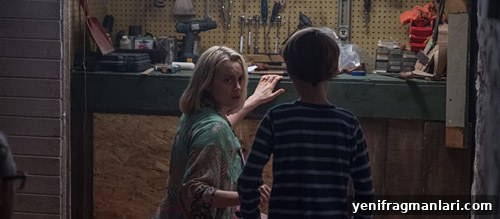
The horror genre has long relied on the unsettling image of a child who is not what they seem, and Nicholas McCarthy’s The Prodigy follows that tradition with a contemporary, character-driven take. This American-Canadian thriller centers on Miles (Jackson Robert Scott), a gifted young boy whose increasingly strange and violent behavior forces his mother Sarah (Taylor Schilling) to confront the terrifying possibility that something sinister is taking hold of her son.
At first, Miles appears to be an exceptional child—bright, curious and enrolled in special programs for gifted students. But his erratic actions, sleep disturbances and sudden aggression alarm Sarah. As she seeks help from psychologists and specialists, the explanations offered strain credibility, and the film gradually pivots from a domestic drama into a more conventional possession story. The tension builds slowly, relying on small, unnerving moments rather than constant shock tactics, and culminates in acts of violence that change the family forever.
The possession sub-genre is crowded with classics and well-known entries—titles like The Exorcist, The Possession, The Conjuring and Insidious immediately come to mind—so standing out requires strong mood, clear vision and compelling performances. McCarthy, who previously directed films such as The Pact and At the Devil’s Door, leans into atmosphere and psychological dread rather than relying on star power. Taylor Schilling provides the emotional center of the film, giving a grounded, sympathetic performance as a mother slowly unmoored by fear and guilt. Her portrayal strengthens the film’s emotional stakes and sells the unbearable weight of a parent who must choose between protecting her child and protecting others.
Jackson Robert Scott is effective as Miles, projecting both childhood vulnerability and an uncanny, ambiguous menace. The chemistry between Scott and Schilling helps make the central relationship believable while allowing the audience to accept the horrifying possibility that something else is at work inside the boy. Peter Mooney plays the estranged father, offering the skeptical outsider’s view that mirrors the audience’s doubts and concerns; his role is functional and essential as a viewpoint character, even if it’s less emotionally exposed than the lead performance.
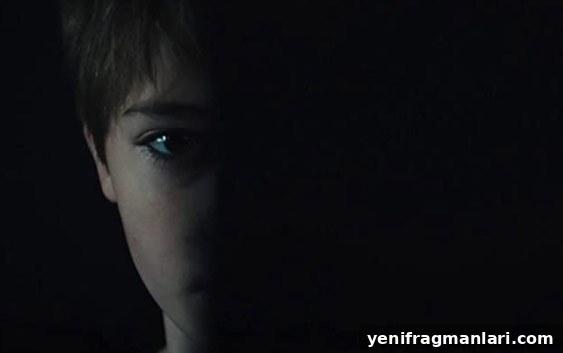
Visually, The Prodigy is notable for its cinematography. The camera frequently isolates parts of Miles’ face or uses shadow to split his visage, suggesting an inner division between the child and whatever inhabits him. One striking sequence shows Miles in his bedroom with an unnaturally elongated shadow that hints at a presence larger than himself. As the story progresses, the palette steadily darkens, and later scenes are deliberately immersed in near-blackness to heighten the sense of dread and the unknown.
Sound and score play key roles in amplifying the film’s mood. The audio design pairs Miles’ innocent, youthful voice with lower, ominous tones, creating an unsettling contrast that reinforces the film’s central conceit. While some of the sound cues are familiar to horror fans, they are used effectively to escalate tension and underscore key emotional beats.
Where The Prodigy falters is in originality and depth. The film adheres closely to possession tropes and does not fully interrogate its peripheral characters, leaving some narrative threads underdeveloped. Certain shocking scenes deliver immediate impact but contribute little to character development or broader thematic exploration. As a result, the film is compelling and polished but rarely revolutionary; it crafts an eerie atmosphere more reliably than it innovates within the genre.
Commercially, the film performed solidly, earning approximately $21 million worldwide—about three times its production budget—making it McCarthy’s most successful box office effort to date. For viewers drawn to psychological family horror and slow-burning tension, The Prodigy offers a satisfying experience anchored by strong performances and confident technical work. If you expect relentless terror or a wholly original twist on the possessed-child story, you may find it less daring than other entries in the genre. Still, for those seeking a moody, well-acted thriller about a mother’s struggle to save her son from an unseen darkness, the film delivers enough to satisfy.
15/24