The Cabin in the Woods (2011)
Director: Drew Goddard
Screenwriters: Joss Whedon, Drew Goddard
Starring: Kristen Connolly, Chris Hemsworth, Anna Hutchinson, Fran Kranz, Jesse Williams, Richard Jenkins, Bradley Whitford
The Cabin in the Woods, written by longtime collaborators Drew Goddard and Joss Whedon and directed by Goddard, combines broad genre influences into a clever, meta horror-comedy. On release it felt fresh: an unsettling mix of cabin-in-the-woods slasher tropes and reality-bending surveillance drama. Over the years it has inspired other self-aware horror works and earned a loyal cult following. A decade after its release, the film still entertains while revealing both its strengths and limitations.
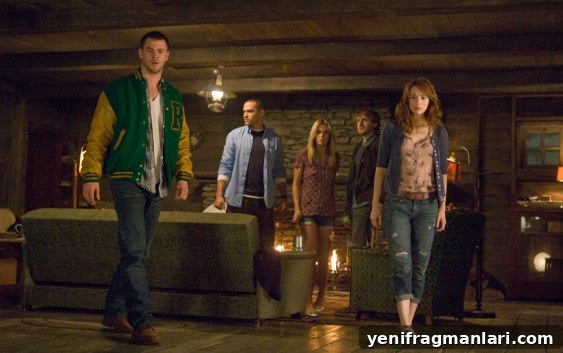
At its core the plot follows five college friends who travel to a remote cabin for a weekend getaway — a familiar setup in horror cinema. Unknown to them, their actions are being closely monitored and manipulated by an underground organization that engineers their mistakes and steers events toward deadly outcomes. The film plays with this premise to expose and satirize predictable horror conventions, especially the recurring clichés of 1970s and 1980s slashers.
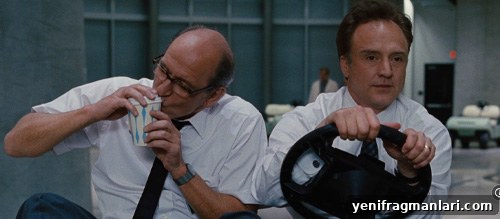
Richard Jenkins and Bradley Whitford form a dryly comic duo as senior technicians in the organization that stages these manufactured terror scenarios. Their workplace scenes reveal a meticulous, bureaucratic system devoted to producing ritualized horror for reasons gradually revealed as the film progresses. The contrast between the sterile control room and the chaotic cabin is one of the film’s most effective dramatic and comedic beats.
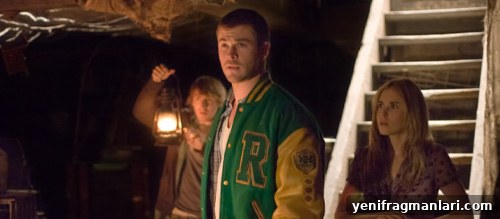
The group of young adults embodies recognizable archetypes—jock, brainy outsider, flirtatious girlfriend—but the screenplay gives each character subtle twists. Chris Hemsworth’s Curt and Anna Hutchison’s Jules are more than shallow stereotypes, while Kristen Connolly’s Dana anchors the story as the compassionate, empathetic lead. Jesse Williams plays Holden, an intelligent and sensitive figure in an athletic body. Fran Kranz, however, steals many scenes as Marty, a paranoid, drug-fueled character whose eccentric logic and memorable prop (a spring-loaded metal bong) deliver some of the film’s best comic moments and surprisingly useful resourcefulness.
Drew Goddard’s direction makes a confident debut, but Joss Whedon’s influence is unmistakable in the script’s rapid-fire banter and witty one-liners. That voice gives the film much of its energetic charm, though contemporary audiences aware of Whedon’s controversies may find that knowledge affects their reception of the material. The dialogue often leans toward showy cleverness, but it keeps scenes brisk and entertaining.
The film’s most inventive concept is the bureaucratic mechanism that intentionally nudges intelligent, well-rounded protagonists into the foolish decisions expected of horror victims. That device reframes many familiar moments: scenes that would otherwise feel formulaic now read as engineered, exposing how genre conventions manipulate character behavior. This meta approach, reminiscent of works that observe and control a subject’s life, is one of the film’s enduring strengths.
At times the screenplay undercuts its own critique by reproducing the very sexist or problematic scenes it aims to lampoon. The film calls attention to those elements, but still stages them in ways that some viewers may find uncomfortable. The tension between satire and replication occasionally undermines the critique, even if the intent is to highlight and subvert genre flaws.
The final act expands dramatically, shifting from the intimate and clever to full-scale speculative spectacle. The filmmakers unleash an imaginative visual sequence when the control room’s containment systems break and a parade of horrors is released. While inventive and memorable—especially the moment when containment lifts open—this escalation strains the film’s budget and tonal consistency. The ending’s big reveal and subsequent developments feel less grounded than the earlier, more controlled beats, and a high-profile cameo at the close sits awkwardly with the film’s established tone.
The movie’s release was delayed by studio difficulties, and that pause arguably helped its impact: the lean 95-minute runtime keeps the film focused and free of excess. Had there been a larger budget or studio pressure to expand the concept, it’s likely the film would have been more elaborate but not necessarily better. Economical pacing and tight structure are among its virtues.
If the creators had delivered a finale that matched the wit, inventiveness, and tonal control of the opening two acts, The Cabin in the Woods might stand as a definitive example of postmodern horror. Even so, its blend of laughs, scares, and genre-savvy commentary still makes it a highly enjoyable film. Self-aware horror has evolved since its release, but this title remains an influential and entertaining entry in that lineage.
17/24