
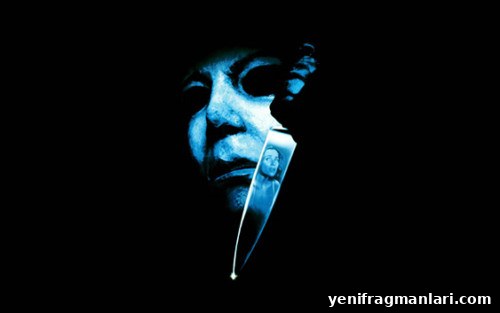
Halloween is one of the most enduring franchises in horror cinema, and Michael Myers’ mask remains instantly recognisable. With Blumhouse revitalising the series in 2018 and following quickly with sequels in 2021 and 2022, this updated ranking revisits the franchise to include the newest entries.
In this edition of Ranked from The Film Magazine, we rank all 13 Halloween films from worst to best, considering quality, artistic merit, cultural impact, and popular consensus. This is: The ‘Halloween’ Franchise Ranked.
13. Halloween Ends (2022)
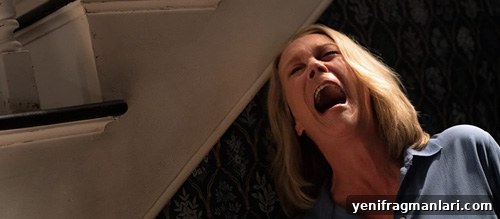
Review summary: The most recent instalment in the franchise is also its weakest. Choosing to center its story on a new character rather than Michael Myers, Halloween Ends follows a troubled young man who becomes Haddonfield’s next menace while an aged and diminished Myers plays a peripheral role. The film’s attempts at psychological analysis strip the mythic terror from the series and replace it with thin, expositional drama.
The horror is sparse, pacing inconsistent, and the climactic payoff disappointingly brief. Attempts to make the movie feel “elevated” compromise what made the original scary: inexplicable, senseless evil. In trying to explain and rationalise that evil, the film loses the essential dread that defines Michael Myers. Overall, a misfire that wears the mask but not the menace.
12. Halloween: Resurrection (2002)
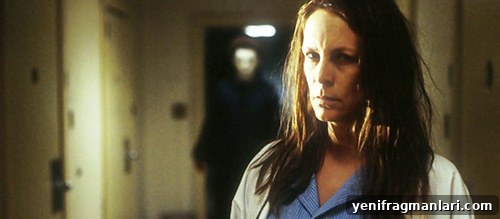
This instalment places Michael back in the Myers house while a reality show streams teenagers attempting to survive the night. The found-footage/live-stream angle could have offered fresh tension, but the execution fails to deliver scares or emotional stakes. Characters are forgettable, the plot is wafer-thin, and the film’s geography and logic are inconsistent.
Jamie Lee Curtis makes only a brief appearance, and beyond the novelty of Michael on a killing spree, the movie offers little to justify its existence. It effectively buried this line of sequels and pushed the franchise back to the drawing board.
11. Rob Zombie’s Halloween II (2009)
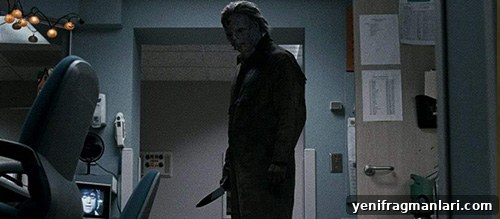
Rob Zombie’s sequel continues his reimagined take on the series, expanding character backstory and vision-driven sequences. Visually striking in places, the film nonetheless suffers from poor dialogue direction and uneven storytelling. Michael’s portrayal is inconsistent—often unmasked—and key characters lose the traits that made them compelling in earlier films.
While the cinematography yields haunting images, shaky action scenes and unconvincing character arcs prevent the movie from rising above a fan-film level, disappointing given the director’s reputation and resources.
10. Halloween Kills (2021)
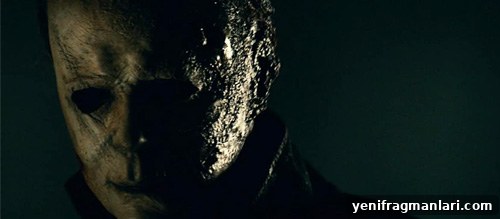
This follow-up to the 2018 revival relies heavily on visceral kills and crowd-driven violence while neglecting coherent plotting and character development. Michael escapes and embarks on a relentless rampage, but the film substitutes genuine suspense for repeated, sensational set pieces. Attempts at social commentary and the inclusion of returning characters feel haphazard and underdeveloped, culminating in an unsatisfying conclusion.
9. Halloween 5: The Revenge of Michael Myers (1989)
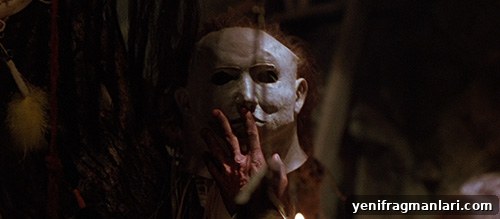
Part of the quartet that followed the original films, this entry continues Jamie’s psychic connection to Michael and introduces a cult mythology. The movie lacks narrative focus—uncertain about who its protagonist is and how far to commit to the Curse of Thorn—and suffers from an unflattering mask design that undermines Michael’s menace.
There are a few effective moments and strong performances from young Danielle Harris and Donald Pleasance, but overall the film is forgettable and inconsistent.
8. Halloween 6: The Curse of Michael Myers (1995)
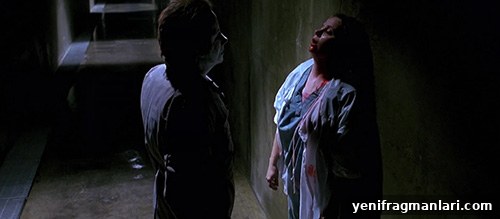
This entry attempts to tie together the Thorn mythology and explain Michael’s supernatural resilience. It improves on its predecessor with a more focused effort to conclude the arc, offers decent kills and better body language for Myers, and includes a credible young performance from Paul Rudd in an early role. However, the cult explanation and pagan elements detract from the simplicity that made Michael frightening—a remorseless force without origin.
7. Halloween 4: The Return of Michael Myers (1988)
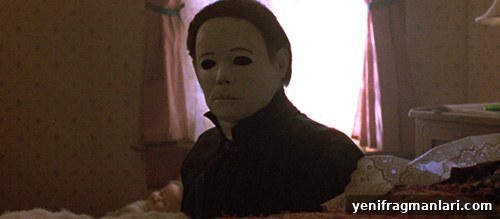
Michael awakens from a coma to find Laurie gone and a new target in her daughter Jamie. While the film delivers some effective chase and gore sequences and strong turns from Donald Pleasance and Danielle Harris, it struggles with an awkward mask design and a forgettable central plot. It’s campy and watchable but not essential.
6. Rob Zombie’s Halloween (2007)
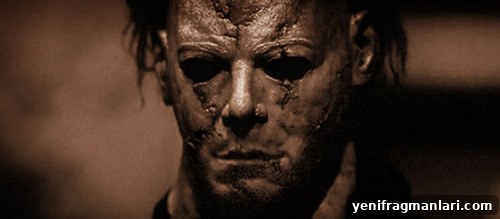
Rob Zombie splits his film between a detailed origin story for Michael and a brutal, unflinching murder spree. The expanded backstory removes the enigmatic quality of the original villain, and the dialogue scenes can feel clumsy, but the film’s visual language is powerful. The relentless violence and disturbing set pieces make this remake one of the strongest modern reinterpretations of a classic horror film—polarising, intense, and visually accomplished.
5. Halloween III: Season of the Witch (1982)
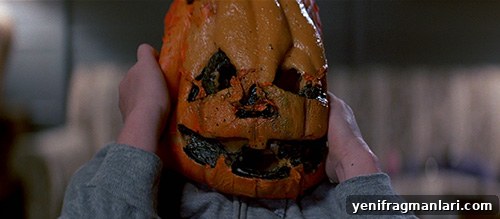
An oddball entry that abandons Michael Myers entirely and embraces an anthology approach, this film follows a sinister toy manufacturer whose Halloween masks are linked to an ancient ritual. With a dark fantasy tone and apocalyptic stakes, Season of the Witch delivers memorable imagery—the Silver Shamrock commercial and a shocking pumpkin-head death remain standout moments. Its departure from slasher conventions divides fans, but as a standalone horror film it succeeds on atmosphere and concept.
4. Halloween H20: 20 Years Later (1998)
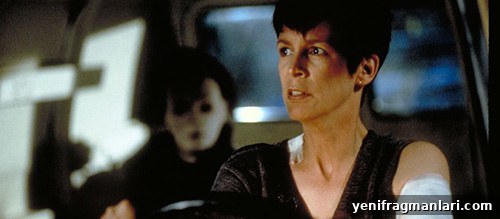
Discarding the sequels after Halloween 2, this entry finds Laurie Strode living in hiding and convinced Michael will return. Influenced by the post-Scream horror landscape, the film is cleaner, tighter, and more self-aware. Jamie Lee Curtis delivers a strong, haunted performance, and the final act—set in a school—provides effective scares and pacing. A polished, entertaining sequel that refreshed the franchise.
3. Halloween 2 (1981)
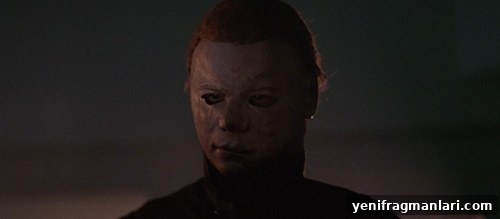
Picking up immediately after the original, Halloween 2 increases the body count while staying faithful to the tone of the first film. With effective scares, strong direction, and memorable set pieces, it refines the slasher template. Michael’s movement is slower and different from the original, but the film remains a well-constructed, worthy follow-up that demonstrates how sequels should be handled.
2. Halloween (2018)
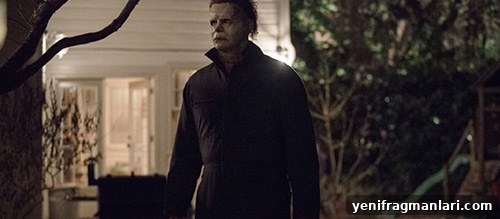
Set 40 years after the original, the 2018 sequel reunites Laurie Strode with Michael Myers while ignoring intervening sequels. Jamie Lee Curtis returns to a role defined by trauma and preparation, and the film updates the franchise with polished cinematography, purposeful references to the original, and emotionally grounded performances. It blends old-school dread with modern sensibilities and reestablishes the series as relevant to contemporary audiences.
1. Halloween (1978)
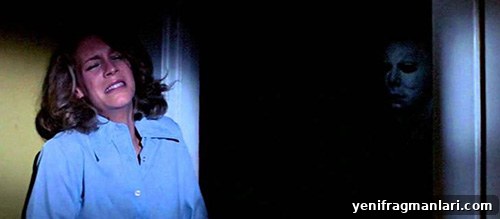
It’s no surprise the original tops this list. John Carpenter’s 1978 classic is a foundational work of the slasher genre and remains chilling decades later. Introducing Michael Myers as an inexplicable force of evil, the film transforms quiet suburbia into a landscape of terror. The film’s direction, iconic score, economical storytelling, and unforgettable images—from the steady-cam opening to the final breathy montage—combine into a masterpiece that still influences horror filmmakers today.
Article updated 19th October 2022 (Originally 22nd October 2018).
You can support the author by following him on social media at @KJudgeMental and by checking out his other horror-writing projects.