
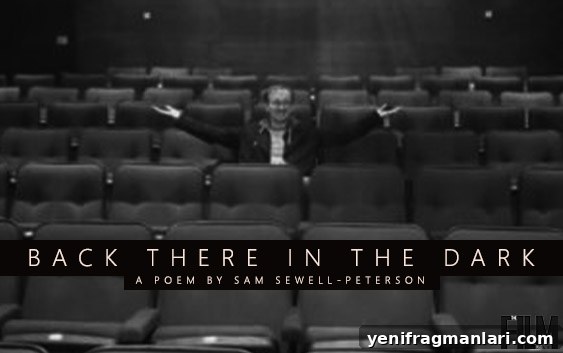

Back There in the Dark
You’ve been quiet for too long — the cinema, that temple of dreams and imagination, has sat with empty seats and deserted aisles. For many of us the big screen is not merely a place to watch a story unfold; it is a ritual, a communal act of wonder. We long for the return of that shared experience.
There is something intimate about the small noises that announce the start of a film: the rustle of snack packets, the shuffle of people settling into their seats. These mundane sounds form the soundtrack to a communal ritual. In a dark auditorium, strangers become a temporary village, bound together by the single act of watching. Even a fidgety, noisy crowd is a reminder of our fragile, human togetherness.
The previews are a concession we accept gladly. They tease and tempt — will you see one film next month or five? A trailer is an invitation: a promise of new worlds, new faces, and fresh perspectives. We tolerate the paid ads with patience, though we could do without the two-minute spots for cars we will never drive. What matters is the anticipation, the collective leaning forward as the lights dim.
When the lights go out, the theater breathes with a hush. For a moment the universe seems to pause. The darkness wraps around everyone and everything; it is both a curtain and a revelation. In that instant, the screen becomes a portal. Capture that moment — the silence, the expectancy — and it feels almost holy, like a perfectly held breath before something immense is revealed.
The screen holds a particular kind of magic: spellbinding, time-stopping, luminous. In those hours the outside world recedes. Our connection to what’s beyond the auditorium is reduced to a vague awareness of the person beside us, a silhouette in the dim. That distance is part of the appeal. It allows us to surrender ourselves to the story without the distractions of daily life.
On screen, heroes clash and families argue; the scale shifts from cramped apartments to vast alien landscapes with ease. Regardless of spectacle, at the heart of every tale is a question of identity: what it means to be human, and how we relate to one another. Grand effects or subtle drama — both aim to reflect and interrogate our lives.
Time passes differently in the dark. An hour and a half can pass in a blink, two or three hours can feel like a single breath. Then, just as suddenly, the spell breaks. You readjust to the light, step out from the shadow, and realize you are smiling or, sometimes, frowning. You are dazed, moved, or simply grateful for the escape. Even a bad film is not a total loss; the act of going, of being part of that social ritual, matters.
The conversation afterward is part of the event. In the foyer, still warm from the screening, viewers spill out to debate, to gush, to disagree. “That wasn’t as good as I expected,” someone admits. “What were you watching? I loved it,” replies another. These exchanges — breathless, earnest, sometimes contradictory — are the afterglow. They extend the film beyond its runtime and keep the experience alive.
Eventually we drift home, each carrying a piece of the story left behind in the dark. Part of us remains there, wanting to return, already pining for the next time we can sit in that shared darkness and let a screen draw us into someone else’s life. The theater is a place where we learn, feel, argue, and heal together.
So gather the film faithful and head through those doors. Sit down, switch off your phone, and let the lights fall. Spread the word that cinemas are back, not just as venues for entertainment, but as spaces for connection, reflection, and collective joy. I’m moved beyond words — teary with the simple, profound pleasure of being together to watch a story unfold.
By Sam Sewell-Peterson