
Firestarter (2022)
Director: Keith Thomas
Screenwriter: Scott Teems
Starring: Zac Efron, Ryan Kiera Armstrong, Sydney Lemmon, Michael Greyeyes, Gloria Reuben, Kurtwood Smith, John Beasley
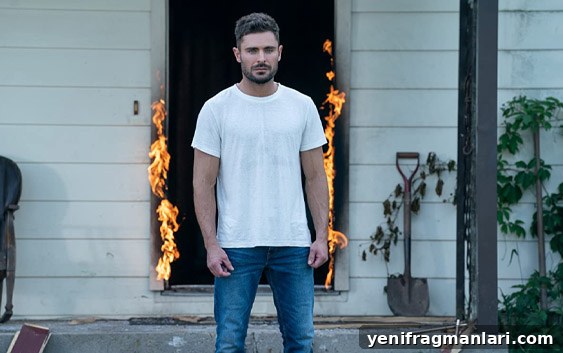
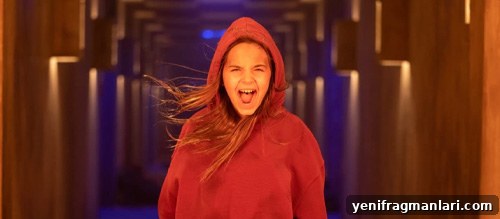
Recent years have seen a steady stream of adaptations and reimaginings of Stephen King’s work, along with numerous new projects from production companies known for franchising and reworking existing properties. Some of these efforts succeed at bringing fresh perspective or entertainment value to familiar material. Unfortunately, this 2022 adaptation of Firestarter is not one of them. What plays out on screen is a ninety-minute exercise that struggles to maintain momentum, clarity, or emotional depth as it follows Charlie McGee (Ryan Kiera Armstrong), a child with terrifying pyrokinetic abilities, pursued by a covert organization determined to capture and study her.
The film’s problems begin with a tone and style that never cohere. Keith Thomas’ direction often feels unfocused, failing to settle on a consistent visual or emotional language. The editing choices rarely allow scenes to breathe or build tension organically, and the cinematography leans toward murky, half-lit compositions that obscure important character beats and facial expressions rather than illuminating them. These technical shortcomings work against the cast, who are asked to carry scenes with thinly sketched motivations and dialogue that is blunt and overly literal. Even talented actors can’t fully overcome writing that lacks nuance and avoids subtle emotional truth.
This adaptation makes several notable changes from both Stephen King’s novel and the earlier 1984 film version. Rather than embracing the novel’s structural and thematic dualities—parent and child, ordinary life and extraordinary power, institutional control versus personal freedom—the remake attempts to reframe the story into a compact three-act arc. That restructuring strips away some of the original’s slow-burn tension and psychological complexity and replaces it with a more conventional, less compelling narrative flow.
Character choices in the script are problematic. Figures who were unsettling and morally ambiguous in earlier iterations are given softer, more sympathetic backstories here, shifting them toward anti-hero territory. These changes culminate in a finale that tries to reconcile prior violence and questionable actions with a cleansed resolution. The result is confusing at best and troubling at worst, because it undermines accountability and blunts the darker ethical questions that originally gave the story its edge.
Beyond structural and character concerns, the film repeatedly resorts to manufactured shocks and abrupt jolts instead of building sustained dread. This is a story that could have benefited from a quieter, more patient approach—one that trusts the audience to feel unease without constant jolting—but the remake opts for surface-level scares that rarely land. Emotional beats are stated rather than earned, and relationships that should feel lived-in remain thinly developed. The father-daughter bond that anchors much of the tragedy and urgency in the source material is present but underexplored, making core dramatic moments less impactful than they should be.
There are moments of competent craft—occasional strong performances, glimpses of thoughtful production design, and sequences that suggest the filmmakers understood the source material’s potential—but these moments feel isolated rather than woven into a satisfying whole. Instead of building a cohesive vision, the film oscillates between genre shorthand and diluted sentiment, ultimately honoring neither the original novel’s unsettling atmosphere nor the potential for a compelling, modern horror-thriller.
For viewers familiar with Stephen King’s work or the earlier adaptation, this version of Firestarter will likely feel like a missed opportunity. It trims and reshapes elements in ways that remove much of the story’s moral weight and psychological intensity, replacing them with anodyne plotting and uneven pacing. As an introduction to the character of Charlie McGee for new audiences, it falls short of conveying the complexity and danger that make her story memorable.
Score: 3/24