
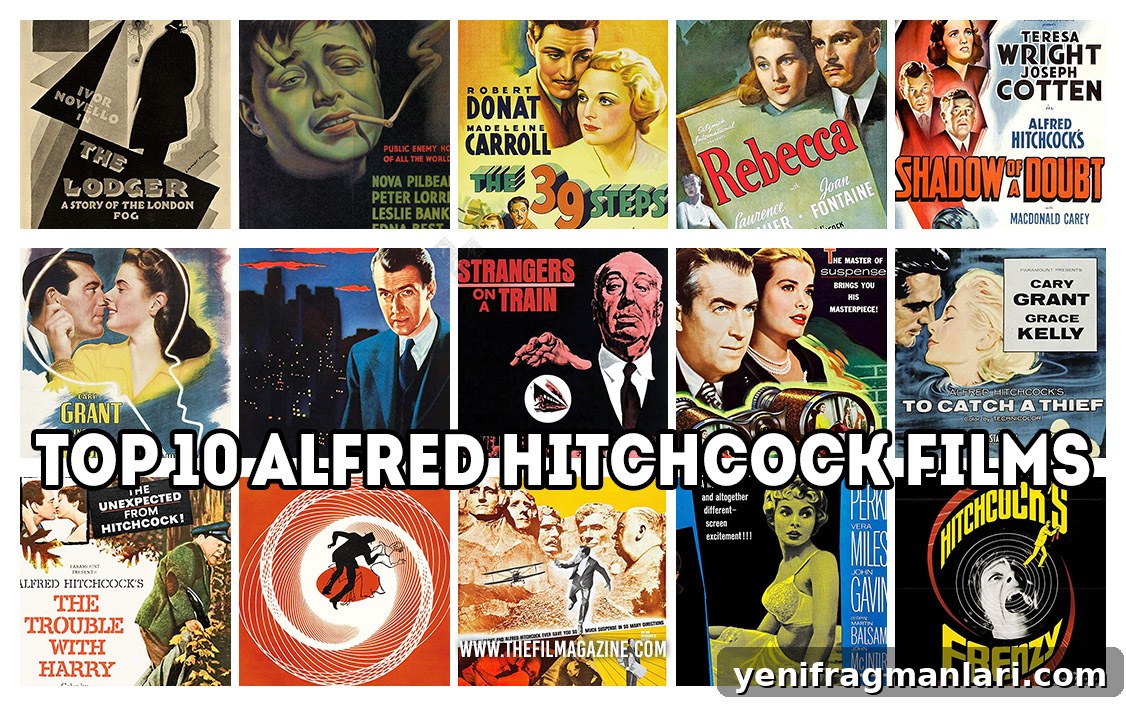
Alfred Hitchcock is widely regarded as one of the most famous and influential film directors of the 20th century. Known as the “Master of Suspense,” he created some of cinema’s most enduring images and plots, appeared in cameo roles across nearly all his films, and personally promoted his work on radio and television. Born in Essex, Hitchcock began his career in the UK before relocating to Hollywood, where over more than six decades he directed more than fifty feature films. His work shaped narrative techniques, visual storytelling and the thriller genre in ways that still resonate with filmmakers and audiences today.
Tell us your favourite Hitchcock films in the comments below.
10. Vertigo (1958)
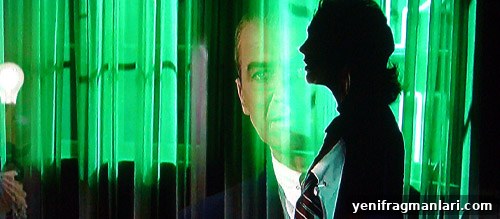
An ex-police detective is hired to follow a friend’s wife and document her strange behaviour, only to see his grip on reality unravel. Technically ambitious and thematically complex, Vertigo blends striking visuals with a mood of obsession and unease. It is often praised as a high point of Hitchcock’s artistry, though modern viewers frequently critique its portrayal of women and the power dynamics at play. The film remains essential viewing for its craft and its disturbing emotional intensity.
9. Strangers on a Train (1951)
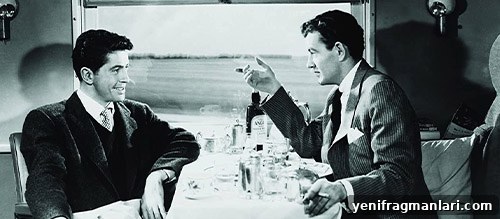
Two strangers meet on a train and hatch a chilling pact: each will commit a murder for the other, eliminating motive and suspicion. Hitchcock’s film explores how a clever scheme collapses when one partner becomes a sociopath. Robert Walker’s performance as the charmingly dangerous Bruno stands out, and the movie showcases striking noir lighting and a memorable, chaotic finale at a carnival carousel. The tension is direct and relentless, built around character psychology and moral unraveling.
8. The Lodger: A Story of the London Fog (1927)
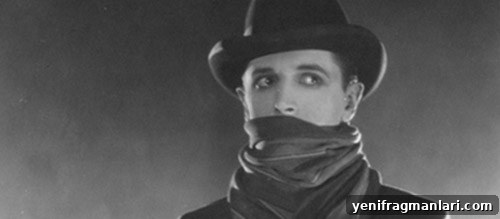
Hitchcock’s silent-era breakthrough follows a London family who suspect their new upstairs lodger of being a serial killer preying on blonde women. Many of the director’s signature elements—suspicion, blondes as narrative catalysts, and shadowy atmosphere—are already present and fully formed. Despite the silence and stylistic limits of 1920s cinema, The Lodger uses inventive visual techniques and careful editing hints that point toward Hitchcock’s later mastery of visual storytelling.
7. North by Northwest (1959)
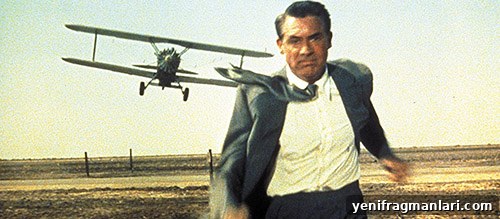
An advertising executive is mistaken for a spy and chased across the country by mysterious operatives. North by Northwest is Hitchcock at his most grandly entertaining: dazzling set pieces (a crop-duster attack and a Mount Rushmore confrontation), persuasive star turns from Cary Grant, Eva Marie Saint and James Mason, and a breezy, suspenseful pace. The film also plays with the idea of the MacGuffin—plot details that drive action while remaining intentionally vague—letting the thrills take center stage.
6. Shadow of a Doubt (1943)
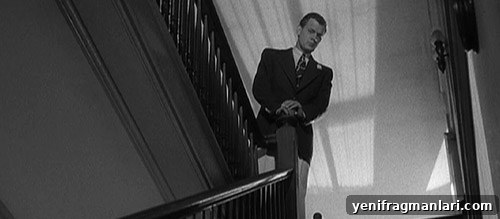
When a young woman grows suspicious that her charming uncle may be a murderer of wealthy widows, the comfortable veneer of small-town life begins to crack. Considered by Hitchcock as one of his personal favourites, Shadow of a Doubt mixes creeping dread, black humour and carefully layered suspense. Joseph Cotten gives a memorably unsettling performance as the uncle, and the film’s use of shadow and suggestion creates a potent atmosphere of unease.
5. The Trouble with Harry (1955)
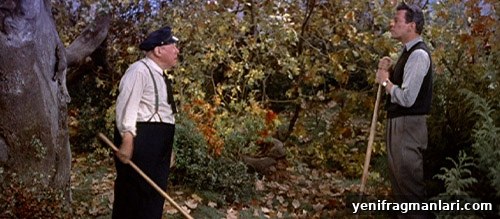
In this dark comedy, a dead man is discovered in the woods and several locals, for various reasons, conspire to conceal his body—resulting in a farcical series of burials and exhumations. The Trouble with Harry is Hitchcock’s lightest film, full of gallows humour, sharp dialogue and situational comedy. Technicolor cinematography captures the New England setting beautifully, and the film introduced Shirley MacLaine to audiences in her screen debut.
4. Rebecca (1940)
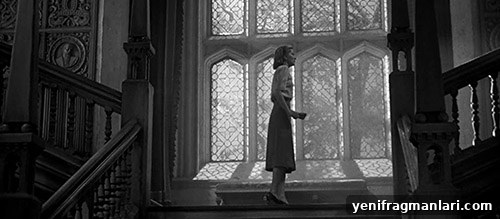
After a whirlwind courtship, a young woman becomes the second Mrs de Winter and is taken to her husband’s imposing Cornwall estate, where the shadow of his first wife still haunts every room. Rebecca is a gothic, atmospheric drama that gave Hitchcock his first major Hollywood success and remains his only film to receive the Academy Award for Best Picture. Joan Fontaine is quietly compelling as the timid new bride, while Judith Anderson’s Mrs Danvers is a chilling presence who dominates the house.
3. Rope (1948)
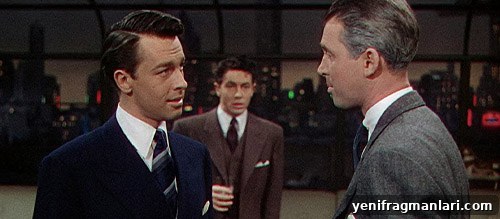
Two young men murder a friend and conceal his body in a chest, then hold a dinner party around the hidden corpse. Adapted from a stage play, Rope is a tense chamber piece that experiments with long takes and daring camera movement to create a feeling of continuous action. The film engages the audience in moral complicity as the hosts play intellectual games with their guests, while James Stewart’s presence unravels their façade and exposes the crime.
2. Psycho (1960)
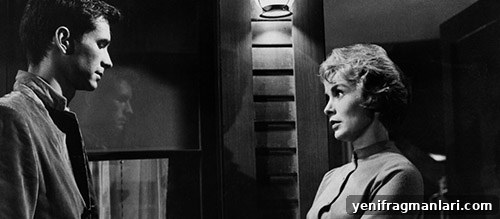
On the run, a young woman ends up at the isolated Bates Motel, run by Norman Bates and his imposing mother. Psycho shocked audiences with its bold storytelling choices—most notably the sudden, brutal killing in the shower that subverted expectations by eliminating what seemed to be the lead character. Anthony Perkins delivers a nuanced and unforgettable performance as Norman Bates, and the film’s psychological horror, tight pacing and memorable score secured its place as a landmark thriller.
1. Rear Window (1954)
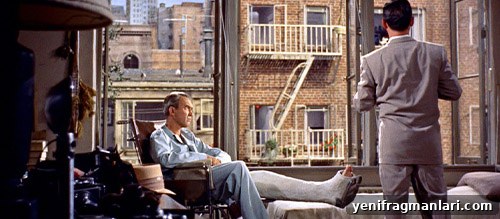
Confined to a wheelchair with a broken leg, a professional photographer becomes obsessed with watching his neighbours and believes he has witnessed a murder. Rear Window is often cited as Hitchcock’s perfect thriller: contained, elegant and rich with subtext. The film constructs a single, brilliantly realized set that frames a first-rate mystery while exploring voyeurism, privacy and the limits of perception. James Stewart gives one of his finest performances as a man whose curiosity both endangers and ultimately saves him.
Alfred Hitchcock’s films remain essential to the study of suspense, visual storytelling and mainstream cinema. His influence stretches across generations of filmmakers and genres. Which Hitchcock film is your favourite? Share your choice and why it resonates with you in the comments.