
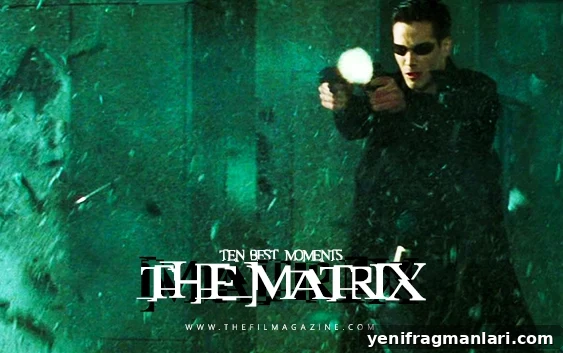
Nobody was fully prepared in early 1999 for the cultural impact of The Matrix. In discussions about blockbuster cinema, you can often hear people divide history into the era before The Matrix and the era after it. The Wachowskis synthesized cyberpunk, kung-fu cinema, anime aesthetics, and philosophical references to deliver a film that remains influential, visually daring, and for many viewers, genuinely revolutionary.
Drawing inspiration from sources as varied as Neuromancer, Simulacra and Simulation, and Ghost in the Shell, two relatively unknown filmmakers assembled an exceptional cast and honed their script into a taut, imaginative cinematic experience. Starring Keanu Reeves, Laurence Fishburne, Carrie-Anne Moss, Hugo Weaving, Joe Pantoliano, Gloria Foster, and others, The Matrix balances intimate character moments with sweeping mythic ideas. It blends pop culture with Platonic philosophy and left an unmistakable imprint on popular culture.
More than twenty-five years after its release, The Matrix still dazzles: best-in-class stunts, groundbreaking special effects, and lines that have become part of the cultural lexicon. Its moments may sometimes feel familiar from decades of references and parodies, yet they retain their power even when anticipated. In this Movie List, we revisit the ten most significant, thrilling, and enduring moments from one of the most important science-fiction films to emerge from Hollywood.
10. Sentinels
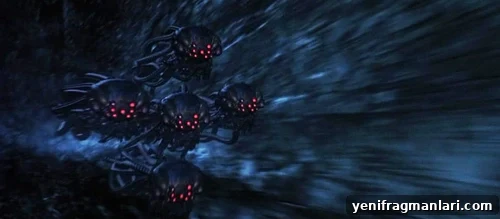
Despite the film’s focus on machines and artificial intelligence, the original Matrix rarely shows the machines face-to-face. Midway through the movie we finally see the sentinels: squid-like, metallic creatures with many probing appendages and unblinking sensors. They hunt the Nebuchadnezzar and force Morpheus’s crew into a tense, silent evasion in the tunnels beneath the ruined city.
This sequence works because it strips the film down to pure suspense. The crew powers down, counts breathless seconds, and waits for the mechanical predator to pass. It sets up the dual threat that runs throughout the trilogy—danger both inside the simulated world and in the devastated reality outside—while delivering genuine, claustrophobic dread.
9. Spoons and the Oracle
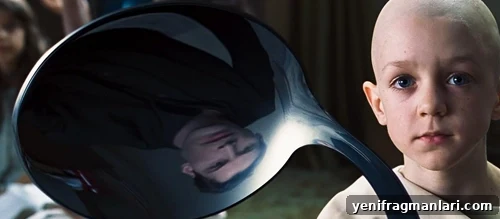
“There is no spoon.” The line is now often repeated in jest, but it originally introduces the film’s most comforting and enigmatic character: the Oracle. She is an ordinary-seeming woman who bakes cookies and offers cryptic guidance that nudges Neo along his path. The spoon moment crystallizes one of the movie’s central ideas: perception shapes reality.
The Oracle’s presence provides warmth and gentle humor in a film that otherwise leans toward darkness and dread. Her small scenes carry emotional weight and philosophical implication; she dispenses insight without fully explaining it, restoring a touch of mystery to an increasingly mechanized world.
8. Kansas Going Bye-Bye
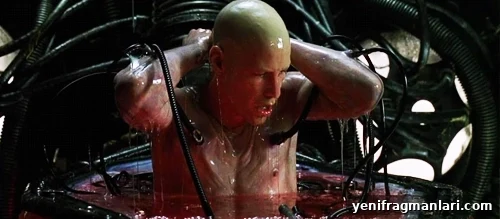
At long last the film shows us what the Matrix really is. The moment Neo wakes in a pod—coughing, covered in viscous fluid, and surrounded by rows of human bodies wired into machines—is a visceral, unforgettable reveal. The towering fields of pods and the bleak, lightning-streaked sky of the machine city deliver a shock of scale and horror.
This sequence functions like a cinematic version of leaving Plato’s cave: a sensory, disorienting passage from illusion to brutal reality. The editing and score emphasize awe and terror, so the scene lingers in the audience’s memory long after the credits roll.
7. Opening Chase
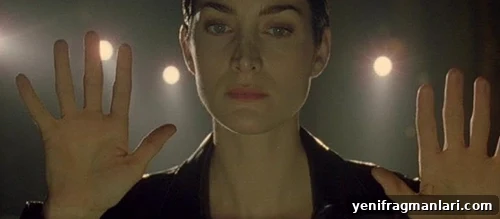
The film’s cold open immediately announces its hybrid identity: a high-octane chase between Trinity and police, punctuated by Agents who radiate cold menace. In minutes we see the aesthetic of the film, the martial arts influence, and a taste of the revolutionary bullet-time photography.
Trinity’s rooftop leap, the camera circling as time seems to bend, and her narrow escape in a demolished phone booth tell viewers that the rules here will be different. The sequence establishes the tone and stakes with economy and style.
6. The Desert of the Real
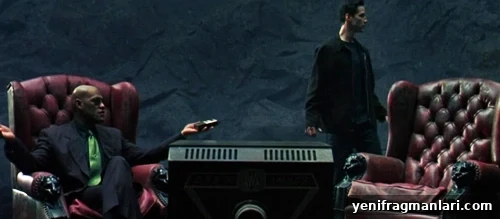
Jean Baudrillard’s phrase “the desert of the real” echoes throughout the film. Morpheus’s explanation of how machines have replaced human life and used humans as power sources blends documentary-like exposition with haunting imagery: a stripped-world wasteland that contrasts sharply with the simulated comforts of the Matrix.
The film’s visual language—television screens, fractured images, and the battery-like humans powering a fabricated dream—underscores the philosophical grounding of the story. This is where the movie most explicitly confronts the difference between simulation and reality.
5. “Morpheus Is Fighting Neo.”
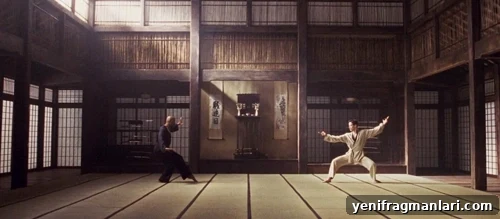
After Neo absorbs a martial arts program, he opens his eyes and declares, “I know kung-fu.” The resulting dojo fight with Morpheus is both playful and instructive. It demonstrates the malleability of rules inside the simulated environment and shows how training translates into agency within the Matrix.
The sequence mixes wire work, disciplined choreography, and a clear sense of fun—reminding viewers that the film’s philosophical questions coexist with pure cinematic entertainment.
4. Lobby Shootout
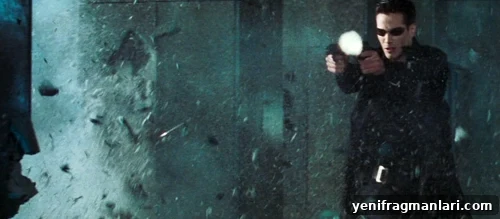
The lobby shootout is cinematic excess at its finest: slow-motion debris, acrobatic moves, and an almost balletic rain of gunfire. This sequence marks Neo’s emergence in the black coat and sunglasses and cements the partnership between Neo and Trinity as they storm through layers of opposition to reach the Agents holding Morpheus.
There’s no heavy exposition here—just a meticulously crafted action set piece that remains one of the most thrilling and influential shootouts in modern action cinema.
3. Subway Showdown
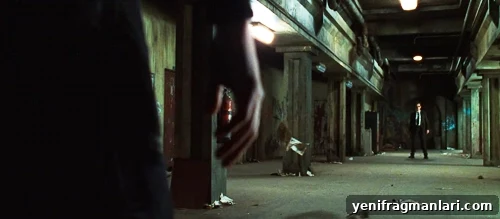
Neo’s climactic confrontation with Agent Smith in a grimy subway station is the film’s emotional and thematic payoff. With no immediate escape and sentinels closing in externally, Neo must confront the antagonist who once dominated his life inside the simulation. The fight transitions Neo from doubt to self-belief—he names himself for the first time and fights like a man who might be The One.
Packed with tension, inventive choreography, and a potent mix of danger and triumph, the subway duel ranks among the series’ most satisfying showdowns.
2. Two Pills
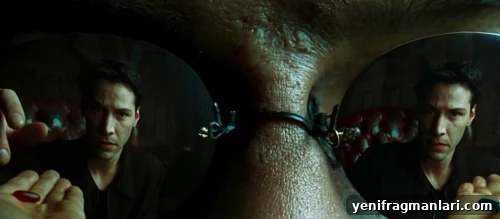
Few cinematic choices have become as culturally resonant as Neo’s decision between the red pill and the blue pill. Morpheus offers a stark fork: accept a comforting falsehood and forget everything, or face an unsettling truth that cannot be undone. The scene frames the film’s central moral question and provides one of its most enduring metaphors about truth, choice, and awakening.
The visual framing—rain, reflections, and the mirrored pills—reinforces the theme of perception versus reality and makes the moment both dramatic and philosophically charged.
1. Bullet Time
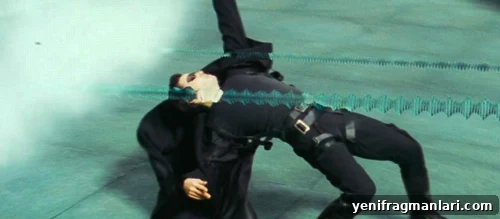
Bullet Time is the sequence that redefined action cinematography. On the rooftop rescue, Neo appears to defy the laws of physics as he leans back and twists while bullets stream past him in a near-360-degree frozen arc. That single visual invention—an array of still and moving cameras stitched into a fluid slow-motion effect—changed how action sequences could be shot and perceived.
Beyond its technical innovation, the rooftop scene signifies Neo’s transformation; he is on the verge of transcending ordinary limits. It remains an iconic moment that encapsulates the film’s fusion of style, philosophy, and spectacle.
The Matrix left an indelible mark on filmmaking, visual effects, and popular thought. Which moments do you think best define this modern classic? Share your thoughts and revisit the sequences that shaped a generation of cinema fans.