
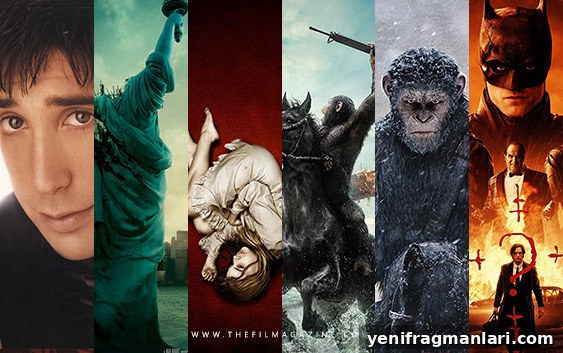
Over the past decade, Matt Reeves has become one of Hollywood’s most compelling directors. After beginning his career in television—co-creating the early hit Felicity with J.J. Abrams—Reeves transitioned into feature filmmaking and steadily built a reputation for intelligent, textured blockbusters. His films combine emotional depth with technical precision, earning him both audience trust and critical attention as a modern master of studio filmmaking.
A hallmark of Reeves’ work is his gift for constructing immersive cinematic worlds. Whether depicting a society of intelligent apes or the rain-slicked alleys of Gotham, Reeves uses striking visuals, purposeful camera movement, and meticulous production design to craft environments that feel lived-in and real. He frequently collaborates with top cinematographers and composers to create a complete sensory experience, which has helped place him alongside contemporary auteurs who can balance artistic risk with commercial reach.
Equally important to Reeves’ style is his focus on emotional authenticity. He draws nuanced performances from actors, revealing vulnerability and moral complexity even in non-human characters. Reeves often explores fraught relationships, leadership, loyalty, and the costs of vengeance, producing films that register as both visceral entertainment and emotionally resonant dramas.
This ranking examines Reeves’ varied filmography based on artistic merit, critical reception, and each film’s contribution to the director’s development. Below are the Matt Reeves films ranked, from early efforts to his most accomplished features.
6. The Pallbearer (1996)
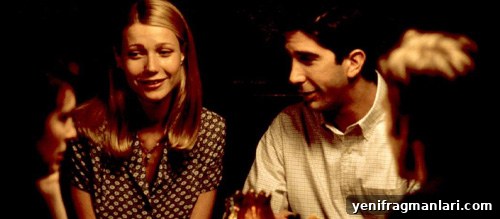
The Pallbearer introduces Tom Thompson (David Schwimmer), a socially awkward young man drawn into a funeral for a classmate he can’t remember. As he confronts grief, reconnects with his past, and searches for purpose, Tom discovers unexpected truths about himself and those around him.
Reeves’ debut is more assured than many first films. Teaming with cinematographer Robert Elswit, he creates visually detailed frames and a textured New York setting. The film borrows tonal elements from Mike Nichols and Woody Allen—mixing humor and melancholy, a compact runtime, and a neurotic lead. These influences reveal Reeves’ cinematic instincts and a clear passion for character-driven storytelling.
However, the script (co-written by Reeves) struggles to choose a direction. Torn between philosophical introspection and romantic comedy, the story never fully commits, leaving some plotlines underexplored. Despite its charm and occasional poignancy, The Pallbearer’s conflicting tones prevent it from rising higher in Reeves’ filmography.
5. Let Me In (2010)

Let Me In follows Owen, a lonely 12-year-old who forms a bond with Abby, a mysterious new neighbor who is revealed to be a vampire. As their friendship deepens, Owen faces the moral and physical dangers of crossing into Abby’s world.
Technically the film excels: Greig Fraser’s atmospheric cinematography, tense direction, and the work of Kodi Smit-McPhee and Chloë Grace Moretz create an unnerving intimacy. Reeves demonstrates mastery of mood and suspense, particularly in scenes that build dread with economy and precision.
Yet Let Me In is also a faithful remake of the Swedish original, and at times Reeves’ reverence results in a film that can feel overly familiar. The adaptation occasionally reads like a careful translation rather than a fresh reinterpretation, making it difficult to argue its necessity over the original despite its high production values and strong performances.
4. Cloverfield (2008)
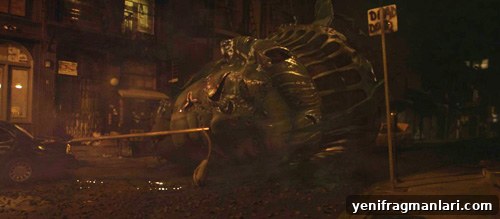
Cloverfield captures a group of friends documenting a farewell party that turns into a desperate flight from a monstrous attack on New York City. The film follows their attempt to survive and escape amid citywide devastation.
Presented as found footage, Cloverfield is a taut, kinetic survival story. Reeves’ pacing and editing keep tension elevated throughout, and the early sequences establish an uneasy tone that permeates the entire film. While the found-footage format sometimes strains plausibility—raising questions about why characters continue filming—the approach amplifies immediacy and chaos in many effective moments. The film also reads as a cultural artifact, reflecting anxieties about urban vulnerability in a post-9/11 landscape.
3. War for the Planet of the Apes (2017)
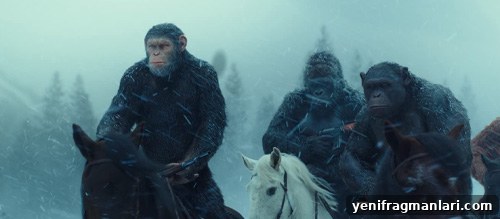
War for the Planet of the Apes concludes Caesar’s epic arc as he confronts a ruthless human military force led by a merciless colonel. Caesar’s quest for justice and survival forces him to face moral dilemmas that test his leadership and identity.
This entry is visually striking—snowy vistas and some of the most convincing CGI of recent years. Andy Serkis’ motion-capture performance gives Caesar remarkable emotional nuance, and the film balances spectacle with intimate character moments. Though a few plot devices feel underdeveloped and one death scene lands poorly, the film remains a powerful, thoughtful end to a modern trilogy.
2. The Batman (2022)
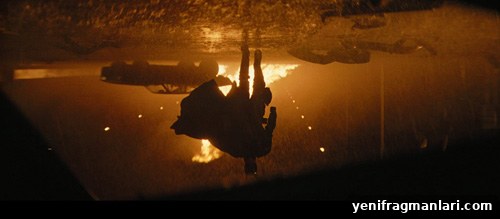
The Batman explores Bruce Wayne in his second year as Gotham’s vigilante, embroiled in a serial killer’s campaign that exposes corruption and fractures within the city. As Batman hunts the Riddler, he wrestles with the line between vengeance and justice.
Reeves’ adaptation stands out for its devotion to the comics and its uncompromising tone. Robert Pattinson delivers a layered performance that balances rage, grief, and moral uncertainty. Visually, the film is distinctive: Greig Fraser’s grimy, smudged cinematography and Michael Giacchino’s brooding score create a Gothic, noir-infused Gotham that feels tangible and threatening. Reeves prioritizes character over spectacle, producing a dense, operatic superhero film that redefines the caped crusader for a modern audience.
1. Dawn of the Planet of the Apes (2014)
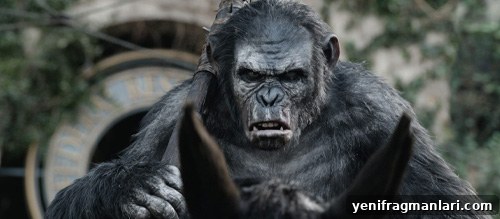
Set a decade after a pandemic has devastated humanity, Dawn of the Planet of the Apes follows Caesar and his community of evolved apes as they try to maintain a peaceful society while human survivors stumble into their territory. Tensions rise, internal divisions form, and the fragile peace collapses as fear and resentment surface.
This film marks a major leap for Reeves. He perfectly balances sweeping action with intimate character work, allowing quieter moments to carry as much weight as the large set pieces. The motion-capture performances—led by Andy Serkis—are exceptional, and Toby Kebbell’s portrayal of the vengeful Koba adds tragic depth to the conflict. Cinematography, score, and production design combine to give the film a Shakespearean gravitas. Dawn is emotionally rich, thematically ambitious, and remains both the director’s crowning achievement and one of the standout films of the 2010s.
With a diverse body of work that spans romance, horror, blockbuster spectacle, and character-driven drama, Matt Reeves continues to evolve as a filmmaker. His strengths—worldbuilding, emotional honesty, and technical mastery—make his future projects highly anticipated. Which Reeves film resonates most with you? Share your thoughts and revisit these standout entries to follow the creative growth of one of today’s most reliable directors.
Follow the conversation for more curated film analysis and rankings.