
Long Live My Happy Head (2022)
Directors: Will Hewitt, Austen McCowan
Screenwriters: Will Hewitt, Austen McCowan
Long Live My Happy Head is a moving documentary that examines impending death through the lens of art. It tells a story of love, resilience and creativity that remains powerful even when much of the narrative unfolds during the Covid-19 lockdowns.
The film follows Gordon, a 39-year-old comic-book artist based in Edinburgh. Nearly ten years earlier he learned he had an inoperable brain tumour. The documentary traces his medical journey, his emotional reckoning, and a loving relationship that develops in spite of the odds. Gordon’s story is presented through animated sequences inspired by his own drawing style, alongside his candid voiceover reflections.
Diagnosed in his early thirties, Gordon was first given eight to ten years to live; as the tumour progressed doctors later reduced that estimate to two to three years. Seven years on, he remains alive and living with the tumour, which he personifies by naming it “Rick” and even converses with. As Gordon wryly observes, “brain tumours are literally head‑f*cks.”
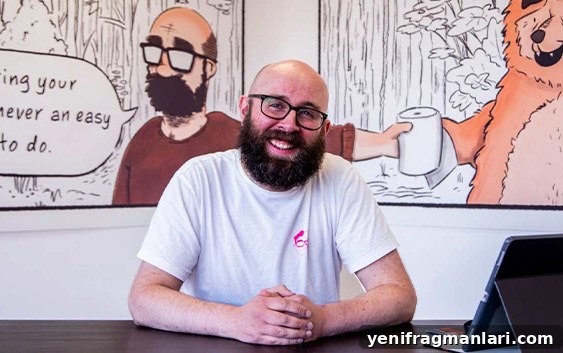
Encouraged by his school friend Richie, Gordon began processing the complex realities of living with cancer by creating comic books. The protagonist in his work is an exaggerated version of himself. In the film’s talking-head interviews, Gordon is visibly emotional; the animated version of him, however, is often impassive, with even the eyes obscured behind glasses. This contrast—raw human feeling paired with stylised detachment—gives the film much of its emotional weight.
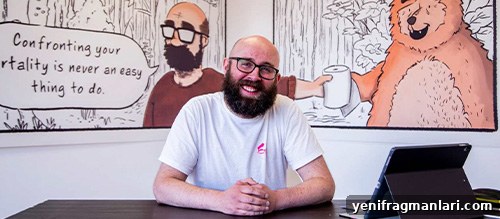
His comics and the animated sequences are both poignant and darkly humorous. One scene captures the balance perfectly: the comic self remarks, “Confronting your mortality is not an easy thing to do,” and then passes a toilet roll to a bear. These moments of levity provide breathing space amid heavier themes.
Gordon met his partner Shawn when Shawn visited the UK from the United States for work. Neither expected a long-term relationship, but they immediately connected. Gordon eventually disclosed his terminal diagnosis, and Shawn chose to stay. The film follows their partnership as it navigates love, caregiving, and the realities of mortality.
Set against the backdrop of Edinburgh, the couple share intimate moments in familiar local settings, including Arthur’s Seat, which offers sweeping views over the city. They are also shown participating in Edinburgh Pride, grounding their relationship in community and joy as well as struggle.
A key sequence follows Gordon to a Graphic Medicine conference in Brighton, where he meets others who use art to explore illness and caregiving. There he encounters artists and patients who, like him, transform pain and uncertainty into creative expression. One fellow attendee explains a shared motive: “I needed to write things I’d have wanted to have read in that position.” That sentiment captures the documentary’s core impulse—making work that helps both creator and audience confront difficult truths.
Gordon experiences frequent seizures, and because he is unconscious during them he struggles to describe the internal sensation to others. This inability to fully communicate such episodes highlights the importance of supportive friends and partners. The arrival of the Covid-19 pandemic intensifies these vulnerabilities: lockdowns and travel restrictions isolate Gordon further and make every lost day feel more consequential.
Alongside his autobiographical comics, Gordon devises ways to translate medical experiences into visual form—one strip attempts to capture the claustrophobia of an MRI machine, while another explores what it means to be a carer. He asks directly about Shawn’s role: “Does Shawn see himself as a carer yet? If he doesn’t, he should.” These moments probe how love and duty interweave when illness becomes part of daily life.
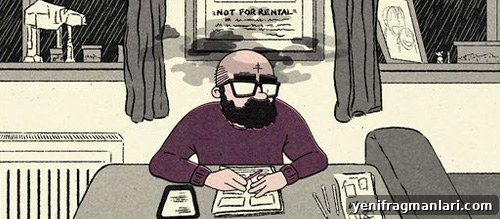
When the pandemic closed borders and enforced isolation, the couple faced agonizing distance. Shawn was unable to return from the U.S. initially, and Gordon—designated clinically vulnerable—found himself confined to his flat, sustaining himself through his art, interviews, and solitary walks around his home. He turned forty during lockdown, marking the milestone with an emotional Zoom call. For a time it seemed they might never have a proper goodbye, heightening the film’s sense of fragility and uncertainty.
When travel opened up again, Shawn was finally able to visit for a tearful reunion. Their conversations are raw and honest: “I can’t rescue you and I can’t fix this,” Shawn tells Gordon, acknowledging the limits of care in the face of terminal illness. Practical issues—work, health systems, and finances—prevent either man from permanently relocating, underscoring how systemic constraints shape personal choices.
The film’s score, composed by Alexandra Hamilton-Ayres, sits perfectly with the visuals and narrative. It supports Gordon’s story without manipulating emotion; the music is restrained and thoughtful, allowing the material’s natural poignancy to resonate.
Most viewers will recognize some element of this story: many of us have witnessed cancer’s effects on loved ones. Long Live My Happy Head offers a concentrated, intimate portrait rather than a broad survey. While some viewers may wish for longer conversations with other patients and carers who informed Gordon’s work, the film’s laser focus on one person’s experience is also its strength. It blends humour, tenderness, and frankness, arriving at a quiet acceptance that is both pragmatic and bittersweet. Gordon’s final reflection—“I’m happy but sadness is there. Perhaps in equal measure”—captures the film’s emotional truth.
22/24