
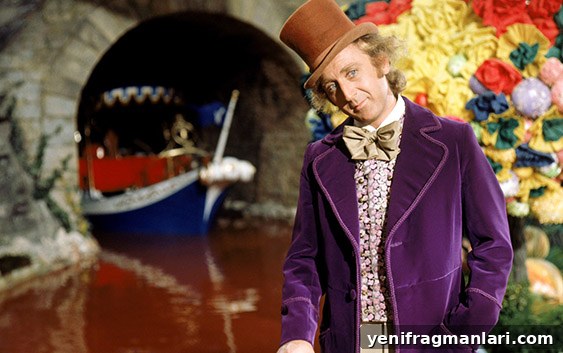
Willy Wonka & the Chocolate Factory (1971)
Director: Mel Stuart
Screenwriter: Roald Dahl
Starring: Gene Wilder, Peter Ostrum, Jack Albertson, Julie Dawn Cole, Paris Themmen, Denise Nickerson, Michael Bollner, Roy Kinnear, Nora Denney, Leonard Stone, Ursula Reit, Gunter Meisner
Willy Wonka & the Chocolate Factory occupies a rare place in cinema: a live-action family film that has become a cultural touchstone across generations. Since its release, the movie has embedded itself in popular culture, influencing music, television and film while remaining a beloved rite of passage for many childhoods. It’s more than simple entertainment; it’s an enduring piece of storytelling that balances whimsy and darkness with a distinctive, often unsettling charm.
The story centers on Charlie Bucket (Peter Ostrum), a boy whose family lives in poverty in a small, cramped home shared with his hardworking mother and four ailing grandparents. Meals are frugal, and a single loaf of bread is a prized luxury. Charlie’s hope arrives in the form of a worldwide contest run by the reclusive candy-maker Willy Wonka (Gene Wilder). Wonka announces that five golden tickets have been hidden in Wonka Bars shipped around the world; the lucky ticket holders will be invited to tour his extraordinary factory. As spoiled and demanding children gradually uncover the golden tickets, Charlie’s chance seems slim—until an unexpected stroke of fortune puts the last ticket in his hands and opens the doors to a realm of imagination.
Roald Dahl adapted his own novel for the screenplay, with uncredited contributions from David Seltzer. The result is a rare live-action film that genuinely entertains both adults and children: at times delightfully cheeky and reminiscent of British sketch humour, at others awash in pure wonder. For roughly the first half of the film, the audience shares in the mounting anticipation. Schools are dismissed, news broadcasts cover the mania, and even scientists build elaborate devices to track down the golden tickets. This escalating global frenzy toward a chocolate factory is absurd but wholly convincing, setting the stage for the magic to come.
And when the factory tour begins, that buildup pays off. The characters and environments that follow are as iconic as they are bizarre. Despite a strong ensemble, Gene Wilder’s performance defines the film. From his very first physical entrance, Wilder commands attention. His Wonka is whimsical and unpredictable—part playful trickster, part enigmatic genius—with a warmth lurking beneath a deliberately eccentric exterior. Wilder’s portrayal walks a fine line between sinister and sympathetic, keeping viewers enthralled and unsure of his next move.
The film’s willingness to embrace the strange—and at times the frightening—is a major reason it has endured. Mel Stuart’s direction does not shy away from darker elements. Slugworth, the shadowy figure who appears to spy on the children, and the infamous subterranean boat sequence stand out as moments that both unsettle and fascinate. Despite the candy-coated surfaces and vivid colours, danger in this world is often abrupt and severe.
Dahl’s moral sensibilities remain central to the story: bad behaviour has consequences. Throughout the factory tour, children are punished for their vices in ways that range from comic to severe, echoing the structure of a cautionary tale. The film trims its cast of children one by one—almost like a fable or a children’s thriller—sending each misbehaving character through a fate designed to teach both them and the audience. Parents react with hysteria; Wonka responds with dry, often cold wit, underscoring the film’s complex moral outlook.
At the heart of the film is Charlie: humble, kind, and self-effacing. Charlie’s virtues—his generosity, thoughtfulness and humility—stand in sharp contrast to the other children’s greed and entitlement. His reward is both emotional and narrative: when Charlie prevails, the audience shares in a classic underdog triumph, and Wonka himself seems, unexpectedly, to join the celebration.
Seltzer’s decision to include musical numbers transformed the adaptation into a whimsical musical. While Roald Dahl initially resisted this change, the songs by Leslie Bricusse and Anthony Newley have become inseparable from the film’s identity. From the exuberant “I’ve Got a Golden Ticket” to the dreamlike opening of “Pure Imagination” and the persistent, ever-changing Oompa-Loompa tunes, the music enriches the film’s atmosphere and adds emotional depth to key moments. Alongside Harper Goff’s vibrant production design and Helen Colvig’s memorable costumes, the songs help create a singular visual and auditory experience.
Over five decades, the film has been parodied, memed and lovingly referenced across media, a sign of its deep cultural footprint. That continued attention speaks to the way it imprinted on audiences early in life and has grown in stature with time. The blend of whimsy, darkness and moral clarity gives it a complexity that rewards repeat viewings.
Willy Wonka, Charlie and the ensemble of extraordinary characters remain compelling and resonant. The film’s invitation to “pure imagination” endures—an open door to wonder that remains as powerful now as it was at release.
22/24
Written by Scott Z. Walkinshaw
You can support Scott Walkinshaw in the following places:
Twitter – @scottfuzz
Letterboxd – /scottfuzz