
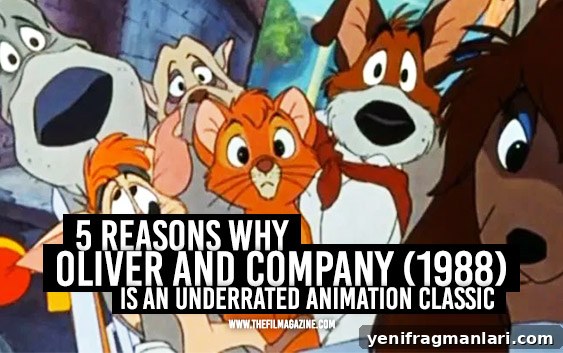
The classic era of Walt Disney Animation carries a strong sense of nostalgia, from its beloved princess stories to lesser-remembered releases. One of the studio’s most underrated films from that period is Oliver and Company (1988), a primarily hand-drawn animated feature that follows an orphaned kitten navigating contemporary New York City, moving between the streets and high society with charm and wit.
Though directed by the then-relatively unknown George Scribner, the production brought together several Disney animation stalwarts—Glen Keane, Ruben A. Aquino, Mike Gabriel, Hendel Butoy and Mark Henn among them—whose work helped build anticipation for the film even before its release. The voices and musical contributions of Billy Joel, Bette Midler, Cheech Marin and others gave the film a distinct sound that reinforced its modern, urban setting.
Released a year before what many call the Disney Renaissance, Oliver and Company was overshadowed by the wave of renewed attention to Disney animation that followed. Still, revisiting the movie today reveals a number of strengths that make it a deserving entry in the studio’s catalogue. Below are five reasons why Oliver and Company (1988) is an underrated animation classic, examining animation, setting, storytelling, casting and music.
1. The Cityscape and Authentic Setting
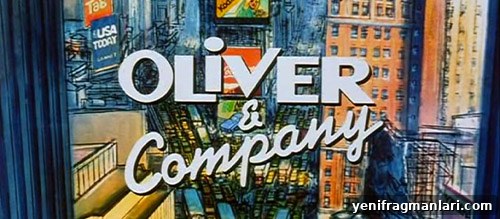
From the opening sequence onward, Oliver and Company embraces iconic New York imagery: a skyline lit to music, yellow taxis threading busy avenues, and the visual clutter of billboards and storefronts. Unlike many earlier Disney films that place their stories in historical or fantasy settings, Oliver and Company locates its fairy tale in a then-contemporary American metropolis. The inclusion of familiar brands and urban details serves not as product placement but as visual shorthand, helping to create a believable and nostalgic portrait of 1980s New York.
The film’s city scenes evoke the energy and grit of the era while also romanticizing the urban environment, turning crowded sidewalks and neon signs into a colorful backdrop for a modern fable about belonging, loyalty and the search for home.
2. Classic Hand-Drawn Animation

Oliver and Company arrived near the end of an era when hand-drawn animation was Disney’s standard. While the film incorporates some computer-assisted techniques—most notably in a subway chase—its heart is traditional, hand-rendered animation. That tactile linework and painterly background design give the film warmth and texture that many viewers now associate with classic Disney storytelling.
For audiences who grew up with this style, the film remains a nostalgic reminder of the artistry behind animation before the full transition to CGI. The hand-drawn approach also suits the film’s romanticized version of New York, lending a fairy-tale softness to an urban landscape often defined by its harshness.
3. A Modern Retelling of a Timeless Tale

At its core, Oliver and Company adapts the narrative of Charles Dickens’ Oliver Twist into a new form. The plot—an orphan taken in by a streetwise crew, later glimpsing a life in higher society—follows the familiar arc of Dickens’ classic, but relocates it to 1980s New York and gives many of its roles to animal characters. Critics sometimes labeled the film predictable for this reason, but the familiarity is an asset: the movie introduces classic literature’s themes of belonging and survival to younger viewers through an accessible, family-friendly lens.
This reimagining highlights the timeless qualities of Dickens’ storytelling—how a tale about social survival and compassion can be translated across centuries and species while still resonating emotionally.
4. A Diverse, Well-Crafted Cast
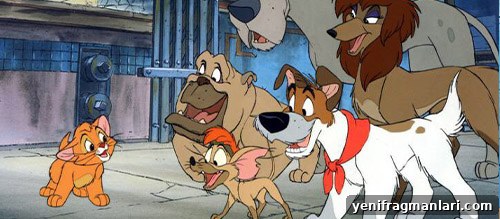
The film benefits from a varied and charismatic vocal cast that reflects the cultural mix of New York. Performances range from Billy Joel’s distinctive voice as Dodger to Cheech Marin’s spirited delivery as Tito. The characters avoid flattening cultural traits into harmful stereotypes; instead, they are given personalities and quirks that grow from character design and voice performance. For example, Francis, voiced by Roscoe Lee Browne, is portrayed as a theatrical English bulldog rather than a one-note caricature, allowing the film to present diversity without relying on cliché.
That range of voices and character types gives Oliver and Company a textured ensemble dynamic, with each role contributing to the story’s heart and humor.
5. Memorable Music and Performances

Music is central to the film’s identity. Billy Joel’s performance as Dodger hints at the soundtrack’s pop sensibility, while songs such as “Why Should I Worry?” showcase catchy, upbeat melodies that quickly lodge in the listener’s memory. The opening number, performed with the era’s pop-rock flair, sets a nostalgic tone for the city-bound tale, and other numbers—including ensemble pieces and character-driven songs—mix Broadway-influenced staging with 1980s pop production.
Vocal contributions from established artists and carefully arranged songs help the soundtrack bridge the film’s romanticized past and its contemporary musical influences, enhancing emotional beats and broadening the film’s appeal.
Oliver and Company remains a distinctive and enjoyable entry in Disney’s late-20th-century output. Its blend of hand-drawn artistry, a modern urban setting, a familiar literary foundation, a diverse cast and an ear-catching soundtrack make it worth revisiting. For viewers seeking a nostalgic, character-driven animated film framed by the energy of 1980s New York, Oliver and Company still delivers.
What moments from Oliver and Company stand out to you? Share your thoughts and memories of the film.