
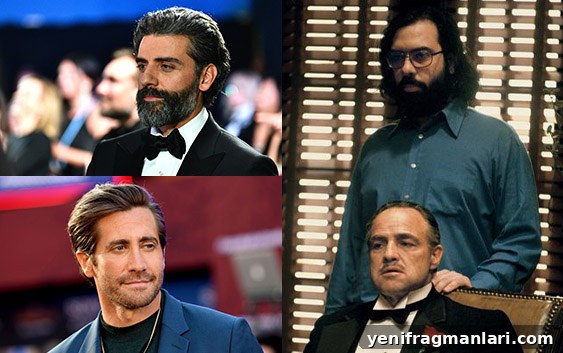
American director Barry Levinson has assembled a high-profile cast for Francis and The Godfather, a feature that chronicles the tumultuous making of the 1972 crime classic The Godfather. Oscar Isaac and Jake Gyllenhaal will headline the drama: Isaac takes on the role of director Francis Ford Coppola, while Gyllenhaal portrays Paramount Pictures chief Robert Evans. The film explores the intense creative and commercial pressures that shaped one of cinema’s most celebrated productions.
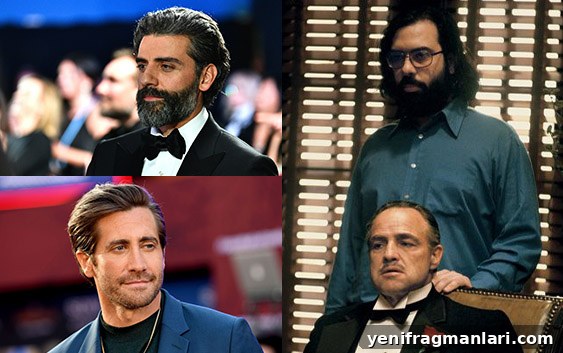
Images courtesy of Getty and Paramount Pictures.
Francis and The Godfather will follow Coppola as he fights to realize his vision amid clashes with studio executives and doubts about casting choices. One of the production’s central conflicts revolved around the film’s lead actor, Marlon Brando, who many studio decision-makers regarded as a risky choice at the time. The story highlights how Coppola’s auteur sensibility frequently collided with Evans’ urgent need for a commercial success to stabilize the studio’s fortunes. Levinson has reflected on the unusual circumstances that produced the original film, noting: “Out of the madness of production, and against all odds, a classic film happened.”
Oscar Isaac, known for performances in films such as Inside Llewyn Davis and the Star Wars sequels, is set to portray the complex and creative force of Francis Ford Coppola. Jake Gyllenhaal, whose recent credits include Spider-Man: Far From Home and Nocturnal Animals, will play the role of Robert Evans, the charismatic studio head whose business priorities often conflicted with Coppola’s artistic ambitions. Their casting positions two versatile actors at the center of a story about artistic risk, studio politics, and the unpredictable alchemy of moviemaking.
Barry Levinson brings substantial industry experience to the project. He is best known for directing acclaimed films including Rain Man and Good Morning, Vietnam—movies that combined commercial success with awards recognition and critical praise. While some of Levinson’s more recent projects have not reached the same level of commercial impact, his career has repeatedly demonstrated an ability to handle character-driven stories and episodes of intense creative struggle. Levinson contributed an updated treatment to the screenplay, which first appeared on Hollywood’s Black List and was originally written by Andrew Farotte.
The film’s focus on behind-the-scenes conflict makes it an attractive subject for both cinephiles and general audiences: it examines how artistic vision and studio economics interact, and how high-stakes decisions—such as casting a controversial lead—can determine the fate of an entire production. Francis and The Godfather aims to dramatize the high-pressure environment of 1970s Hollywood, charting the personal and professional stakes for everyone involved, from the director and actors to studio executives and producers.
Francis Ford Coppola himself has expressed support for the project, commenting that “any movie that Barry Levinson makes about anything, will be interesting and worthwhile.” Coppola has also been occupied with a new director’s cut of The Godfather: Part III, which has reportedly been eyed for a December release window. As for Francis and The Godfather, no official release date has been announced yet.
This new film promises to add to the ongoing cultural conversation about The Godfather as both a cinematic achievement and a case study in creative conflict. By focusing on the fraught production process, Barry Levinson’s project will offer a closer look at the personalities, compromises, and bold choices that helped bring a landmark film to the screen. With strong lead performers in Isaac and Gyllenhaal and Levinson’s seasoned direction, Francis and The Godfather is shaping up to be a thoughtful and dramatic portrayal of how great films can emerge from chaotic circumstances.