
The Painter and the Thief (2020)
Director: Benjamin Ree
Starring: Karl Bertil-Norland, Barbora Kyslikova
The Painter and the Thief is a quietly powerful documentary that examines art, theft, addiction and the unexpected human connections that can follow trauma. Directed by Benjamin Ree, the film follows Czech-born artist Barbora Kyslikova after two of her paintings are stolen. Instead of a straightforward crime story, Ree constructs a layered portrait of empathy and rehabilitation, shifting perspective between the artist and one of the men accused of the theft, Karl Bertil-Norland.
The film opens with courtroom sketches and a tense exchange that immediately frames the narrative around art theft and accountability. Karl Bertil-Norland appears in court charged with stealing Barbora’s works—collectively valued at around €20,000—yet he claims to have no memory of what happened to the paintings. That early sequence primes viewers to expect a conventional documentary about crime and restitution. What follows, however, subverts the genre by exploring the human lives behind the headlines: addiction, poverty, creative impulse and the capacity for forgiveness.
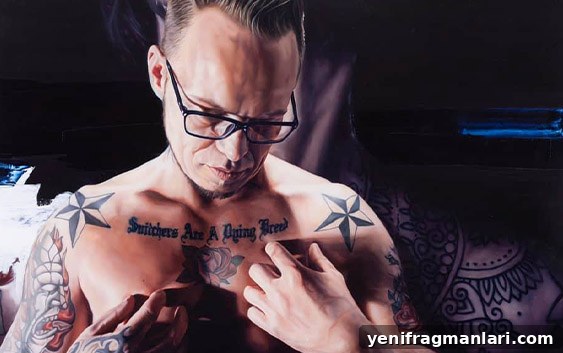
After Karl serves his sentence, Barbora chooses to seek him out. She invites him to sit for a portrait in her apartment, a decision that drives the film’s emotional core. The act of painting transforms the relationship between artist and subject; it becomes a process of mutual exposure. As Barbora paints, the camera uncovers layers of both lives—Karl’s battles with substance dependence and a fractured past, and Barbora’s own struggles with an abusive relationship and financial instability. These personal histories are handled with restraint and respect, allowing the audience to form compassionate judgments rather than moral pronouncements.
One of the most affecting sequences is the unveiling of Barbora’s portrait of Karl. Filmed weeks after she completes the work, the scene captures a raw, unguarded moment: a man confronted with an image of himself he has never allowed himself to see. Karl’s visible emotion—his breakdown while wearing a T-shirt that reads “You are stronger than you think”—is an intimate reminder of the healing power of being truly seen. This pivotal moment is neither sentimental nor manipulative; it feels earned and sincere.
Benjamin Ree’s direction is economical and observant. His approach to storytelling privileges human detail over flashy technique, and he frequently shifts the film’s emotional anchor from Barbora to Karl so the audience can track both decline and recovery. The cinematography often relies on quiet close-ups and natural light, reinforcing the documentary’s tone of authenticity. Courtroom sketches, domestic interiors and the artist’s studio become visual motifs that ground the narrative in specific places while allowing the themes of trust and redemption to remain universal.
As a character study, the documentary is compelling because it resists easy conclusions. Both protagonists are presented as flawed, sympathetic people whose lives intersect in an uncommon way. Barbora’s willingness to engage with the man who stole her work raises questions about ownership, forgiveness and the role of art in repair. Karl’s trajectory—from convicted thief to a person capable of vulnerability—challenges viewers to reconsider assumptions about criminality and rehabilitation.
The film is not without imperfections. At times the pacing slackens and certain scenes feel repetitive, which can dilute momentum in the middle portions. A few narrative threads could have been tightened to maintain focus. Yet these shortcomings do little to dim the overall emotional payoff. The story remains thoughtful and resonant, anchored by strong character work and a humane directorial sensibility.
For viewers interested in documentary film, contemporary art, or stories of personal recovery, The Painter and the Thief offers a memorable experience. It balances questions about art theft and ownership with deeper reflections on friendship, empathy and the unpredictable ways people can help one another heal. Benjamin Ree’s film turns a crime story into a meditation on the restorative possibilities of art—how making and witnessing a portrait can open a path to understanding.
17/24