
Eyimofe (2020)
Directors: Arie & Chuko Esiri
Screenwriter: Chuko Esiri
Starring: Jude Akuwudike, Temi-Ami Williams, Emmanuel Adeji, Mary Agholor, Kemi Lala Akindoju
Eyimofe (This Is My Desire) arrives for its UK premiere at a moment that coincides with Black History Month, a fitting time to reflect both on historical achievements and on contemporary talent. Twin brothers Arie and Chuko Esiri offer a tender, street-level portrait of Lagos, Nigeria’s most populous city, through two interwoven stories about people seeking a better life abroad.
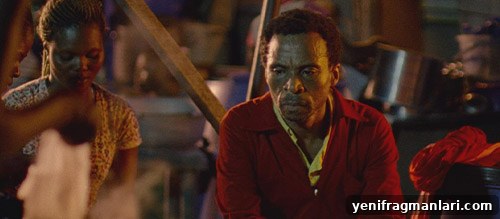
The film follows Mofe (Jude Akuwudike), an electrical engineer, and Rosa (Temi-Ami Williams), a young hairdresser. They share little beyond their city and a common longing to escape to Europe. Shot in two chapters titled “Spain” and “Italy,” the structure maps each character’s hopes and the obstacles that stand between them and the futures they imagine.
In the “Spain” chapter, Mofe’s life begins to unravel under a series of financial and personal blows. Like a modern-day Job, he faces mounting hospital bills, funeral costs and legal fees while also trying to raise money for his planned move. Lagos itself becomes a force in his story, offering both opportunity and pressure—a relentless backdrop that both supports and strains his resolve.
“Italy” shifts the focus to Rosa, who supports her pregnant sister and juggles two jobs to survive. Pressed by economic necessity, Rosa becomes involved in a morally ambiguous scheme to obtain travel documents. Where Mofe attempts to fix problems with his hands and professional skill, Rosa relies more on relationships and emotional labor to keep going. Both approaches reveal strengths and vulnerabilities, and both characters confront the hard choices that shape their identities and desires.
Although Mofe and Rosa only briefly cross paths, the Esiri brothers use their parallel stories to show how individual lives in Lagos are quietly connected. The film explores universal themes—money, grief, longing, work and love—through intimate, character-driven moments. By observing how each protagonist responds to hardship, Eyimofe reveals the compromises and small triumphs that define daily survival in a complex urban environment.
Funded and produced in Nigeria with a largely Nigerian cast and crew, the film was shot on 16mm across forty-eight locations in Lagos. That choice of medium and location work gives the film a tactile, textured quality. The city itself plays an active role: real pedestrians, vendors and passersby appear as natural extras, lending authenticity and a lived-in feel to every scene. Lagos frequently asserts itself, filling the frame with color, movement and noise, which at times competes with the protagonists’ narratives and at other times enriches them.
The Esiri brothers’ cinematic approach shares affinities with filmmakers who turn their cameras toward bustling cities, seeking truth in everyday motion and chaos. Here, Lagos is not merely a backdrop but a character that shapes the lives and choices of the people who inhabit it.
Nollywood, Nigeria’s prolific film industry, is best known for high-volume, low-budget productions that are popular across Africa. Eyimofe, however, blends that local cinematic sensibility with independent, international arthouse techniques. The result is a film that feels rooted in Nigerian reality yet crafted to engage festival audiences and international viewers who appreciate slow-burning, observational drama.
The film’s nearly two-hour runtime allows room for quiet, observational sequences that emphasize everyday detail—repairing machinery, street commerce, moments of rest and routine. Some sequences could have benefited from tighter editing; the pacing is deliberately unhurried, and a few scenes linger longer than necessary. Still, those moments also demonstrate a visual confidence and an eye for composition, suggesting two directors experimenting and refining their craft.
Arie and Chuko Esiri show considerable promise. Eyimofe feels like a strong debut that announces their arrival as filmmakers to watch. The movie’s compassionate focus on ordinary lives, its textured portrayal of Lagos, and its patient storytelling combine into a distinctive piece of contemporary African cinema.
20/24