
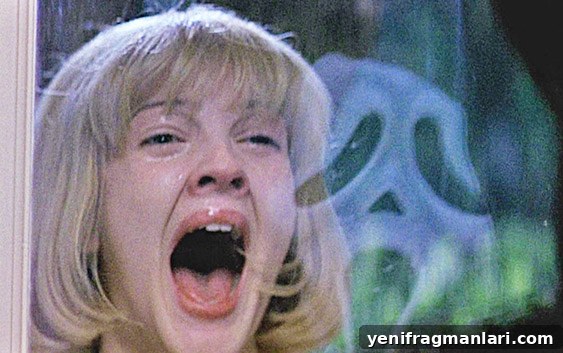
My First Time Watching Scream (1996)
Hi, I’m Annice, and until recently I had never seen Scream. I grew up a very anxious child — the movies that terrified me were often not the obvious ones. To me, the scariest films were things like Bean (the Mr. Bean movie) and, strangely, Matilda. Still, it was the season for scares, and when my local cinema scheduled a screening of Wes Craven’s mid-90s classic, I decided to be brave and finally find out what so many people talk about.
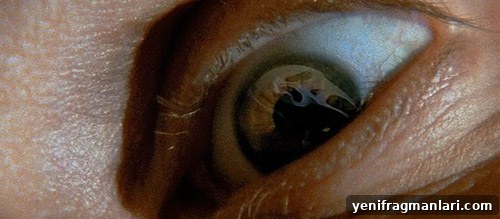
Scream landed at a time when many critics and audiences declared horror “dead.” Wes Craven responded by moving away from the tired tropes of misogynistic slasher films — the “girls in short skirts running around getting murdered” formula — toward something sharper and more self-aware. The film arrived in a cynical era and matched that tone with a horror movie that both celebrated and dissected the genre.
The opening scene is famous and often parodied: Drew Barrymore plays a character named Casey who is home alone and answers a mysterious phone call. The sequence is clever in how it toys with expectations. Small moments — Casey putting popcorn on the stove, for example — set up tension and then defy it, leaving you uncertain about where the next scare will come from. That uncertainty is a big part of the film’s power.
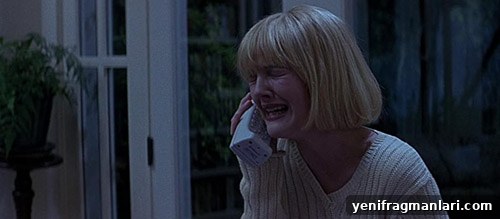
Casey’s conversation with a friend about favorite horror movies introduces one of Scream’s main ideas: by the mid-90s, everyone in the film’s world knows horror movie rules. That knowledge breeds a dangerous confidence — people assume they won’t make the classic mistakes, but that very confidence becomes a trap. When Casey naively opens her door, she pays the ultimate price. Killing a widely known actor in the film’s first scene was a bold move that immediately signaled Craven was playing by different rules.
From there the story turns into a teen movie with slasher trappings. We meet Sidney Prescott (Neve Campbell), who reveals the murdered girl used to sit next to her in class. Her best friend Tatum (Rose McGowan) responds with flippant humor, showing how desensitized these kids seem to violence and how casual their reactions can be. The town is shaken because Sidney’s mother was also killed the year before, a detail that deepens Sidney’s vulnerability and raises the stakes.
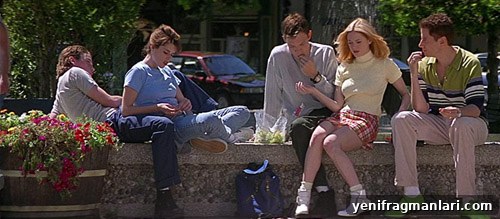
As with many films, exposition arrives via a news report. Courteney Cox appears as an ambitious TV reporter who prioritizes a sensational story over people’s feelings — a portrayal that adds a satirical edge to the film’s view of media sensationalism. That night, after another double murder in town, Sidney is once again alone at home and terrified, calling Tatum and remarking that it feels like “déjà vu all over again.”
The film’s postmodern, tongue-in-cheek approach is what sets it apart. Sidney refuses to play the typical victim, insisting she won’t behave like the “stupid girl in a horror film.” Yet her awareness becomes a vulnerability: she lets Ghostface into the house and only narrowly escapes. The movie subverts the usual slasher logic — doors and simple actions actually protect characters in this world.
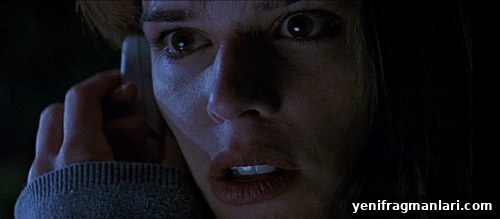
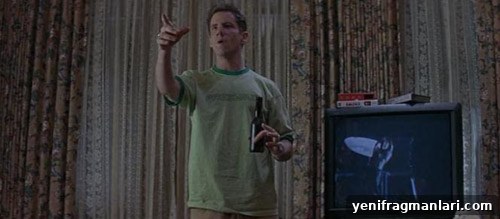
After this close call, Scream shifts toward a whodunit among teens. The film drops clues and invites the audience to play detective. For a while, suspicion falls on Billy (Skeet Ulrich), partly because the killer places calls from a mobile phone — a detail that was more significant when not everyone carried phones — and partly because a character named Randy (Jamie Kennedy) points out that “it’s always the boyfriend.” Randy serves as the film’s meta-commentator, explaining horror tropes to the audience and reinforcing the movie’s self-aware tone.
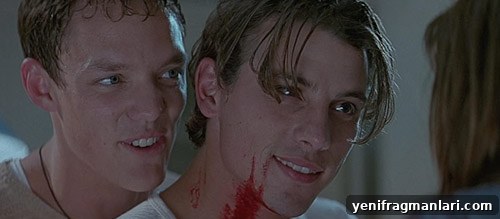
As bodies pile up, the film reaches a twist that feels both surprising and inevitable: Billy is revealed as one of the killers — and so is his friend Stu (Matthew Lillard). Their motivations tie back to Sidney’s mother and a messy personal history. The reveal lands because Scream has set up its clues and used genre conventions as both misdirection and explanation.
The finale leaves Sidney alive, alongside Gale Weathers (Cox) and Deputy Dewey (David Arquette). In a twist of production fate, Dewey appears to survive an otherwise fatal moment, a choice that helped the character return in later films. Gale shoots Billy, and Sidney reconciles the complex emotions surrounding her mother’s death. It’s a neat, if slightly conventional, ending after a movie that spent so much effort undermining convention.
Recommended for you: Scream Movies Ranked
Having finally seen Scream, I can say it wasn’t as terrifying to me as Bean or Matilda, but it changed the way I think about famous horror films. Its blend of satire, suspense, and teen drama convinced me that the classic deserves its reputation. I’m wary of sequels — part of Scream’s strength is its cleverness and self-awareness, which sequels can sometimes dilute — so for now I’ll leave my Scream journey with the original. Next on my list: is it time to finally watch The Blair Witch Project?