
Spirited Away (2001)
Director: Hayao Miyazaki
Screenwriter: Hayao Miyazaki
Starring (English Dub): Daveigh Chase, Suzanne Pleshette, Jason Marsden, Susan Egan, David Ogden Stiers
Twenty years after its release, Hayao Miyazaki’s Spirited Away remains one of the most influential animated films of the 21st century. Celebrated for its imaginative storytelling, lush hand-drawn animation and emotional depth, the film helped introduce global audiences to the breadth of Japanese animation and Studio Ghibli’s singular vision. Spirited Away broke box-office records in Japan and captured the Academy Award for Best Animated Feature in 2003, but its lasting legacy lies in how it expanded the horizons of viewers worldwide and helped shift attention toward world cinema and Asian film traditions.
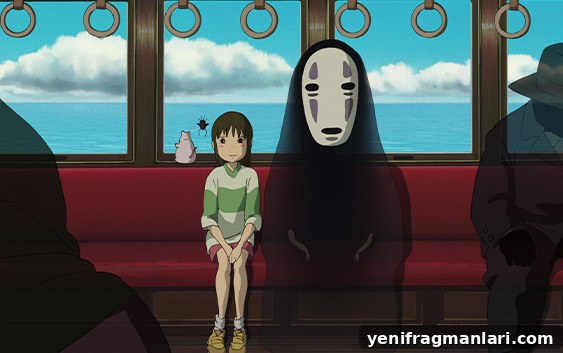
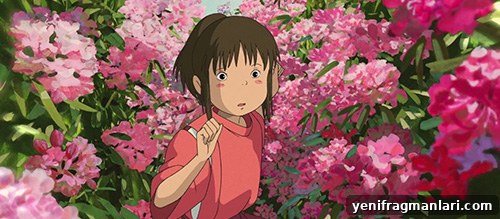
The film follows Chihiro, a sulky ten-year-old girl thrust into a bewildering spirit world when her family wanders into an abandoned theme park. After her parents gorge on unattended food and are transformed into pigs, Chihiro must find a way to survive and rescue them. Forced to take a job at a massive bathhouse run by the fearsome witch Yubaba, Chihiro — renamed Sen — navigates a strange economy of gods, spirits and jealous workers. With humility, courage and compassion, she forms unexpected alliances, confronts peril and ultimately reclaims the freedom of her family and herself. The story balances coming-of-age themes with spiritual and cultural motifs drawn from Shinto tradition, creating a layered narrative that resonates with both children and adults.
Studio Ghibli’s films are consistently recognized for originality, meticulous craftsmanship and emotional sincerity. In Spirited Away, Miyazaki’s signature approach — blending folkloric influences, naturalistic detail and warm humanism — is on full display. Every frame reveals careful design choices: exteriors rendered with painterly attention that recall the luminance of classical landscape art, and interiors packed with small, meaningful props that bring the bathhouse and its inhabitants to life. Characters are imaginative and varied, drawing on Japanese cultural references while remaining universally accessible.
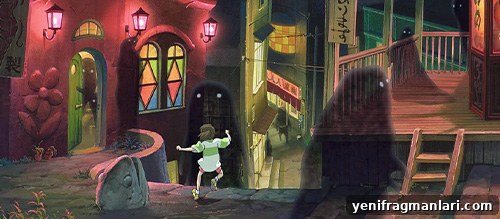
Unlike many modern animated blockbusters that rely heavily on CGI, Spirited Away emphasizes traditional hand-drawn animation with only selective use of 3D techniques. This choice strengthens the film’s emotional immediacy: the movement and expression of characters feel lived-in and tactile. Miyazaki’s production process, driven by storyboards rather than rigid scripts, produces sequences that breathe and unfold organically. The animation supports character development and thematic nuance — from the irresistible textures of food to the grotesque tenderness of certain spirits — giving the film a unique, immersive quality.
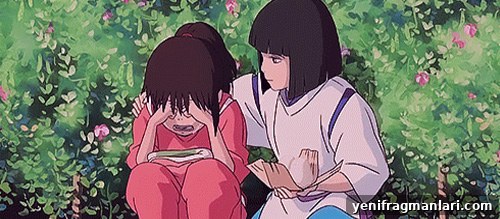
One of Miyazaki’s core aesthetic devices is the concept of “ma,” the deliberate use of silence and stillness. These quiet moments create space for emotional resonance and allow viewers to absorb Chihiro’s experience as she adjusts to an unfamiliar world. A simple scene in which Chihiro eats rice balls and cries while waiting for news about her parents becomes a powerful emotional anchor because the film permits us to sit with her sorrow. These pauses amplify tension, deepen empathy and invite reflection without didactic explanation.
Spirited Away’s cultural specificity is another of its strengths. The film incorporates Shinto ideas, traditional myths and Japanese social cues organically, inviting international audiences to engage with them on their own terms. Miyazaki resisted heavy-handed edits for Western releases, ensuring that the original story and atmosphere remained intact. As a result, the film functions as both an accessible fantasy and a respectful window into Japanese belief systems and customs.
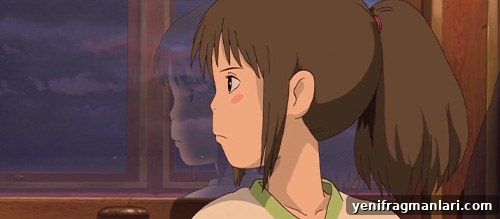
The character of Chihiro stands out as an exemplary depiction of a young female protagonist. Inspired by a real ten-year-old, she is authentic rather than idealized: unimposing, occasionally fearful, yet thoughtful, resourceful and morally grounded. Chihiro’s power is not physical or supernatural but fundamentally human — empathy, persistence and moral clarity. Her compassion transforms situations that others would exploit or ignore: she recognizes the humanity in a tormented spirit, offers kindness to the lonely No-Face, and heals Haku through care and remembrance. Chihiro’s agency grows through the film; she asks for work, faces powerful figures and ultimately rescues her family, illustrating a model of empowerment rooted in everyday courage rather than spectacle.
Over two decades later, Spirited Away continues to influence animators, storytellers and audiences. Its combination of technical brilliance, cultural richness and emotional clarity makes it a touchstone for what animation can achieve — a film that entertains while inviting reflection on identity, responsibility and compassion. Miyazaki’s gentle insistence on preserving the film’s original integrity helped ensure that its voice traveled to the world unchanged, inspiring viewers young and old to discover new stories beyond familiar borders.
24/24
Recommended for you: 10 Best Studio Ghibli Films