

Ride the Eagle (2021)
Director: Trent O’Donnell
Screenwriters: Jake Johnson, Trent O’Donnell
Starring: Jake Johnson, Susan Sarandon, D’Arcy Carden, J.K. Simmons
Emerging from the limitations of the pandemic, Ride the Eagle is a small, heartfelt film born of constrained creativity. Jake Johnson and director Trent O’Donnell, collaborators with a background in comedy television, crafted this intimate story during lockdown. The movie’s production and tone reflect the realities of filmmaking under health restrictions: inventive, cautious, and focused on the interpersonal rather than the spectacular. That constraint becomes a creative asset, producing a modest comedy-drama that leans on character, tenderness and quiet humor.
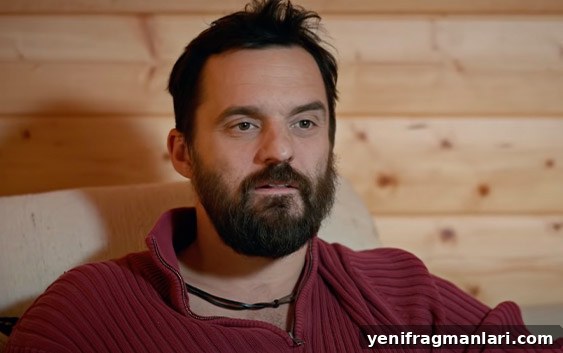
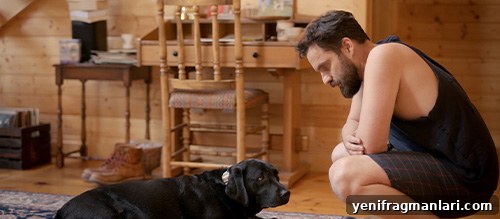
The film stars Jake Johnson as Leif, a struggling middle-aged musician who embraces solitude and lives in a remote log cabin with only his rescue dog Nora for company. Leif’s life is upended when he learns his estranged mother, Honey (Susan Sarandon), has died. Honey deserted him as a child to join a free-spirited New Age community, and their relationship remained fractured. In her will, Honey leaves a surprising condition: her secluded home in Yosemite will belong to Leif only if he completes a series of tasks she sets out for him.
Leif travels to Honey’s property and discovers a trove of VHS recordings she prepared before her death. In those recordings, Honey delivers instructions, encouragement and the odd eccentric test designed to prompt reflection, reconciliation and growth. The tasks range from the silly to the meaningful: learning to catch fish barehanded, calling an ex to make amends, and confronting parts of himself he has long avoided. Along the way, Honey’s recorded guidance nudges Leif to face old resentments, reevaluate his ambitions, and open himself to connection beyond his cabin walls.
The device of posthumous videotaped tasks creates a bittersweet dynamic. Honey’s messages function as both comedic set pieces and a form of unconventional parenting from beyond the grave. They drive the plot while allowing the film to remain small in scale—mostly centered on Leif’s reactions, quiet scenes of nature, and conversations that are often one-sided. The stripped-back approach occasionally exposes narrative thinness, but also amplifies character work and avoids unnecessary spectacle.
Johnson carries most of the film on his shoulders, finding a balance between self-mockery and genuine feeling. He avoids simply rehashing familiar roles and instead builds a portrait of a man slowly coming to terms with grief, abandonment and the possibility of change. The chemistry between Leif and his dog Nora is a highlight: the animal performance provides warmth, levity and an emotional anchor for scenes that could otherwise drift. Supporting turns add color—Susan Sarandon’s presence as the enigmatic mother, D’Arcy Carden as Audrey, the “girl who got away,” and J.K. Simmons in a memorable cameo offer moments of surprise and grounded human connection.
Tonally, Ride the Eagle moves between comedy and pathos. Its humor often arises from awkwardness and human flaws rather than sharp punchlines; its emotional beats are earned through small revelations. The film’s split-screen phone conversations and socially distanced interactions reflect pandemic-era realities, and while those formal choices can sometimes feel limiting, they also contribute to the film’s intimacy. For viewers who prefer broad, cinematic gestures, the film’s low-key nature may feel understated. For audiences attuned to character-driven storytelling and modest production design, the film’s subtlety is rewarding.
There are moments where the premise strains credibility—why Leif dutifully completes tasks that no one enforces remains a quiet mystery—but the movie never asks viewers to scrutinize its setup too closely. Instead, it leans into the emotional truth of someone learning to forgive, to take responsibility, and to consider a life beyond isolation. Director Trent O’Donnell manages this delicate balance by emphasizing humane details, pacing scenes to allow quiet change to register, and splicing in moments of genuine laughter so the film rarely feels weighed down by sentimentality.
Ultimately, Ride the Eagle is a restrained, affectionate film about second chances and unlikely forms of parenting. It’s a product of its era—both in production and subject—and it offers a modest but sincere exploration of grief, reconciliation and the small acts that can steer someone toward growth. For viewers seeking gentle comedy-drama with an emphasis on character and the healing power of connection, this film delivers a warm, human story led by an engaging central performance.
Rating: 14/24