
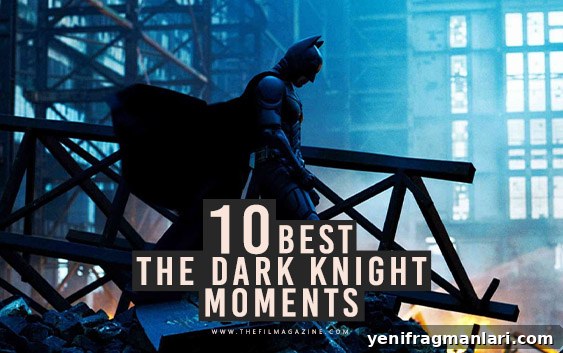
The Dark Knight remains widely regarded as one of the greatest superhero films ever made. Released in 2008, Christopher Nolan’s darker, more realistic take on Batman (played by Christian Bale) redefined comic-book adaptations and helped establish a grittier, more serious direction for the genre. This Warner Bros. release moved superhero cinema beyond lighter, more cartoonish offerings and proved it could deliver emotionally and thematically rich storytelling.
This most famous big-screen incarnation of the DC Comics icon is anchored by Heath Ledger’s Oscar-winning performance as the Joker. Ledger, 27 during filming, dominated Nolan’s film with a performance many consider the high-water mark for comic-book villains. His untimely death at 28 only amplified the legend surrounding his work in the movie, preserving his Joker as one of the genre’s most memorable and haunting creations.
In The Dark Knight, Ledger’s Joker attacks Bruce Wayne’s core beliefs. As Batman’s philosophical mirror and ultimate adversary, he forces an ideological crisis, waging an unpredictable campaign that targets not only Batman but Gotham’s institutions and the moral assumptions that hold modern society together. The Joker embodies chaos in an ordered world, driving the film’s central moral and psychological conflicts.
In this Movie List, The Film Magazine examines the central confrontations and set pieces between Joker and Batman, comparing them to other standout moments in Nolan’s ensemble drama to identify the ten best sequences from The Dark Knight. These entries include iconic visuals, crucial character beats, and unforgettable lines—moments that helped reshape superhero film language. Here are the 10 Best The Dark Knight Moments.
Read 10 Best Batman Begins Moments before you read this article.
Follow @thefilmagazine on Twitter.
10. Alfred’s Parable
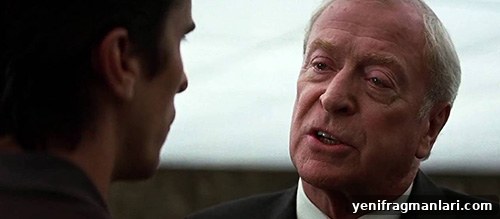
“Some men just wanna watch the world burn.”
Michael Caine’s Alfred is more than a loyal butler in Nolan’s trilogy—he’s a mentor and moral compass for Bruce Wayne. In this short but powerful monologue, Alfred tells a story about tracking a thief in Burma to explain that not everyone is motivated by logic, money, or reason. The tale reframes the Joker’s violence as pure chaos: a force that cannot be bargained with, bought, or bullied. This lesson forces Bruce to rethink his assumptions about crime and about what it takes to protect Gotham.
Delivered with quiet authority and emotional weight, Alfred’s parable is an essential moment of character guidance. It clarifies Joker’s nature while giving Batman the philosophical shift he needs to confront an enemy who refuses to play by the usual rules.
9. The Assassination Attempt
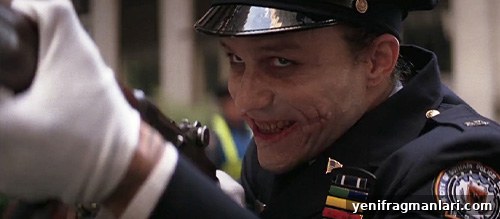
One of the film’s tense set pieces occurs during a memorial procession where an apparent gun salute turns into an assassination attempt. Nolan’s editing and score build mounting anxiety as Bruce Wayne follows leads to uncover Joker’s plans. The reveal—that the gunmen are part of Joker’s conspiracy—heightens the stakes and underscores how central Batman has become to Gotham’s safety.
The scene also serves as a turning point for James Gordon, who fakes his death to go undercover and pursue the Joker. It exemplifies Nolan’s skill at pacing: a compact, breathless sequence that advances the plot and deepens character commitment, showing how Gotham relies on heroes both masked and unmasked.
8. Transferring Harvey Dent
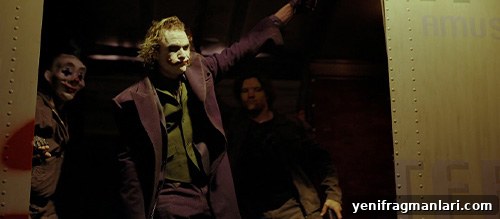
The armored transfer scene is one of the trilogy’s standout chases: an armored vehicle carrying Harvey Dent is ambushed by the Joker’s crew while Batman pursues in the Batmobile. The sequence is frenetic, escalate-driven, and full of character beats—most notably the Joker’s taunting request for Batman to kill him. When the Joker swaps a machine gun for a bazooka, Nolan balances dark humor with genuine peril, creating a memorable action set piece that also advances the psychological struggle between Batman and the Joker.
This scene shows how Batman and the Joker are inexorably drawn toward one another, wearing each other down as their conflict intensifies. At the same time, it provides meaningful development for Dent and Gordon, setting up the moral consequences that will shape the film’s final act.
7. Batman’s Epilogue Sacrifice
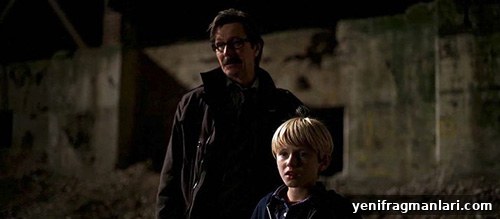
“He’s the hero Gotham deserves, but not the one it needs right now.”
The film’s closing sequence ties together multiple emotional threads. With Harvey Dent dead and the city on the brink, Bruce Wayne chooses to shoulder a terrible lie for Gotham’s sake: he accepts the blame for Dent’s crimes to preserve Dent’s role as the city’s symbol of hope. Gordon’s explanation to his son about Batman’s sacrifice—saying Batman must be the villain so Gotham can believe in a true hero—underscores Bruce’s choice to put the city above his own reputation.
This ending resolves key arcs while creating the moral terrain for the trilogy’s final chapter. It’s a powerful, poignant moment that captures the cost of being a hero and the burdens Wayne must carry in the name of a greater good.
6. Joker Meets the Mob
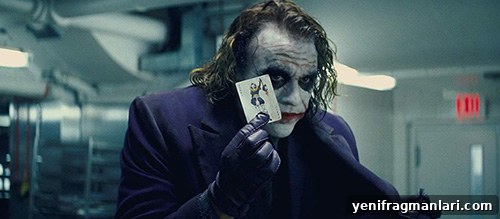
“Do you want to see a magic trick?”
The Joker’s confrontation with Gotham’s crime bosses is cinematic shorthand for how disruptive and fearless his character is. Interrupting a mob meeting, he demonstrates horrifyingly casual brutality—most famously making a pencil “disappear”—and proposes killing Batman as a business solution. Heath Ledger’s performance elevates every line, turning this scene into an unforgettable display of menace and dark charisma.
While the sequence primarily develops Joker’s persona rather than advancing all plot strands, its shock value, theatricality, and raw intensity make it an essential and iconic moment in the film.
5. Joker’s Social Experiment
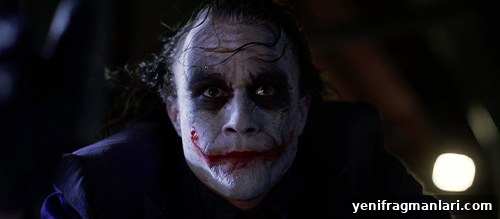
“Madness is, as you know, like gravity. All it takes is a little push.”
One of the film’s most morally complex sequences places Gotham’s citizens in a brutal test: two boats, each with a trigger that can destroy the other. If one boat detonates the other, its passengers survive; otherwise, both boats are doomed. The dilemma forces ordinary people to confront impossible choices while Batman fights to stop the Joker’s plan.
The passengers’ debate and the eventual choices they make speak to the film’s central question about human nature. When the citizens refuse to play into the Joker’s expectations, the moment becomes a profound vindication of Bruce Wayne’s faith in Gotham. Ledger’s performance shifts subtly as the experiment fails, revealing light traces of dismay and then perverse delight that make his eventual downfall all the more resonant.
4. The Interrogation
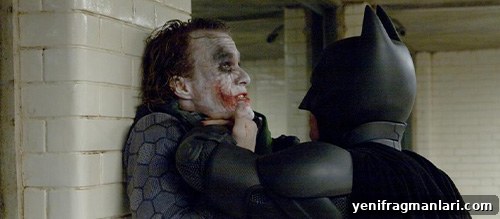
The interrogation scene is a standout, almost a character study between two opposing moral philosophies. Held in a police holding room, Joker and Batman trade words with increasing intensity. The Joker’s sadistic logic—“Never start with the head…”—clashes with Batman’s determination, and the conversation escalates into a brutal revelation: Rachel and Harvey Dent have been placed in separate deathtraps. The choice Batman makes and its tragic consequence drive the film into darker territory and have lasting emotional impact for every major character.
This scene blends suspense, moral testing, and raw performance into a defining moment of the film that reshapes the stakes for Batman and for Gotham.
3. Joker Blows Up the Hospital
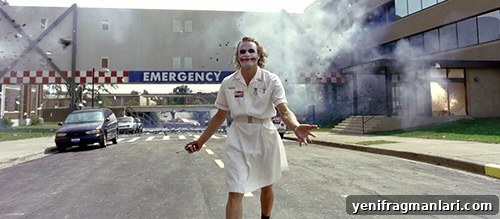
The hospital explosion is an image that lingers long after the credits roll: the Joker, in a nurse’s outfit, walking away as the building detonates. It’s a devastating visual metaphor for the Joker’s assault on Bruce Wayne’s beliefs. Where the fire at Wayne Manor in Batman Begins symbolized personal loss and family legacy, the hospital’s destruction attacks the public institutions Bruce hoped could survive and heal Gotham.
The sequence pushes Bruce to embrace more extreme measures—most notably the controversial sonar surveillance system—and it marks a turning point for Harvey Dent’s fall from grace. Nolan’s decision to film the blast practically heightens the sequence’s realism and ensures its status as one of the film’s most unforgettable moments.
2. Joker Crashes Wayne’s Penthouse Fundraiser
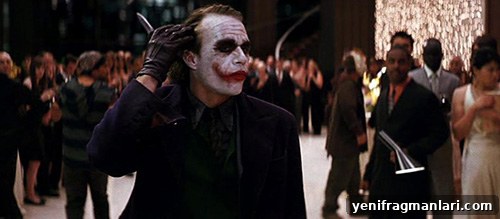
“Ladies and Gentlemen, we are tonight’s entertainment.”
When the Joker invades Bruce Wayne’s high-society fundraiser for Harvey Dent, Nolan juxtaposes Gotham’s wealth and order with anarchy in the most direct way. The penthouse, a symbol of Bruce’s social standing, is no refuge; Joker’s intrusion proves he can reach anyone. Ledger’s performance here—teasing, violent, and oddly magnetic—culminates in a shocking moment when Rachel is thrown from a window, exposing Batman’s emotional vulnerability and giving Joker the critical insight that Rachel is Bruce’s weakness.
The scene is tightly constructed, beautifully shot, and emotionally devastating: a dramatic collision of Bruce Wayne’s public life and Batman’s private sacrifices.
1. The Prologue
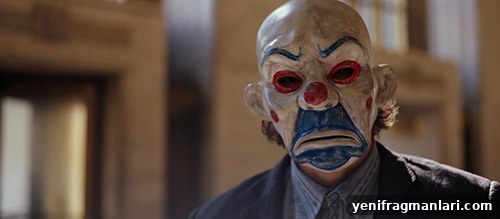
“I believe whatever doesn’t kill you simply makes you stranger.”
The film’s opening heist—shot with IMAX cameras and edited to a propulsive score—announces the Joker in spectacular fashion. Masked criminals rob a mob-run bank while the Joker, unseen at first, orchestrates the mayhem. The final unmasking reveals Heath Ledger’s Joker in a chilling, magnetic introduction that establishes his unique blend of humor and menace.
As a prologue, this sequence is a masterclass in tone-setting, immediately asserting the Joker as a new kind of threat: strategic, theatrical, and ruthlessly effective. It also underlines why cinema audiences continue to flock to theaters—the combination of visceral spectacle, meticulous filmmaking, and a towering central performance.
Do you agree with our picks for the top moments in The Dark Knight? Which scenes would you add or reorder? Share your thoughts in the comments, and follow The Film Magazine on social platforms for more curated movie lists and film analysis.