Hercules (1997)
Directors: Ron Clements, John Musker
Screenwriters: Ron Clements, John Musker, Don McEnery, Bob Shaw, Irene Mecchi
Starring: Tate Donovan, Susan Egan, James Woods, Danny DeVito, Rip Torn, Bobcat Goldthwait, Matt Frewer, Hal Holbrook, Barbara Barrie, Paul Shaffer
After their work toward the long-delayed project that would eventually become Treasure Planet, directors Ron Clements and John Musker were assigned to a high-profile animated feature loosely inspired by Greek myth. The result, Hercules, arrived in 1997 as a bright, comedic reimagining of ancient legends filtered through the sensibilities of the Disney Renaissance era. At the time of release the film received mixed reviews and modest box-office returns relative to other Disney hits, but twenty-five years on it still offers enjoyable qualities worth revisiting.
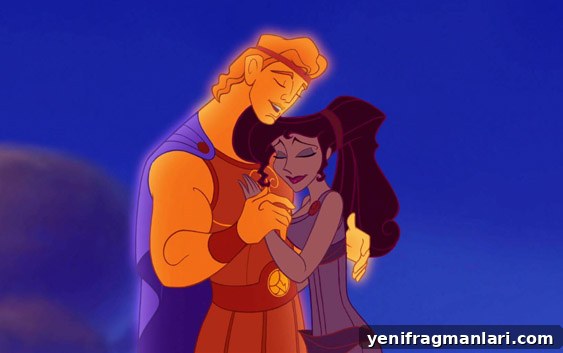
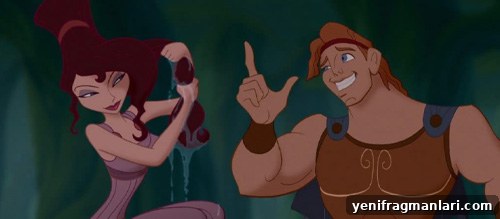
Hercules tells the story of Zeus’s son, taken from Olympus as an infant and rendered mortal through his scheming uncle Hades’ machinations. Growing up on Earth as a workmanlike, awkward young man with prodigious strength, Hercules must prove himself a true hero to regain his place among the gods. He enlists the help of the grizzled trainer Philoctetes and becomes entangled with Megara, a complex romantic interest who brings emotional depth and moral ambiguity to the narrative.
The movie opens with a deliberately old-school, epical tone, narrated briefly in a resonant voice that nods to the grand sword-and-sandal spectacles of earlier decades. That classical framing immediately sets the stage for a film that intends to be both epic and playful, blending ancient iconography with contemporary comedic rhythms.
Musically, Hercules stands out in the Disney canon. Composer Alan Menken and lyricist David Zippel crafted a score and songs that lean heavily on gospel and soulful harmonies. The film’s centerpiece is the chorus of Muses—vocalists whose powerful performances deliver exposition and propel the story. Their numbers are catchy and memorable, providing emotional weight while keeping the pace brisk and entertaining. Songs such as “I Won’t Say I’m in Love” give Megara a genuine moment of vulnerability and charm that elevates her role within the film.
Visually, the character design takes cues from caricaturist Gerald Scarfe and ancient Greek art, producing figures that are angular, expressive, and frequently comic. This stylized approach works particularly well in the film’s slapstick sequences and set pieces. The movie also introduced early computer-generated elements in select action scenes, most notably a complex battle with a multi-headed monster; these moments were ambitious for the time, though some CGI details may feel dated to modern eyes.
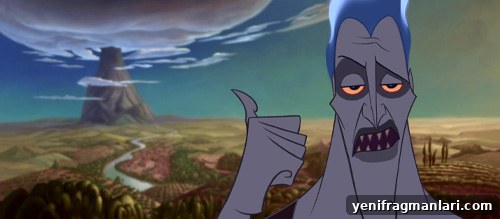
James Woods’ Hades remains one of Disney’s most striking antagonists. He is equal parts slick showman and sinister plotter, delivering rapid-fire lines with a venomous charm. Danny DeVito’s Philoctetes provides effective comic contrast as a weary mentor figure, while Susan Egan’s Megara emerges as one of the film’s emotional anchors—her conflicted loyalties and dry wit add depth that helps the story avoid flattening into pure parody.
Thematically, Hercules reiterates familiar Disney motifs—identity, self-acceptance, and the distinction between fame and true heroism. The film critiques celebrity culture and the hollow spectacle of celebrity status, arguing that genuine courage derives from compassion and sacrifice rather than public adulation. That moral is delivered in a family-friendly package, rendering the film accessible to younger viewers while giving adults something to consider.
However, the movie is not without flaws. Its tone sometimes swings sharply between broad comedy and emotionally weighty moments, which can undermine dramatic impact. Certain plot devices feel contrived; the timing and mechanics of Hades’ scheme rely on convenient coincidences rather than organic development. Similarly, many of Hercules’ heroic trials are condensed into a montage, which limits the opportunity to watch him grow gradually through sustained challenges. These structural choices leave the central character less textured than his antagonist and love interest.
Despite those shortcomings, Hercules remains a crowd-pleaser: its strong vocal performances, infectious songs, and striking visual identity keep it entertaining. The film’s mix of satire, heart, and mythic imagery makes it a distinctive entry in the Disney animated lineup. While it may not reach the emotional or artistic heights of the studio’s most celebrated Renaissance titles, it offers an enjoyable balance of humor, music, and spectacle that continues to resonate with audiences.
Overall, Hercules is a spirited reinterpretation of classical myth that succeeds largely because of its voice cast and musical energy. It works best when it leans into its strengths—lively songs, dynamic villainy, and visual flair—and less so when it attempts to juggle too many tonal commitments at once. For viewers seeking a family-friendly animated adventure with memorable tunes and a satirical edge, Hercules remains a worthwhile watch.
Score: 16/24
Recommended for you: Disney Renaissance movies ranked