
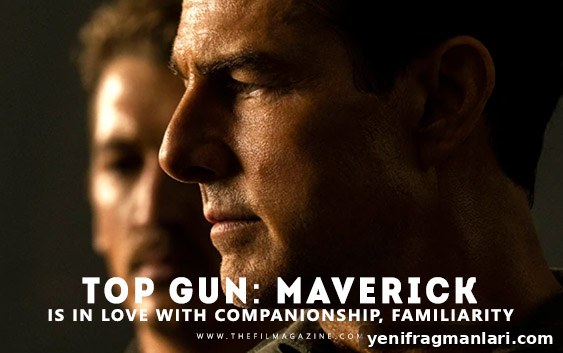
Humans are, undeniably and inevitably, creatures of habit. From the morning coffee to the way we lace our shoes, patterns guide our daily lives—often without conscious thought. That tendency helps explain why audiences watch Top Gun: Maverick over and over, and why repetition in this film is a feature rather than a flaw. Tom Cruise understands the comfort of ritual and leans into it, balancing thrilling action with a warm, familiar rhythm. While Cruise does enjoy multiple emphatic runs in this installment, the film is more than a showcase for his physicality; it is a romantic, sentimental blockbuster that celebrates the things we return to again and again.
At its broadest level, Top Gun: Maverick is gloriously formulaic. It functions like an echo of the original, with a cyclical structure that opens and closes in a hangar and culminates in Cruise literally riding into the sunset. The narrative is straightforward and linear, populated with moments that act as tributes—nostalgic winks rather than distractions. This deliberate adherence to a familiar recipe keeps the viewer attuned to tone and emotional connections. Each scene feels like a miniature memory, designed to evoke immediate affection and shared recognition. The film’s beats work the way favorite songs or traditions do: they reassure and delight.
The writers make choices that are transparent yet inspired. Notably, the film avoids specifying a political enemy or naming a targeted country. That omission is less a studio dodge than an artistic decision: Top Gun: Maverick is not primarily a combat movie. The military setting provides context and stakes, but the heart of the story lies in relationships—between pilots, mentors, rivals, and old friends. By minimizing geopolitical specifics, the film foregrounds human connection and emotional stakes instead of turning the plot into a commentary on current events.
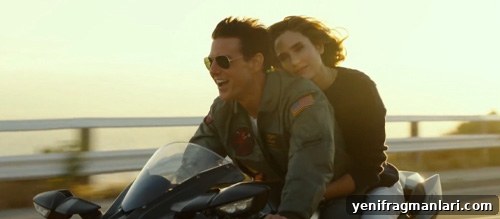
Scene selection reinforces the film’s emotional priorities. A sailing sequence exists primarily to reveal Maverick’s affection for Penny Benjamin (Jennifer Connelly). The climax loads the mission with improbable obstacles because the filmmakers want to watch Miles Teller’s Rooster and Cruise’s Maverick prove their loyalty under pressure. Frequent nods to the original, cinematic callbacks, and self-referential moments could easily be dismissed as cheese, but in this case the cheesiness is intentional and comforting. The film serves nostalgia on a large, airplane-wing-shaped platter.
Directorial and editorial choices underline that tone. Kenny Loggins’ “Highway to the Danger Zone” arrives early, signaling the kind of fun the audience should expect. The recurring musical motifs and repeated aviation phrases—terms like “fifth-generation fighters” and “turn and burn”—act as a comforting refrain, making viewers feel included and energized rather than lectured. The dialogue is crafted to give non-pilot audiences just enough aviation jargon to feel part of the world without getting bogged down in technical detail. The result is excitement and accessibility in equal measure.

What elevates Top Gun: Maverick beyond spectacle are its sincere depictions of male relationships. The film moves past the expected tropes of macho posturing and reveals genuine compassion, vulnerability, and growth. Maverick’s hangar initially presents him as the archetypal lone male fantasy—fast machines, comfortable chairs, and a motorbike hidden under a cover. Yet the narrative quickly subverts that image, making clear that what Maverick wants most is companionship and meaningful bonds. That emotional arc carries a didactic quality, showing audiences that humility and empathy matter as much as bravado.
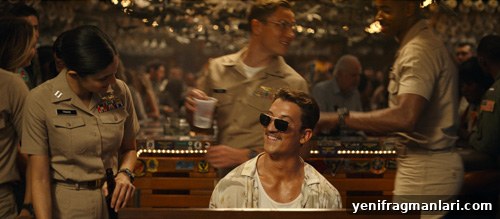
Glen Powell’s Hangman provides a central example of that transformation. Introduced as selfish and arrogant, Hangman’s journey through failure and self-awareness becomes a key vehicle for the film’s message about growth. His arc, and Maverick’s patient mentorship, illustrate how characters who resemble past versions of themselves can learn empathy. Similarly, Maverick’s relationship with Val Kilmer’s Ice Man offers a quieter but powerful emotional thread. Brief but poignant glimpses of Ice Man’s role as a stabilizing force underline themes of loyalty, respect, and intergenerational support.

Top Gun: Maverick may not aim to be deeply philosophical, and its messages are straightforward rather than obscure. Yet those very qualities make the film effective: it transmits joy and reassurance through familiar rhythms and heartfelt interactions. The movie commits to traditional values—human connection over machinery, emotion over efficiency—and repeats those motifs often enough that they feel personally resonant. Watching it in a theater captures the communal joy of a blockbuster experience: the rush of aerial sequences, the swell of the score, and the simple pleasure of leaving the cinema smiling.
Ultimately, Top Gun: Maverick succeeds because it recreates the exhilaration of a shared cinematic ritual. It celebrates loyalty, mentorship, romance, and the comfort of returning to what we already love. The film invites viewers to relive that feeling, and to find, in its familiar beats and warm relationships, the kind of reassurance that keeps audiences coming back.
Written by Callum McGuigan
Recommended for you: Top Gun: Maverick (2022) Review