
2022 proved that cinema was back in many ways, but it hadn’t fully reclaimed the position it once held before the pandemic—and perhaps it never will in quite the same form. Only three movies crossed the billion-dollar mark worldwide, compared with nine in 2019.
Edinburgh International Film Festival, one of the world’s oldest and most respected festivals, was held perhaps for the last time when its parent company entered administration. Arts funding across the UK, particularly outside London, continues to be under pressure.
Independent films are increasingly difficult to finance and even harder to secure big-screen exhibition for, as cinemas prioritise large-scale, crowd-pleasing releases to offset rising operating costs. Most smaller films that do reach audiences will likely be discovered first on streaming platforms.
Every major studio now operates its own streaming service with exclusive, gated content. After platforms began removing titles that weren’t expected to deliver long-term profits, there’s no assurance that comprehensive digital libraries of classic films and television will remain consistently available.
The year also underlined a persistent truth: in a world rife with corruption, inequality and hardship, many cinema-goers primarily seek prolonged escapism. Top Gun: Maverick had a monumental cultural impact, and Jurassic World Dominion similarly appealed to nostalgia-hungry audiences. The Marvel Cinematic Universe and the DC Extended Universe continue to operate, though neither dominates the box office in the same way they once did. Even a new Batman film failed to surpass the billion-dollar threshold, although major tentpoles like James Cameron’s Avatar sequels are still likely to make a substantial impact.
With that in mind, here are my 10 Best Films Released in the UK in 2022. Each of these struck me as more compelling and memorable than many of the big-budget superhero fare, franchise reboots and predictable blockbusters.
Follow me @SSPThinksFilm on Twitter.
10. RRR

RRR arrived like a cinematic force of nature. Nothing else in 2022 matched its bombastic, exuberant spectacle. The title abbreviates the director SS Rajamouli and his two stars, and the film blends historical inspiration with operatic action.
A fictional tale inspired by two real Indian revolutionaries, the story follows tribesman Bheem (NT Rama Rao Jr) and police officer Raju (Ram Charan) as they form an unlikely friendship and take on the colonial might of the British Raj in the 1920s.
RRR is an excellent gateway for fans of Western blockbusters or East Asian action cinema who want to explore Indian filmmaking. Its set-pieces are colossal in imagination and execution, and the film delivers catharsis by staging wildly inventive confrontations against the abuses of empire, framed through vibrant song, dance and action.
9. Decision to Leave
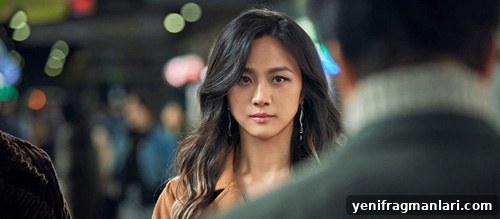
Park Chan-wook’s sensual detective thriller refreshes familiar genre elements with striking visual style and a thoughtful incorporation of modern technology into its twisting investigation.
An insomniac detective in Busan (Park Hae-il) becomes consumed by suspicion surrounding a Chinese woman (Tang Wei) whose husband died under mysterious circumstances. Even after she is cleared, their lives continue to intersect in unsettling ways.
Compared to Park’s more overtly twisted earlier work, this film is subtler in its darkness, but it continues his exploration of moral ambiguity and psychological complexity. The lead performances are electrifying, and the film lingers in the memory through mood and moral subtlety.
8. Barbarian
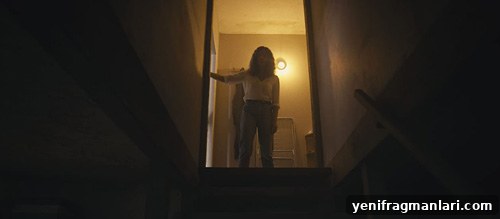
Zach Cregger’s Barbarian is the most perversely entertaining horror film of the year, constantly upending expectations and provoking gasps, groans and laughs in equal measure.
After arriving at a rundown Detroit Airbnb, Tess (Georgina Campbell) discovers the property has been double-booked by Keith (Bill Skarsgård) and soon uncovers decades of sinister secrets hidden beneath the house.
If you think you can predict its trajectory from the tense opening, think again—Cregger pushes the premise into mischievous, unsettling territory, blending bold visual horror with unexpected warmth and thematic layers that reward repeat thought.
7. Ali & Ava
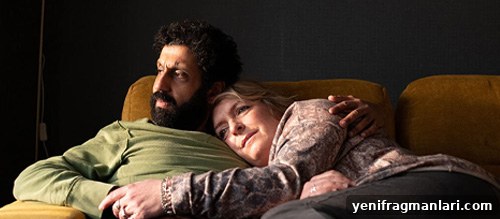
Clio Barnard’s tender portrait of overlooked lives in Bradford balances gritty realism with a sweet, authentic romance.
A DJ (Adeel Akhtar) and a school assistant (Claire Rushbrook) from different working-class backgrounds find an emotional connection that reshapes their complicated family situations.
Barnard avoids exploitative portrayals of hardship; instead she develops socially grounded stories with the involvement of the communities she depicts. The result is sincere—poignant, funny and emotionally honest.
6. The House

2022 was a strong year for animation, and this unsettling stop-motion anthology stands out for its originality and dark imagination.
The House comprises three twisted folk tales crafted by a writer and four animation directors—Emma de Swaef, Marc James Roels, Niki Lindroth von Bahr and Paloma Baeza—chronicling the life of a strange house across centuries.
The film moves from knitted-doll gothic fable to bizarre insect-like invaders and ends with a haunting chapter about human-cat figures at the world’s watery close. Its imagery is as memorable as it is unsettling, making it one of the year’s most distinctive animated works.
5. Nope

Jordan Peele confirmed his place as one of today’s most compelling mainstream filmmakers with this multilayered, surprising homage to invasion and spectacle cinema.
The Haywood siblings (Daniel Kaluuya and Keke Palmer) inherit a legacy of training movie horses and encounter something strange in the skies above their ranch. Their attempt to document the phenomenon becomes an exploration of our hunger for spectacle.
Peele demonstrates remarkable genre versatility. Nope offers stunning set-pieces, atmospheric dread and thematic richness, inviting multiple interpretations about entertainment, exploitation and spectacle.
4. Aftersun

Charlotte Wells’ Aftersun is anchored in a specific time and place but its exploration of complicated family bonds feels universal and deeply affecting.
On a bittersweet holiday in Turkey, father and daughter Calum and Sophie (Paul Mescal and Frankie Corio) navigate the strains of Calum’s depression and Sophie’s attempts to fit in with older peers.
The film’s naturalistic performances and Wells’ patient directorial approach create an intimate experience. Moments linger just long enough to resonate, making the film both raw and quietly unforgettable.
3. Cha Cha Real Smooth
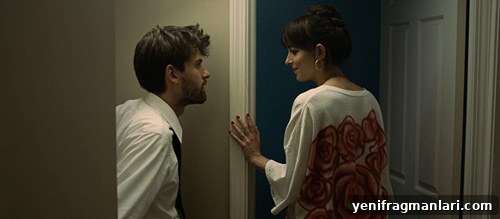
Cooper Raiff has emerged as a leading voice in gently awkward, empathetic comedy-drama, writing, directing and starring in stories where kindness ultimately prevails.
Andrew (Raiff) drifts through life until his job as a bat mitzvah party-starter sparks a friendship with Domino (Dakota Johnson) and her autistic daughter Lola (Vanessa Burghardt), setting him on a new emotional path.
Raiff’s films wear their sentiment openly but honestly. His characters, often socially awkward and searching, feel authentic, and his commitment to vulnerability makes his work quietly powerful.
2. Everything Everywhere All at Once
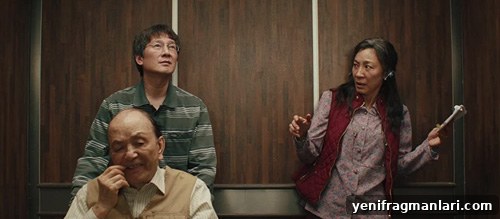
Daniel Kwan and Daniel Scheinert pushed multiverse storytelling into exhilaratingly strange territory while keeping the heart of the film centered on family.
Evelyn Wang (Michelle Yeoh) juggles a failing laundromat, a distant marriage, a fracturing relationship with her daughter Joy (Stephanie Hsu) and, unexpectedly, the fate of the multiverse.
The Daniels use a modest budget to produce wildly imaginative visuals and inventive dimension-jumping sequences, yet the emotional core—the story of a fractured family seeking connection—remains the film’s most memorable element.
1. The Quiet Girl
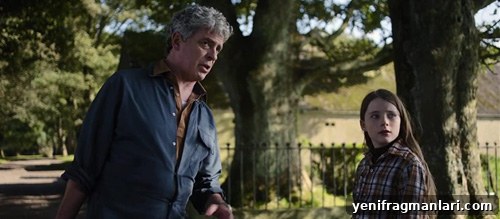
Tactile, humanist and quietly beautiful, Colm Bairéad’s Irish-language drama is essential viewing for its honesty and purity of feeling.
Nine-year-old Cáit (Catherine Clinch) is sent to her aunt Eibhlín’s (Carrie Crowley) farm to relieve pressure on her heavily pregnant mother. On the farm, Cáit discovers a more nurturing and stable way of life.
The Quiet Girl (An Cailín Ciúin) is modest in scale but abundant in wisdom and emotional truth. It reminds us that not everyone is equipped to parent well, that some caregivers reach their limits, and that many children suffer quietly not because their experiences are easily noticed but because they do not complain. Given the right environment and care, a child can flourish—this film’s small, unassuming moments, such as those shared between Cáit and her uncle Seán (Andrew Bennett), pierce the heart far more effectively than any grand, manipulative awards-seeking scene.
Here’s hoping for a creatively nourishing, original and exciting future for cinema—more films that take risks, more stories that centre human experience, and as many true film fans as possible keeping this art form alive and thriving.
Which films would you include on your end-of-year lists? Share your thoughts in the comments and follow The Film Magazine for more curated film coverage and thoughtful criticism.