
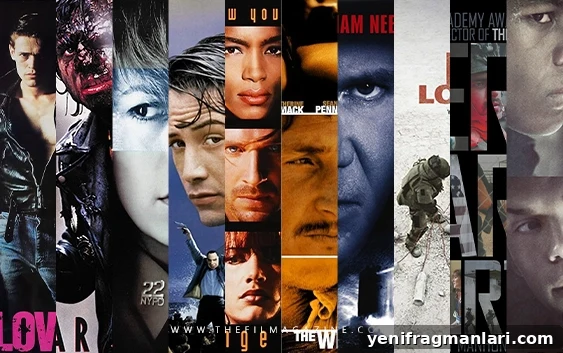
Some directors shape the course of cinema, and Kathryn Bigelow is one of those figures in English-language film. From her first feature in 1981 through to 2017, she has consistently delivered movies that are entertaining and tightly controlled, films that combine visceral spectacle with serious thematic weight. As the first woman to win the Academy Award for Best Director on her own, her place in film history is secure. While awards are a Western measure of success and other regions prize different honors, Bigelow’s achievement helped, however gradually, to shift long-standing barriers in an industry long dominated by men.
Born on November 27, 1951, and raised in San Carlos, California, Bigelow began her creative life as a painter, earning a Fine Arts degree in 1972. She later worked with composer Philip Glass before turning to cinema and earning a master’s degree from Columbia University. One of her early teachers was film critic Andrew Sarris, an advocate of auteur theory, which historically has focused more on male directors. Bigelow’s career stands as a powerful corrective to that bias.
After making the short The Set-Up in 1978, Bigelow directed her first feature a few years later and has rarely gone more than six years between films since. Her ten feature films have attracted notable performers including Jeremy Renner, Willem Dafoe, Jamie Lee Curtis, Keanu Reeves, John Boyega, Harrison Ford, Anthony Mackie, Liam Neeson, Jessica Chastain and others. Below is a ranking of her feature films, reflecting the range and evolution of a director who has moved fluidly between genres and styles.
10. The Loveless (1981)
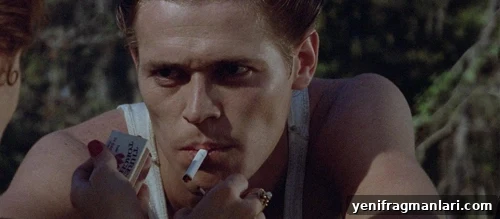
Co-directed and co-written with Monty Montgomery, The Loveless was Bigelow’s feature debut and an early starring role for Willem Dafoe. A study in leather bikers, punk music and small-town tensions, the film follows Dafoe’s Vance as he and his gang arrive in a sleepy town where a bike needs fixing. A romance with a diner owner’s daughter and escalating confrontations lead to an inevitable, bleak finale.
The Loveless bears many signs of a debut: a modest budget, a spare plot and uneven performances. Yet even within those limits Bigelow’s command of composition and movement is evident. Scenes feel choreographed rather than improvised, and the film’s melancholic mood and clear visual control point to a director finding her voice and promising greater work ahead.
9. The Weight of Water (2000)
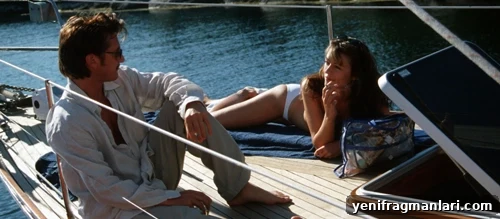
Adapted from Anita Shreve’s novel, The Weight of Water attempts to weave a modern marital drama with a historical murder mystery. With strong collaborators—actors such as Sean Penn and Ciaran Hinds and cinematographer Adrian Biddle—the film promises much visually and thematically. Unfortunately, the two timelines never cohere in a satisfying way. The historical thread offers the most intrigue, while the contemporary storyline functions largely as a framing device that fails to integrate fully into the central mystery.
Beautifully shot and competently acted, the film nonetheless suffers from structural weaknesses. It demonstrates Bigelow’s visual sensibility but lacks the narrative clarity needed to make both strands feel essential or memorable.
8. Blue Steel (1990)
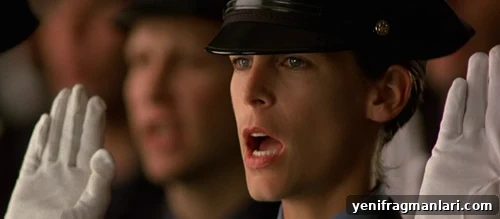
Blue Steel (sometimes titled Cold Steel) marked Bigelow’s first major foray into the thriller genre and introduced her knack for blending procedural detail with psychological tension. Jamie Lee Curtis plays Megan Turner, a rookie New York cop whose career is jeopardized after she shoots a suspect and is later drawn into a deadly cat-and-mouse game with a disturbed killer.
Stylistically the film borrows familiar thriller elements but Bigelow infuses them with energy and control. The relationship between Turner and the killer is blunt but compelling, and the film ultimately works as a sharply directed genre piece even if it doesn’t fully transcend its conventions.
7. K-19: The Widowmaker (2002)

Bigelow ventured into naval drama with K-19: The Widowmaker, a tense, claustrophobic story about a Soviet submarine suffering a reactor malfunction. With Harrison Ford and Liam Neeson in the cast, the film focuses on leadership, moral choices and the desperate human drama inside sealed metal walls.
Bigelow’s direction excels at building suffocating tension; the cramped quarters and rising stakes are convincingly rendered, and moments of personal conflict give the characters humanity. Still, the film follows a familiar formula and never quite breaks free to become truly distinctive—well-executed but not revolutionary.
6. The Hurt Locker (2008)

The Hurt Locker is widely regarded as Bigelow’s signature achievement. The film earned Best Picture and made her the first solo female Best Director Oscar recipient. It follows a bomb disposal unit in Iraq, starring Jeremy Renner and Anthony Mackie, and is notable for its tense set pieces and documentary-like handheld aesthetic.
The opening defusing sequence remains a standout for its nerve and cinematic composition. Bigelow’s handheld approach creates an immersive, sometimes voyeuristic atmosphere. The film has also been criticized for its portrayal of non-American characters and for long stretches that feel episodic rather than narratively cohesive. Still, its craftsmanship and intensity secured its place as a milestone in contemporary war cinema.
5. Zero Dark Thirty (2012)
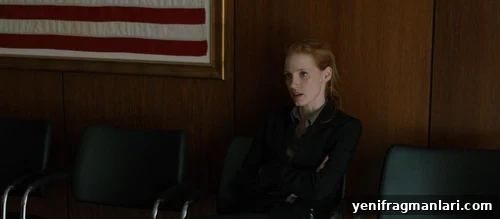
Zero Dark Thirty continues Bigelow’s exploration of post‑9/11 America with a procedural, tense account of the manhunt for Osama bin Laden. Jessica Chastain anchors the film as Maya, a driven intelligence officer whose single-minded pursuit drives the narrative. Bigelow balances large-scale operational set pieces with quieter, character-driven moments, and Chastain’s performance earned deserved recognition.
The film sparked controversy for its depiction of torture and for the implied role of certain interrogation methods in producing intelligence. Despite these ethical debates, Zero Dark Thirty demonstrates Bigelow’s ability to manage complex material with clarity and cinematic precision.
4. Detroit (2017)
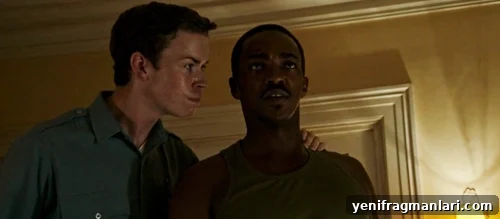
Detroit dramatizes the 1967 Algiers Motel incident, a dark episode of racial violence and police misconduct. With a strong ensemble including John Boyega, Will Poulter and Anthony Mackie, the film uses handheld immediacy to place viewers inside the motel’s terrifying sequence, where civilians are interrogated and abused in real time.
Bigelow’s staging of the central forty-minute sequence is a masterclass in escalation and sustained tension. Some critics felt the film foregrounded events over deep character development for a few figures, but the result is an unflinching, starkly effective depiction of racialized violence and institutional failure.
3. Point Break (1991)
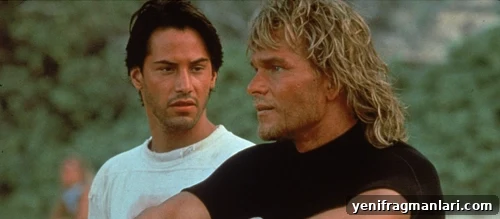
Point Break is the film that cemented Bigelow’s mainstream reputation: a high-energy, sun-drenched action picture in which Keanu Reeves plays an FBI agent who goes undercover to infiltrate a gang of surfer-bank robbers led by Patrick Swayze’s charismatic Bodhi. The movie blends adrenaline-fueled action with an oddly sincere romanticism about personal freedom and risk.
At once loud and playful, Point Break is a cult favorite for its daring stunts, kinetic editing and the chemistry between its leads. It may not possess the thematic depth of some of Bigelow’s later work, but it remains one of her most enjoyable and influential films.
2. Near Dark (1987)
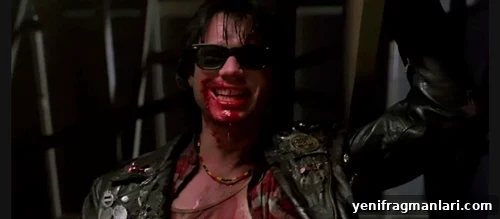
Near Dark is a southern gothic vampire road movie that blends youthful rebellion from The Loveless with sharper storytelling and richer character development. The film follows Caleb, who is turned by a nomadic vampire gang, and explores his moral struggle between newfound anarchic freedom and ties to family and humanity.
Dark, moody and beautifully shot, Near Dark showcases Bigelow’s range and her capacity to balance visceral horror with emotional stakes. Key sequences, including haunting moonlit images and a powerful cross-cutting scene as Caleb confronts his first killing, demonstrate the director’s command of mood and rhythm.
1. Strange Days (1995)
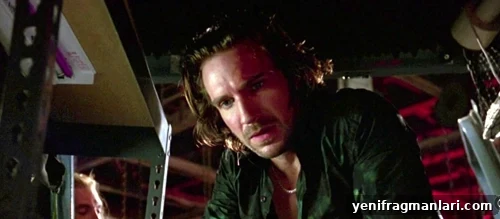
Strange Days remains one of Bigelow’s most ambitious and underappreciated works. Set around the turn of the millennium, the film centers on Lenny Nero, a dealer in illicit SQUID recordings that replay a user’s sensory experience. When Lenny encounters a tape documenting a violent crime, he becomes enmeshed in a conspiracy that threatens to unravel Los Angeles.
A striking example of cyberpunk cinema, Strange Days mixes gritty street-level realism with philosophical questions about memory, voyeurism and identity. With powerful performances from Ralph Fiennes, Angela Bassett and Juliette Lewis, and a script co-written by James Cameron, the film offers intense visuals, social commentary and an immersive noir atmosphere. Despite its commercial failure at release, Strange Days stands as Bigelow’s most complete and visionary achievement.
Kathryn Bigelow’s filmography demonstrates a rare combination of genre versatility and formal rigor. From punk-infused debuts to intimate war dramas and speculative cyberpunk, she consistently brings technical precision and moral intensity to her projects. Which of her films do you regard as her best work? Has Bigelow earned a place among the most influential filmmakers of her era?