
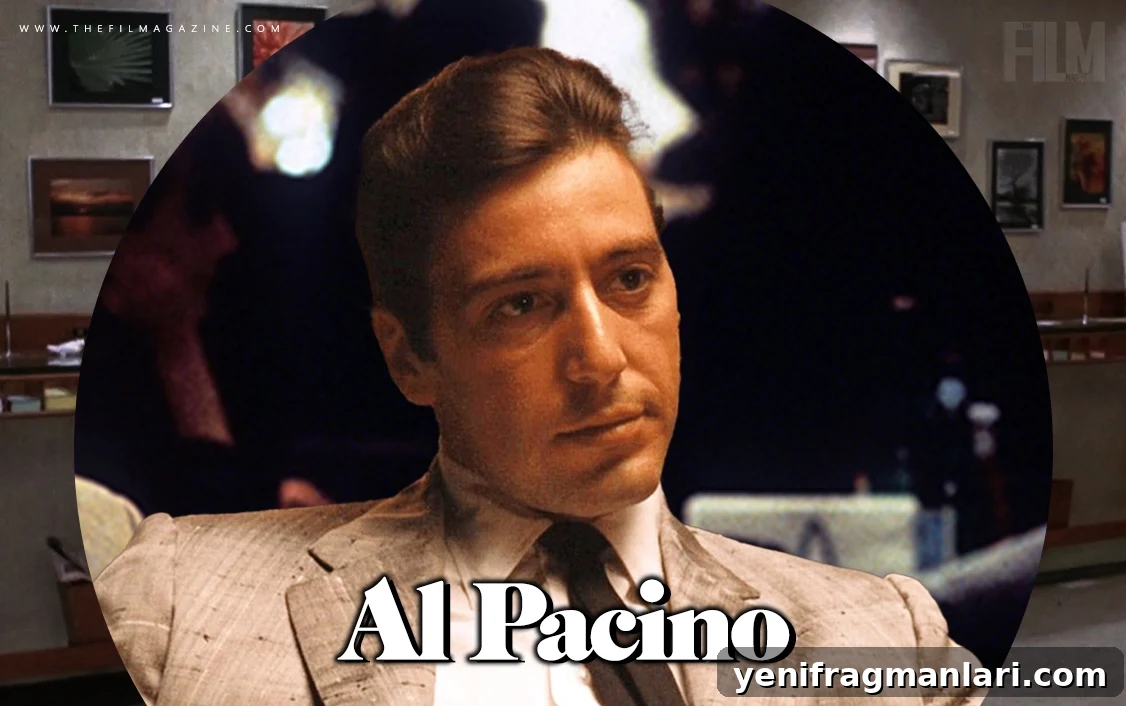
New York-born actor Al Pacino has given so much to cinema. Across more than fifty years, he has delivered some of the most memorable performances in film history. His presence on screen can be quietly devastating; occasionally a single stare from Pacino is more powerful than a lengthy speech. He has explored a wide range of characters, from anguished antiheroes to calculating crime figures, always bringing intensity, nuance, and a singular energy to every role.
Pacino’s early screen appearances hinted at a major talent. After a small role in Me, Natalie (1969), he drew attention with his starring turn in Jerry Schatzberg’s The Panic in Needle Park (1971). He re-teamed with Schatzberg two years later for Scarecrow (1973), where he starred opposite Gene Hackman. Both films embraced gritty realism and showed Pacino willing to tackle raw, unflinching material that illuminated the darker corners of 1970s America.
Sandwiched between those early films was the seismic success of The Godfather. While Needle Park turned heads, The Godfather changed trajectories: Pacino was catapulted to stardom and earned an Academy Award nomination for Best Supporting Actor. His portrayal of Michael Corleone established a powerful screen persona—calm, controlled, and quietly menacing—a figure he would continue to refine in later gangster classics like Scarface (1983), Heat (1995), and The Irishman (2019). Working alongside peers such as Robert De Niro, Pacino came to define a generation of crime cinema and attracted acclaimed directors across multiple decades, building one of the richest filmographies in Hollywood.
With nine Oscar nominations and an Academy Award win among his honors, selecting just three performances to represent Pacino’s career is difficult. Still, these choices illustrate the range and depth of his craft—each role highlighting a distinct facet of his talent.
1. The Godfather Trilogy (1972–1990)
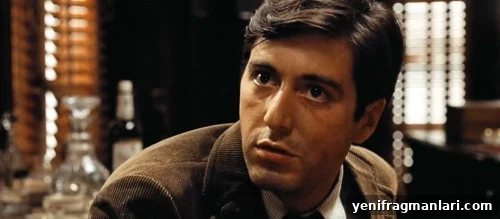
Al Pacino’s Michael Corleone across Francis Ford Coppola’s The Godfather trilogy remains one of cinema’s most iconic character arcs. The three films chronicle the Corleone family’s ascent and decline, tracing power, loyalty, and betrayal across decades. Pacino’s Michael begins as a reluctant outsider and slowly transforms into the ruthless head of a crime dynasty. It is a measured, devastating performance defined by restraint: the quiet moments often say more than the explosive ones.
In the first film, Pacino captures Michael’s moral conflict and chilling decision to embrace violence, famously signaled in the tense restaurant scene where he kills Sollozzo and McCluskey. In Part II, his performance grows colder and more calculating as Michael’s descent into isolation and paranoia deepens; private cruelty replaces public assertion. By Part III, Pacino depicts an older, wearier Michael haunted by regret and seeking redemption, adding emotional layers to a character shaped by compromise and loss. These portrayals together form a portrait only an actor of Pacino’s calibre could render so fully believable.
2. Dog Day Afternoon (1975)
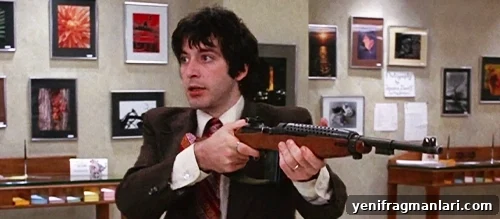
Dog Day Afternoon reveals a different side of Pacino’s strengths: volatility mixed with vulnerability. Directed by Sidney Lumet and based on a true story, the film follows Sonny Wortzik, a bank robber whose bungled heist in Brooklyn turns into a media spectacle. Pacino’s performance is electric—comic, frantic, and heartbreakingly human. Where Michael Corleone is controlled, Sonny explodes with emotion, and Pacino navigates that spectrum expertly.
The film opens with almost screwball energy as Sonny rushes through the bank, but Lumet and Pacino balance that fast-paced comedy with growing emotional depth. As the hostage situation unfolds, the motivations and personal struggles behind Sonny’s actions come into focus: love, desperation, and identity. Pacino finds the character’s humanity and earns sympathy for a man who could otherwise be dismissed as reckless. His portrayal anchors the film and turns a sensational headline into an intimate character study, demonstrating Pacino’s ability to humanize flawed people.
3. Heat (1995)
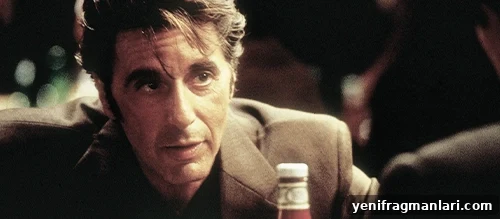
Heat, directed by Michael Mann, pairs Pacino opposite Robert De Niro in a modern crime epic that doubles as a character study. Pacino plays Vincent Hanna, an obsessive LAPD detective whose personal life frays under the pressure of his job. In the 1990s Pacino enjoyed a renewed period of form, and Heat showcases his mature, focused intensity. He portrays a man driven by duty and loneliness, giving the character a tangible urgency and emotional truth.
The film’s most famous sequence—the diner meeting between Hanna and De Niro’s master thief Neil McCauley—distills everything Heat is about: two professionals who understand each other better than anyone else, briefly sharing a human connection despite being adversaries. Pacino’s delivery in that scene is exacting: tough, empathetic, and aware of the larger moral terrain. It’s a performance that balances the procedural demands of a crime thriller with subtle, resonant human drama.
These three performances only scratch the surface of Pacino’s vast body of work. He has repeatedly elevated films with his presence—whether in Glengarry Glen Ross, Scarface, Scent of a Woman (his Oscar-winning role), Donnie Brasco, or The Irishman—leaving behind a legacy few actors can match. Al Pacino remains one of the most compelling and influential performers in cinematic history, a figure whose work continues to captivate audiences and inspire filmmakers.