
Taylor Swift: The Eras Tour (2023)
Director: Sam Wrench
Starring: Taylor Swift, Amanda Balen, Taylor Banks
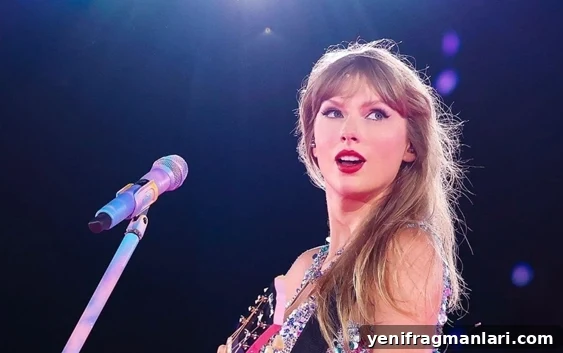
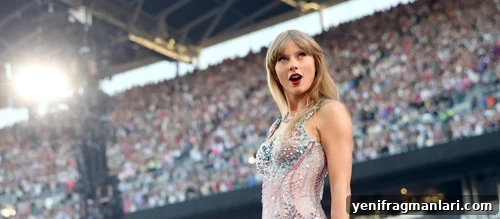
Taylor Swift’s The Eras Tour became a cultural phenomenon, with tickets selling out quickly and fans around the world clamoring for a chance to attend. For those who could not get to a live show, Swift and her team created a cinematic presentation filmed over three nights at the Los Angeles stop of the tour. Released in partnership with major theater chains, the concert film translated the live spectacle into a theatrical event, offering audiences who missed the arena experience a chance to feel the scale, emotion, and visual creativity of the show.
The concert film is structured as an exploration of Swift’s musical periods — or “eras” — tracing her artistic development from early country roots through pop reinventions and the introspective albums that followed. What might initially read as a simple concert film becomes a carefully staged, cinematic showcase: costumes, choreography, lighting design, and production elements combine to present Swift as both performer and storyteller. The three-night shoot makes it possible to capture moments from multiple angles while maintaining consistent energy and performance quality throughout the film.
The origin of the tour and the film traces back to the pandemic years, when planned live dates were canceled and Swift spent time writing and recording. Over that period she released several albums and began to imagine a tour that would celebrate every chapter of her career. In the film, Swift frames the concert as a journey through those chapters, moving from one aesthetic and sonic palette to the next and using visual cues to reinforce the emotional and thematic differences between albums.
Each era in the show carries its own tone and visual language. “Lover” opens with pastel hues, airy visuals, and romantic motifs that recall the album’s aesthetic. The staging and costume choices emphasize whimsy and warmth. When the show shifts to “Fearless,” the staging and Swift’s performance lean into acoustic textures and country-inflected gestures, with gold tones and more intimate band arrangements that echo her early-career persona. These transitions are theatrical as much as musical: Swift inhabits distinct characters and moments in time, using movement and posture to make each era feel like a discrete scene in a larger story.
Cinematically, the film privileges both wide spectacle and intimate detail. Panoramic shots capture the scale of the stadium and the choreography, while tighter camera work isolates Swift’s expressions and specific performance moments that might be missed from general admission seats. The editing stitches together performances from the three nights in a way that feels seamless, preserving the continuity of the concert while selecting the most dynamic takes. The film occasionally takes on a music-video sensibility through purposeful tracking shots and tight framing that highlight the emotional content of particular songs.
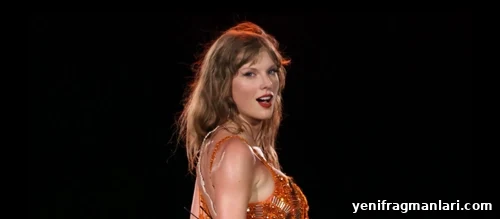
Lighting design plays a crucial role in defining the film’s texture. Strategic color palettes and dramatic shifts in illumination create moments that feel like performance art rather than a straightforward concert recording. For example, dominant reds underscore sections tied to particular albums, while stark spotlights and long shadows are used to isolate solo moments and underscore emotional lyrics. Choreographed blackouts and sudden lighting changes heighten dramatic beats and punctuate transitions between eras.
Beyond spectacle, the film also foregrounds Swift’s role as an author and narrator of her own work. Segments such as the “Folklore” portion are staged to emphasize storytelling: costume choices and stage details suggest a pastoral, storybook atmosphere, and Swift’s narration about her songwriting process offers context that deepens viewers’ appreciation for the material. These narrative windows give fans insight into creative choices while reinforcing the album-driven structure of the concert.
As a theatrical experience, The Eras Tour invites audience participation in ways most films do not. In the theater, viewers sing along, cheer, and react loudly, creating communal energy that echoes the live concerts. That shared reaction becomes part of the appeal — a reason many chose to see the film on the big screen rather than wait for a streaming release. The result is a social, celebratory event that blends the immediacy of live performance with the clarity and artistry of cinema.
Ultimately, The Eras Tour succeeds both as a document of a major live event and as a crafted cinematic experience. It showcases Taylor Swift’s range, her command of spectacle, and her capacity to shape narrative through music and performance. For fans and newcomers alike, the film offers a polished, emotionally resonant window into one artist’s evolving career and the communal joy of a live audience.
Score: 23/24
Rating: 5 out of 5.