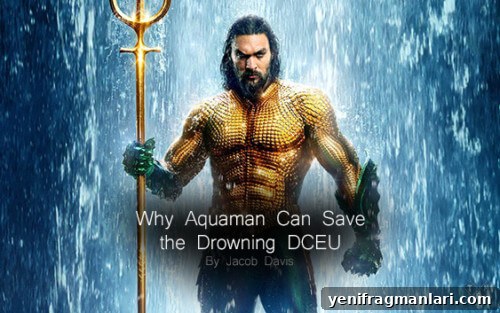
Aquaman and the DCEU: A Fresh Direction for DC’s Cinematic Universe
I don’t think it’s unreasonable to keep comparing the DC Extended Universe (DCEU) to the Marvel Cinematic Universe (MCU). For several years the comparison has been a measuring stick: financially, artistically, and in audience response. Most DCEU entries have landed with mixed reviews at best, with very few clear critical hits. Even the better-received efforts are far from flawless. After the disappointing performance of Justice League, DC shifted toward standalone projects and rethinking its franchise approach. High-profile characters like Batman and Superman have been recast or sidelined, and the ambitions of the so-called Snyder-era now feel uncertain. In that context, Aquaman exceeds expectations in meaningful ways and points toward possibilities that could help DC escape constant comparison to Marvel.
Deepening the World: Mythology and Culture
One of Aquaman’s greatest strengths is how it expands the DCEU’s mythology. If you’ve seen films like Wonder Woman and Justice League, you already know that DC’s worldbuilding rests on rich, long-running mythologies: the Amazons, Old Gods, New Gods, and Atlanteans. Aquaman builds on that foundation by introducing multiple underwater kingdoms, exploring Atlantis’s history and legends, and depicting cultural details such as arena battles and entrenched prejudices between different societies. These cultural touches—costume design, ceremonial armor, and regional differences—give the film texture and make the underwater world feel lived-in. The variety of cultures beneath the sea also creates fertile ground for new characters and conflicts that can sustain future films or series.
There’s also an opportunity for DC to use period settings. Movies set earlier in this expanded timeline—stories that take place before Wonder Woman or during other historical moments—could offer fresh narratives while remaining recognizable to fans. Exploring the past of these mythic societies would allow DC to both diversify its cinematic slate and deepen the sense of a coherent, interwoven universe.
Memorable Villains and Ongoing Stakes
Aquaman benefits from a measured approach to antagonists. One common complaint about many superhero franchises is that villains are introduced, defeated, and effectively erased, which drains long-term stakes. By contrast, the film keeps its antagonists distinct and consequential. Black Manta and Orm are presented with clear motives and have the potential to return, scheme, and complicate future stories. That continuity matters: when villains can come back with new plans or alliances—imagine rivalries forming between power players in Atlantis and villains operating on the surface—the universe feels more dynamic and alive.
Action with Weight: Blockbuster Scale and Emotional Stakes
Director James Wan proves adept at staging large-scale set pieces without losing emotional clarity. The climactic conflict isn’t just a parade of faceless enemies or endless explosions—there are two forces fighting for survival and dominance, each with their own reasons. When Aquaman confronts monstrous sea creatures or clashes with Atlantean forces, the audience senses the moral and cultural stakes at play. He isn’t simply punching robots or swatting generic henchmen; he’s intervening in a civilizational conflict that forces him to choose between loyalties and principles. That gives the spectacle real weight.
The Core of the Film: A Relatable Hero
At its heart, Aquaman succeeds largely because its protagonist is someone audiences can root for. He’s fundamentally decent; he acts to protect people because it’s the right thing to do, not because he craves power or glory. He resists the throne not out of cowardice but out of a sense of responsibility—he doesn’t want to rule simply for the sake of ruling. Importantly, he avoids needless violence and excessive killing; that restraint helps the audience empathize with his choices and hope for his success. When viewers care about a hero, their investment makes the story emotionally satisfying, which is a basic requirement for any successful superhero film.
Flaws, but Forward Momentum
No movie is without flaws, and Aquaman has its share: tonal inconsistencies, occasionally indulgent set-pieces, and elements that could have been tightened in the editing room. Yet the film’s successes outweigh its shortcomings. It’s an enjoyable, confident picture that points the DCEU in a healthier direction—one that emphasizes myth, character, and continuing stakes over mere spectacle. If DC leans into the mythological richness that worked for both Wonder Woman and Aquaman, there’s real potential for a distinctive slate of films that feel both epic and emotionally grounded.
The competition from Marvel will remain intense; their machine shows no sign of slowing. That said, now is an ideal moment for DC to capitalize on what worked with these recent films: build recurring villains, develop the underwater kingdoms and other mythic cultures, and keep telling character-first stories. Iconic heroes like Batman and Superman deserve better entries than they’ve received in recent years. By sharpening its worldbuilding and focusing on motivated characters and durable antagonists, DC can carve out its own identity in the modern superhero landscape.