
Border (2018)
Director: Ali Abbasi
Screenwriters: Ali Abbasi, Isabella Eklof, John Ajvide Lindqvist
Starring: Eva Melander, Eero Milonoff, Jorgen Thorsson, Ann Petren, Sten Ljunggren
Border (2018), directed by Ali Abbasi and adapted from a short story by John Ajvide Lindqvist, is a haunting, unforgettable film that fuses folklore with contemporary life. At its heart is Tina (Eva Melander), a customs officer who has always believed she is socially and biologically different. The film gradually reveals that Tina is not merely unusual—she belongs to an ancient, persecuted species. When Vore (Eero Milonoff), a mysterious man with similar traits, passes through customs, Tina’s carefully contained identity begins to shift. This discovery drives the narrative into a dark examination of identity, belonging, and the human capacity for cruelty.
Films that blend ancient myths with modern settings often linger in the mind, and Border excels at this. The story asks what happens when invisible, older worlds reassert themselves in a rational, modern society. Unlike some films of magical realism that leave you unsure whether the magic is real or a coping mechanism, Border leans toward the literal: the mythic creatures and their experiences are real within the film’s universe. That choice intensifies the moral and emotional stakes.
The prosthetic artistry and makeup are remarkable and integral to the film’s success. Over twenty artists collaborated to transform Melander and Milonoff into Tina and Vore, and the result preserves the actors’ emotional expressiveness. The design intentionally allows movement in parts of each face so micro-expressions can communicate the characters’ inner lives: a twitch of Tina’s upper lip or the shift from Vore’s gentle smile to a threatening snarl adds depth and nuance to scenes that might otherwise rely solely on visual shock.
One of the film’s most talked-about sequences—its intimate scene between the trolls—serves more than provocation. Though the scene is unconventional and unsettling, it functions narratively as a pivotal moment of self-discovery and acceptance for Tina. Rather than gratuitous, it is a transformational beat that clarifies character motivation and underscores the story’s themes of otherness and intimacy.
Humanity is portrayed harshly in Border. The film suggests that modern civilization has driven older beings underground, subjecting them to persecution, experimentation, and marginalization. Tina’s personal life reflects these societal failings: she endures emotional abuse from the man she lives with and confronts the painful secrets surrounding her adoption and family history. Her father, played by Sten Ljunggren, lives with dementia and withheld truths about her past, further isolating Tina and intensifying her longing for a place where she truly belongs.
The narrative becomes increasingly dark as Tina learns more about Vore’s intentions and the broader resentment that ancient species feel toward humanity. Border does not shy away from depicting retribution and moral ambiguity. Vore represents a radical response to centuries of oppression, while Tina embodies the internal conflict between the yearning for belonging and the impulse to reject vengeance on moral grounds. This tension drives the film toward an unsettling, morally complex climax.
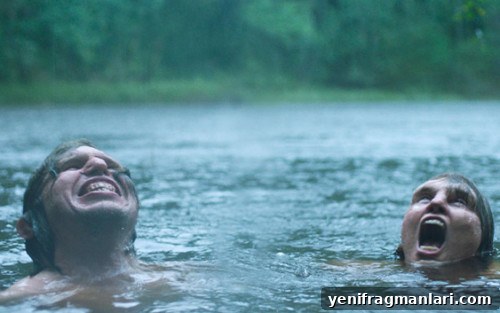
Despite the grim subject matter, Border balances horror with moments of natural beauty and poignant quiet. The film often shifts focus to the natural world—foxes, deer, and the sea—reminding viewers that not all life is hostile or corrupt. A memorable scene of Tina and Vore swimming in a storm conveys a rare sense of freedom and joy: they laugh and cling together while lightning seems drawn to them, creating a strange but moving image of belonging and release. These quieter sequences provide relief and humanize creatures the film otherwise frames as ancient and alien.
Border resists tidy categorization. It is at once grotesque and beautiful, brutal and tender, mythical and grounded. Its story reads like an old folktale rewritten for a modern, cynical world: the monsters under the bridge are no longer the fearsome entities of children’s stories—instead, humans often act as the true monsters. This reversal forces viewers to reconsider familiar moral narratives and to ask where empathy should lie in a world built on exploitation and secrecy.
Ali Abbasi’s direction, combined with strong performances and striking production design, creates a film that lingers after the credits roll. Border invites reflection on who gets to belong, what is lost when entire ways of life are erased, and how fragile identity can be when shaped by secrecy and social rejection. It is an evocative, unsettling piece of cinema that repays careful attention and will stay with you long after you’ve left the theater.
21/24