
Ruben Östlund’s social satire Triangle of Sadness has been awarded the Palme d’Or, the highest honour at the Cannes International Film Festival.
At an awards ceremony held in the Grand Lumière theatre on Saturday 28 May 2022, Swedish director Ruben Östlund joined an exclusive group of filmmakers who have won the Palme d’Or twice. This achievement places him alongside cinematic luminaries such as Francis Ford Coppola, Michael Haneke and Ken Loach; Östlund is only the ninth director in Cannes history to take the prize twice.
Speaking after receiving the prize, Östlund reflected on cinema’s communal nature. “We all agree that the unique thing about cinema is that we watch together,” he said. “Films should give us something to talk about, but they should also entertain us and make us laugh.”
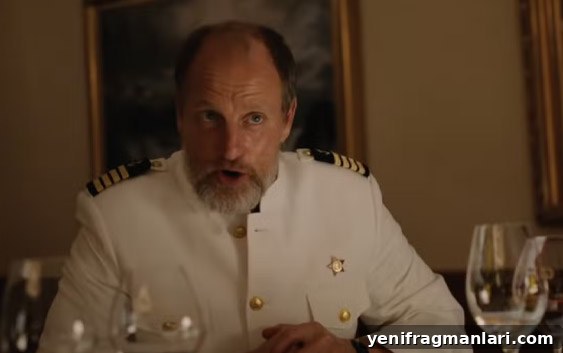
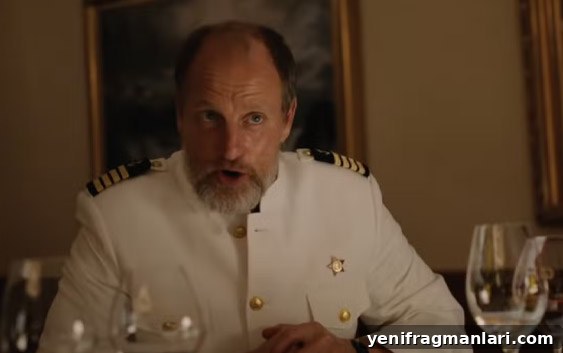
Triangle of Sadness stars Woody Harrelson as a yacht captain with Marxist sympathies whose mishandling of a luxury cruise strands a group of ultra-wealthy passengers on a remote island. The film continues Östlund’s exploration of class, power and social absurdity in a darkly comic vein similar to his previous Palme d’Or winner, the 2017 satire The Square, which followed a museum curator navigating scandal and controversy.
The Palme d’Or was decided by a nine-member international jury chaired by French actor Vincent Lindon. The jury included established filmmakers and actors from across the globe who brought diverse perspectives to the selection process. Their collective decision recognized Östlund’s trenchant social commentary and stylistic boldness.
Although Östlund took the festival’s top honour, the Best Director prize went to South Korean filmmaker Park Chan-wook for his work on the murder mystery Decision to Leave. Park’s award acknowledged his meticulous craftsmanship and the film’s emotionally resonant pacing and imagery.
The Grand Prix, Cannes’ second-highest award, was given to two films in a joint decision: Claire Denis’ Stars at Noon and Belgian director Lukas Dhont’s Close. Denis’ film, a tense romantic thriller set against the backdrop of 1980s Nicaragua, features a cast that includes Joe Alwyn, Margaret Qualley and John C. Reilly. Close is a sensitive coming-of-age drama that tracks the evolving bond between two thirteen-year-old boys as they confront responsibility, friendship and grief.
Acting honours at this year’s festival highlighted a range of powerful performances. South Korean star Song Kang-ho, widely recognized for his role in Parasite, won Best Actor for his portrayal of a father figure in Broker, a film directed by the acclaimed Hirokazu Kore-eda. Zar Amir Ebrahimi was awarded Best Actress for her performance as an investigative journalist in Holy Spider, a gripping drama that examines religion, violence and the role of the press.
Screenwriting recognition went to Swedish-Egyptian filmmaker Tarik Saleh for the Cairo-set thriller Boy from Heaven, an intense political drama celebrated for its intricate plotting and atmospheric sense of place.
The Jury Prize was shared by The Eight Mountains, directed by Charlotte Vandermeersch and Felix van Groeningen, and EO, directed by Jerzy Skolimowski. Both films were praised for their distinctive voices: The Eight Mountains for its lyrical exploration of friendship and landscape, and EO for its humane, allegorical treatment of animal consciousness and human cruelty.
To mark the festival’s 75th anniversary, the jury awarded a special prize to Tori et Lokita, directed by Jean-Pierre and Luc Dardenne, recognizing the film’s compassionate storytelling and social urgency.
The Caméra d’Or, which honors the best first feature at Cannes, went to the debut film War Pony, directed by Riley Keough and Gina Gammell. This award celebrated a strong and authentic new cinematic voice. A special mention in the first-film category was given to Plan 75, directed by Chie Hayakawa, acknowledging its thoughtful approach to social issues.
In addition to the competitive awards, the festival presented an Honorary Palme d’Or to veteran actor Forest Whitaker, recognizing his long and varied career and his contributions to global cinema.
The 2022 Cannes selections and winners underscored the festival’s continued commitment to challenging, conversation-starting films from a wide range of countries and filmmaking traditions. From social satire to intimate human dramas and ambitious debut features, this year’s roster offered audiences provocative stories and memorable performances that will resonate well beyond the Croisette.