
Sunset Boulevard (1950)
Director: Billy Wilder
Screenwriters: Charles Brackett, Billy Wilder, D. M. Marshman Jr
Starring: William Holden, Gloria Swanson, Erich von Stroheim, Nancy Olson
Released more than seven decades ago, Sunset Boulevard remains one of the most enduring and influential films of Hollywood’s Golden Age. Directed by Billy Wilder and written by Wilder, Charles Brackett and D. M. Marshman Jr., the film has earned lasting recognition for its bold storytelling, sharp social commentary and unforgettable performances. It has been preserved for its cultural and historical importance and has undergone careful digital restoration to ensure future generations can experience it as intended.
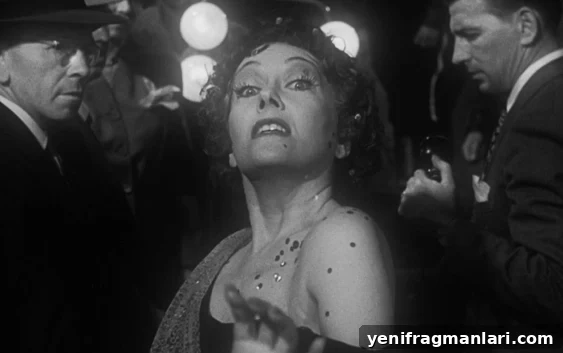
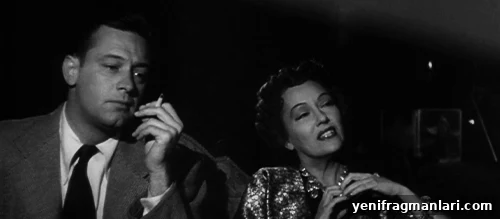
Sunset Boulevard opens on the iconic Los Angeles thoroughfare that shares its name with the title. The plot follows Joe Gillis (William Holden), a down-on-his-luck screenwriter who spirals into a complicated relationship with Norma Desmond (Gloria Swanson), a faded silent-film star living in a decaying mansion on Sunset Boulevard. When Norma discovers Joe’s profession, she hires him to help polish a script she has written for a triumphant return to the screen, a project she calls “Salome.” The story explores the collision of ambition and delusion, and it includes a striking cameo by the real-life director Cecil B. DeMille playing himself.
The characters are the film’s beating heart. Joe and Norma are rendered with depth and nuance, evolving from archetypes into fully realized figures whose interactions feel both sharply drawn and heartbreakingly human. William Holden and Gloria Swanson deliver career-defining performances: Holden’s weary cynicism and Swanson’s grand, haunted vulnerability create a magnetic dynamic that anchors the film’s darker themes. Supporting performances, including Erich von Stroheim as Norma’s loyal butler and former director, add texture and resonance to the story.
Visually, the film is a masterclass in black-and-white cinematography. John F. Seitz’s shadow-rich lighting and meticulous framing contribute to an atmosphere that is at once glamorous and decayed. The memorable opening sequence and its technical ambition demonstrate how carefully crafted imagery can reinforce narrative themes—here, the boundary between illusion and reality. The aesthetic aligns the film with classic American film noir: low-key lighting, dramatic contrasts and a visual language that reflects moral ambiguity and disillusionment.
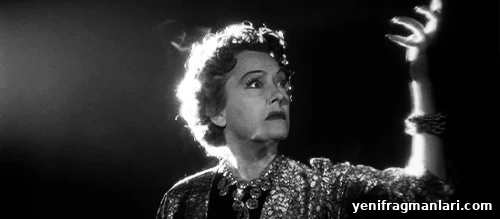
Despite its often bleak portrait of the industry, Sunset Boulevard weaves dark humor throughout its narrative. That balance keeps the film compelling from its opening moments to its final frames. The picture is also a thoughtful reflection on a pivotal technological shift in cinema: the transition from silent film to sound. The movie examines the human cost of that revolution—the careers damaged, the dreams deferred, the identities reshaped—rendering that historical change in personal, emotional terms rather than as mere industry trivia.
Films about filmmaking have long intrigued directors and audiences, and Sunset Boulevard stands as a foundational example of the form. Its insight into the machinery and mythology of Hollywood remains sharp and relevant. The film’s critique of fame, its exploration of memory and nostalgia, and its examination of power and exploitation in creative industries still resonate with contemporary viewers. The struggles of a working writer captured in the film continue to echo modern concerns about creative labor and recognition.
More than a period piece, Sunset Boulevard is a layered work that rewards repeated viewings. Each rewatch reveals fresh details in performance, composition and subtext. Billy Wilder crafted a movie that operates as satire, melodrama and moral fable, and its influence traces through decades of cinema that followed. It is both a product of its era and a timeless meditation on the price of fame and the illusions that sustain it.
Score: 24/24
Written by Clotilde Chinnici
Support the author:
Portfolio: Clotilde Chinnici
Twitter: @filmswithcloe