

Parasite cemented itself in our cultural canon as a contemporary classic faster than perhaps any other recent film. Director Bong Joon-ho’s darkly comic dissection of class in South Korea became a record-breaking phenomenon, earning the Academy Award for Best Picture as the first non-English language film to do so, along with awards for Best Director, Best Original Screenplay, and Best International Feature. Its success broadened Western interest in Korean cinema and television, paving the way for shows like Squid Game to reach global audiences. While plot twists can lose their shock after multiple viewings, Parasite reveals fresh layers on each rewatch, showcasing the meticulous craft behind Bong’s storytelling.
To celebrate the film’s memorable moments, The Film Magazine revisits the 10 best scenes from Parasite. Below are the highlights that shaped the movie’s emotional impact, narrative turns, and unforgettable tone.
Follow @thefilmagazine on Twitter.
10. Min Gives Ki-woo the Rock
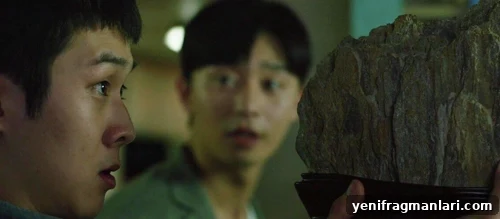
What begins as a small, thoughtful gesture quickly accrues symbolic weight for the Kim family. When Ki-woo’s educated friend Min arrives unexpectedly, he brings a scholar’s rock, an unusual but meaningful gift said to symbolize fortune and future prosperity. Kim Ki-taek immediately analyzes it, revealing his habit of demonstrating knowledge across subjects, while Ki-woo blurts out the now-famous line, “This is so metaphorical!”
The rock functions on multiple levels: it represents hope and luck, it marks the opportunity that brings Ki-woo into the Park household as a tutor, and, later, it becomes a literal instrument of the family’s undoing. The object’s journey from symbolic charm to violent prop underscores the film’s interplay between aspiration and consequence.
9. Meeting Jessica
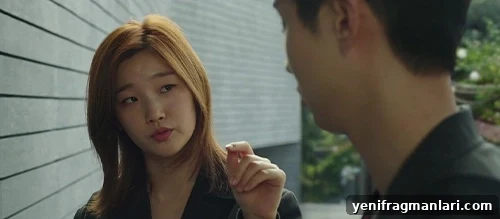
A brief clip that circulated widely during awards season, this moment is small but indelible. Ki-jung arrives at the Park house to interview for the role of Da-song’s art tutor and briefly assumes the persona her brother invented: “Jessica from Chicago.” She hums a tune to steady herself, transforming a nervous lie into playful performance.
This scene reminds viewers that, beneath the political satire and bursts of violence, Parasite is also a black comedy. The sibling con is presented as a game—one the Kims take pleasure in despite its necessity. Their laughter at later dinner scenes and Ki-jung’s admission that she “Googled art therapy” highlight how much the family enjoys the cleverness of their deception.
Recommended for you: Every Non-English Language Best Picture Nominee Ranked
8. Respect
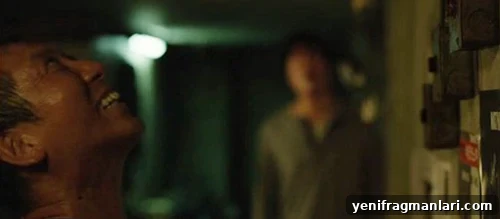
Geun Se’s presence emerges late in the film, yet spend any time in his subterranean world and his character becomes fully formed through short, potent scenes. One revealing moment shows that the lights above the Park family’s stairs are not sensor-activated but manually switched each night by Geun Se as an act of devotion to Mr. Park. Ki-taek watches in stunned fascination at the rituals of a man who has lived in isolation for years.
Geun Se’s literal and emotional servitude—his ritualized respect—illustrates how far someone can go when trapped by circumstance and gratitude. It’s chilling, sympathetic, and crucial for understanding his later actions.
7. Ki-taek’s Letter, Ki-woo’s Plan
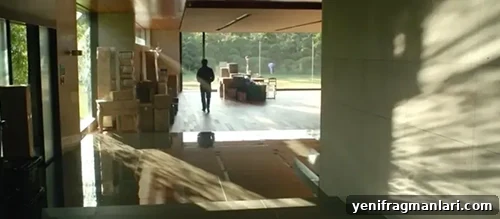
The film’s final sequence can feel like a prolonged coda, yet its closing minutes offer a fragile strand of hope. Sitting outside the house that changed their lives, Ki-woo notices lights flashing in morse code, revealing the location of Ki-taek. The discovery exposes the cost of their deception and gives a sense of what has transpired in the years since the central events.
Ki-woo responds with a written plan—an imagined future where he earns enough to buy the house and reunite his family. The sunlit reverie is filmed so convincingly that the audience is invited to believe in it briefly before reality pulls back. The scene anchors the film’s emotional ambiguity: hope exists, but whether it’s attainable remains uncertain.
6. No Plan
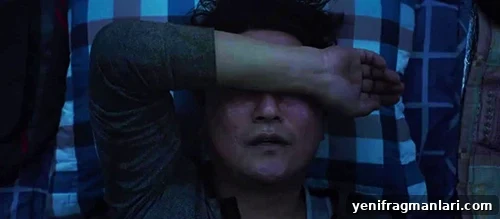
From the start, Kim Ki-taek is portrayed as a man who values planning and strategy. The Kims are always plotting their next move, yet an onslaught of unpredictable events gradually wears down that resolve. During a desperate moment when rain and chaos strike, Ki-taek’s composure begins to crumble.
Later, in a gym shelter after the flood, Ki-taek tells Ki-woo, “You know what kind of plan never fails? No plan.” This line marks a turning point: he relinquishes control and accepts a kind of surrender, foreshadowing the impulsive choices that define his actions later at the garden party.
Recommended for you: Where to Start with Bong Joon-ho
5. A Tense Car Ride
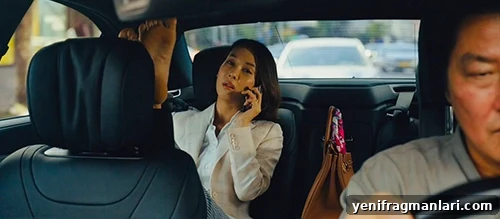
A simple domestic moment—a driver ferrying his employer—turns into a concentrated study of class difference. Mr. Kim dutifully follows Mrs. Park as she casually plans an elegant garden party, seemingly oblivious to the Kims’ recent trauma after the flood. Her light-hearted comment about the “blue sky and no pollution thanks to the rain” crystallizes the divide between the households: for the Parks, rain is an inconvenience; for the Kims, it has devastated their home.
The scene’s most cutting beat comes when Mrs. Park crinkles her nose at an odor and instinctively opens the car window. The moment strips away the illusion of warmth and reveals the social gulf that Mr. Kim can no longer ignore.
4. What the Hell Is Ram-Don?
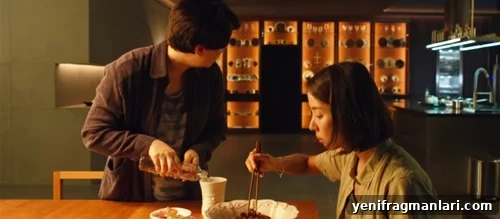
A ticking clock drives some of the film’s most suspenseful moments, and this sequence ramps tension to near-unbearable levels. The Parks’ trip is canceled because their campsite is flooded, and they’ll be home in eight minutes. The Kims have spent the night treating the house as their own, and now must rapidly restore order and hide the people they’ve been concealing.
Chung Sook must prepare an unfamiliar dish—ram-don—in a race against time. Bong and his cinematographer accelerate the pace with fast cuts and clever visual devices, including body doubles for rapid hand movements in the cooking shots. The chaotic energy culminates in a shocking blow to Moon-gwang that propels the story into its final act.
3. A Garden Party to Remember
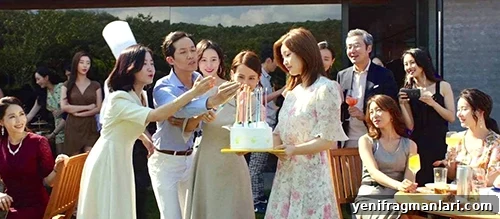
The garden party sequence is the film’s most shocking and devastating moment. In a brief span, it delivers multiple deaths, each driven by different motives—revenge, self-defense, and humiliation—yet all connected by the pressures the characters endure.
Geun Se attacks to avenge his wife, Chung Sook defends her child and herself, and Ki-taek reacts violently after Mr. Park expresses disgust at another character’s smell. The scene’s brutality forces viewers to reassess empathy and culpability, and it reshapes the narrative’s moral landscape.
Recommended for you: Bong Joon-ho Films Ranked
2. The Staircase Reveal
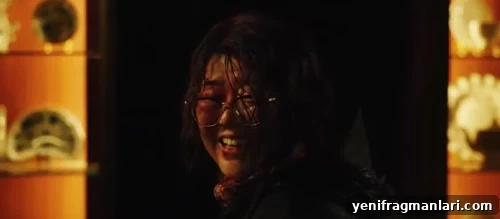
Halfway through, Parasite pivots from black comedy to psychological thriller with a masterful reveal. Moon-gwang, the former housekeeper, returns claiming she forgot something and, drenched from the rain, rushes into the house toward the basement. A long, continuous take follows as Chung Sook descends into the lower levels and discovers a hidden door opening onto a bunker.
The camera tracks the women down a spiral of stairs to the shocking discovery: Moon-gwang’s husband, Geun Se, has been living in secret beneath the Park home. The sequence is exemplary filmmaking and changes the film’s trajectory and the stakes for every character involved.
1. The Peach Montage
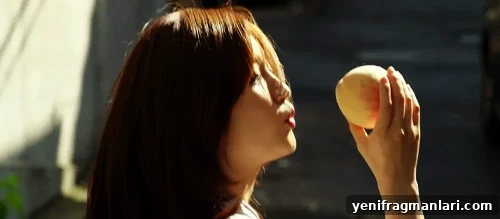
The peach montage is one of Parasite’s most iconic sequences. After learning that Moon-gwang is allergic to peaches, Ki-woo and Ki-jung devise a clever ploy to eliminate the last impediment to their goal of securing positions with the Parks. What follows is dark, conniving, and darkly funny.
From the shot of Ki-jung leaving the store with a peach to Ki-woo coaching his father through a rehearsed monologue, the montage reveals the family’s theatricality, resourcefulness, and willingness to risk everything for advancement. It crystallizes their unity and ambition, while Jung Jae-il’s score intensifies the scene’s mounting momentum.
Written by Rehana Nurmahi
Recommended for you: Windows Into Bong Joon-ho’s ‘Parasite’
You can support Rehana Nurmahi on social platforms: Twitter @Han_notsolo, Letterboxd hana_banana97, Portfolio Authory (Authory profile).