
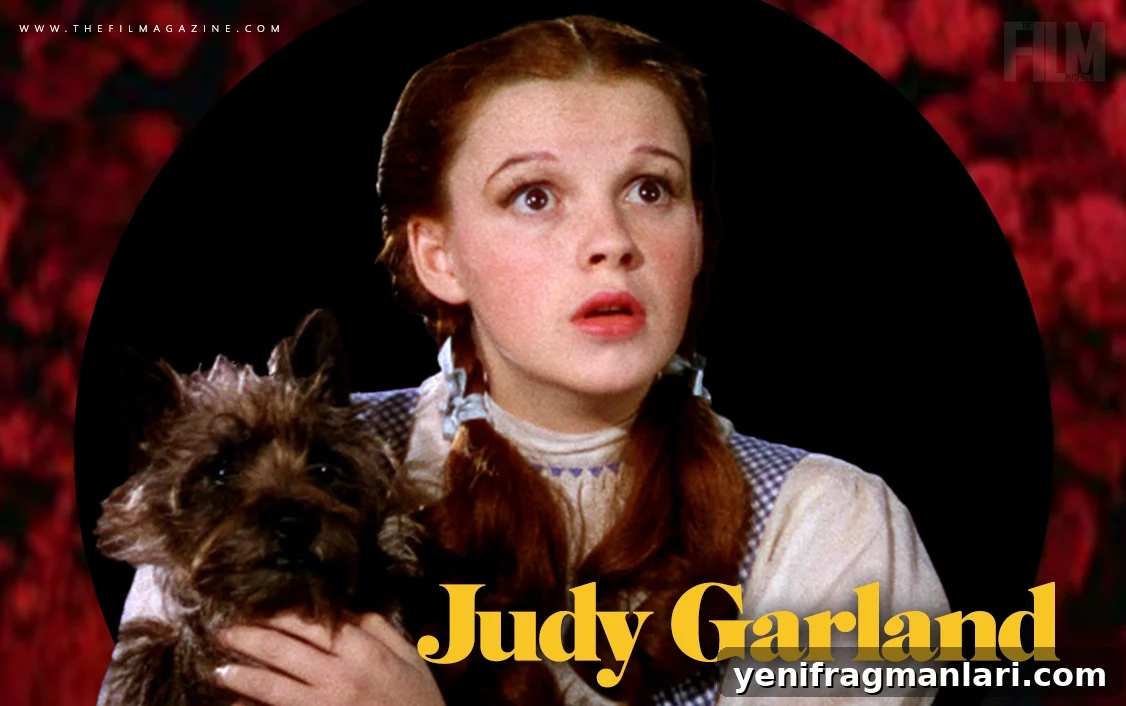
When Judy Garland performed, her gaze seemed to reach beyond the camera, beyond the set and the stars. Her arms often rose like a storyteller’s, reaching for something unseen. She seized songs and stories and breathed life into them with a rare, magnetic presence. That gift is why audiences flocked to see her.
Born Frances Gumm in a small Minnesota theatre on June 10, 1922, she was raised by parents who had performed in vaudeville and quickly followed them onto the stage. She debuted at two-and-a-half years old and, by her own account, felt she was “born at the age of twelve on an MGM lot.” In 1935, without a screen test, she signed a contract with MGM—and Frances Gumm became Judy Garland.
During her adolescence, Garland’s rosy cheeks, vulnerable tone and remarkable emotional intelligence propelled her to fame. Her doe-eyed charm helped songs from films like Broadway Melody of 1938 become hits. Pairings with Mickey Rooney added popular successes and reinforced an image of youthful romance. But it was the musical comedy Everybody Sing (1938) that positioned her for the defining role of her career: Dorothy, the Kansas girl with big dreams. Garland entered adulthood holding a special juvenile Academy Award—a signal of how audiences and Hollywood valued her talent.
The 1940s brought a steady stream of screen work—Ziegfeld Girl (1941), Meet Me in St. Louis (1944) among them—and, after generating more than $100 million for MGM, Garland was released from her contract early. She took a break from films and later returned with a career-defining performance in A Star Is Born (1954), a film that would cement her status as a major dramatic and musical force.
Garland’s life was marked by hardship as well as success. The studio system subjected her to strict diets, relentless scrutiny about her appearance, and prescription stimulants to maintain long workdays on set. Those experiences took a severe personal toll, yet they never diminished her determination to give everything to an audience. Her resilience and deep emotional reserve remained at the center of her art throughout her life.
In later years Garland proved her range in more restrained dramatic work, notably Judgement at Nuremberg (1961). Despite medical warnings about stress, she continued to perform, producing a best-selling live album recorded at Carnegie Hall in 1961 and numerous television appearances. Her final film, the semi-autobiographical I Could Go On Singing (1963), showcased the inseparability of her life and art. Garland died in 1969 at the age of 47, leaving behind a legacy of unforgettable performances.
Judy Garland once famously said, “I’m a woman who wants to reach out and take 40 million people in her arms.” Her career made clear that it was never only about perfect pitch or precise technique—it was about conveying feeling so directly and honestly that audiences felt embraced. The three films below exemplify the career-defining performances that secured her place in musical and cinematic history.
1. The Wizard of Oz (1939)
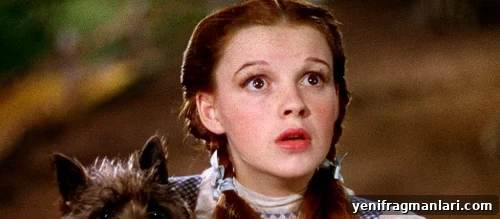
The Wizard of Oz introduced Judy Garland to a generation. In this Technicolor fantasy directed by Victor Fleming, Garland’s Dorothy Gale became the embodiment of innocence, courage and longing. As a Kansas farm girl swept into the strange world of Oz, Dorothy’s blend of childlike wonder and surprising emotional maturity made Garland a household name and an enduring symbol of Hollywood’s golden era.
The story follows Dorothy as she navigates the colorful dangers of Oz, meets the Scarecrow, Tin Man and Cowardly Lion, and journeys to the Emerald City to seek the Wizard’s help to return home. Garland’s vulnerability—and the warmth she extended to the characters around her—grounded the film’s spectacle. Her voice, expression and physical performance created a heroine both tender and wise beyond her years, earning Garland a special juvenile Academy Award at 17 and long-lasting commercial success.
2. Meet Me in St. Louis (1944)
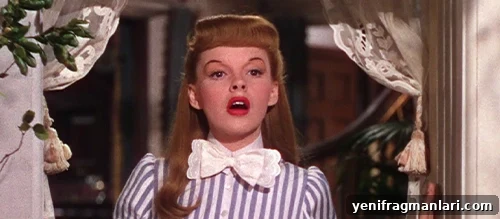
Meet Me in St. Louis allowed Garland to deepen her screen persona and display romantic maturity. Directed by Vincente Minnelli and set in 1903 Missouri, the film centers on the Smith family as they anticipate the World’s Fair. Garland plays Esther Smith, a loving sister and a young woman navigating first love and family loyalty.
Under Minnelli’s luminous direction, Garland’s Esther balances playful flirtation with genuine emotional depth. Musical highlights like “The Trolley Song” capture youthful exuberance, while “The Boy Next Door” and the now-classic “Have Yourself a Merry Little Christmas” reveal a poignant tenderness. Her scene singing to the distraught Tootie remains one of the film’s most memorable and emotionally resonant moments, confirming Garland’s skill in blending vocal finesse with dramatic nuance.
3. A Star Is Born (1954)
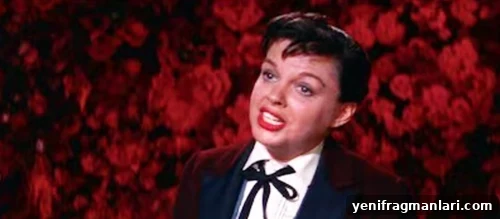
A Star Is Born marked Judy Garland’s triumphant comeback. After professional setbacks and personal struggles in the early 1950s, she returned with a role that mirrored elements of her own life. Playing Esther Blodgett, an aspiring singer discovered by a fading star, Garland navigates the dizzying ascent to fame and the painful costs that often accompany it.
Directed by George Cukor and featuring demanding musical numbers alongside intense dramatic scenes, the film gave Garland room to display both technical mastery and raw emotional force. From intimate club performances to large-stage numbers like “Born in a Trunk,” she filled each scene with lived-in authenticity. Her portrayal blurred the lines between character and performer, and though she did not win the Best Actress Oscar that year, critics hailed the performance as one of the greatest solo showcases in modern film.
Across these three films, Judy Garland demonstrated why she remains an icon: a performer who combined vocal brilliance, emotional honesty and an uncanny ability to convey the ache of longing and the warmth of hope. Her craft reshaped the musical genre and left an indelible mark on popular culture. When Garland looked past the camera, she sought what every artist seeks—the promise of a dream and the power to share it.
Written by Bella Madge
You can support Bella in the following places:
Substack: BellaWatchesFilms
Instagram: @bellawatchesfilms
TikTok: @bellawatchesfilms
Picturehouse Fresh Takes: Name Me Lawand Review