
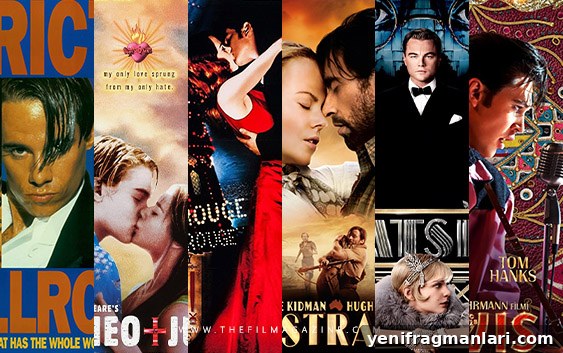
Baz Luhrmann is one of the most inventive and entertaining directors working today. His films combine theatrical grandeur, bold costume design, and an immersive energy that often feels bigger than the screen, inviting viewers into exuberant cinematic experiences.
Before Luhrmann became internationally known, the Australian-born filmmaker appeared alongside Judy Davis in the low-budget Australian drama Winter of Our Dreams (1981). With his earnings from earlier projects he co-founded The Bond Theatre Company with Nellee Hooper and Gabrielle Mason. After achieving success in theatre, Luhrmann transitioned to film and created some of the most visually ambitious movies of the modern era, films that have earned critical acclaim and awards recognition.
A hallmark of Luhrmann’s filmography is total immersion: his movies rarely feel like conventional films and instead unfold as heightened experiences—full of music, spectacle, and emotional intensity.
In this edition of Ranked, we at The Film Magazine compare and evaluate the six feature films directed by Baz Luhrmann, considering their impact, artistic expression, cultural resonance, and critical reception. Here are the Baz Luhrmann films ranked.
6. The Great Gatsby (2013)
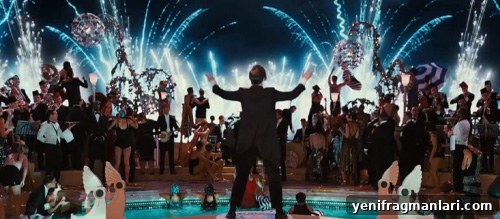
F. Scott Fitzgerald’s The Great Gatsby is a grand story of love, longing, and the failures of the American Dream. Luhrmann’s adaptation brings an unabashedly glamorous, modernized sheen to the 1920s setting, blending vintage visuals with contemporary stylistic choices. The film dazzles with lavish parties, opulent sets, and kinetic camerawork that turns each scene into a spectacle.
Leonardo DiCaprio’s Jay Gatsby anchors the film as a mysterious, obsessive figure whose lavish lifestyle and parties symbolize the social divides of the era. Luhrmann embraces visual excess—diamonds, champagne, elaborate tracking shots and bold production design—while layering a modern soundtrack that contrasts with the Roaring Twenties palette.
Despite its striking style, The Great Gatsby can feel overloaded. The density of visual invention and the film’s thematic ambitions sometimes overshadow the emotional undercurrents of Fitzgerald’s novel. As a result, the movie dazzles but occasionally struggles to reconcile its spectacular imagery with the subtleties of the source material, testing the patience of viewers who expect a more restrained adaptation.
5. Australia (2008)

Australia is a sweeping epic that pairs striking outback cinematography with powerful central performances from Nicole Kidman and Hugh Jackman. Beneath its sumptuous visuals, the film explores difficult historical themes, including colonization and the mistreatment of Aboriginal people. Luhrmann blends romantic melodrama and political reckoning, using big-screen spectacle to confront uncomfortable truths about Australia’s past.
At nearly three hours, the film’s length can be demanding, but its emotional stakes and visual poetry give it a distinctive place in Luhrmann’s body of work. The story’s darker elements—especially those that address the forced removal of Aboriginal children from their families—lend the film moral weight and urgency.
4. Strictly Ballroom (1992)
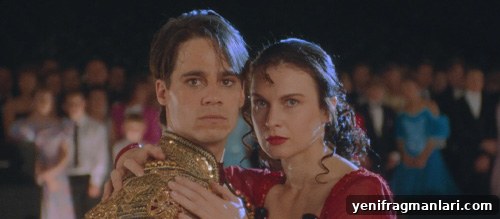
Strictly Ballroom, the first film in Luhrmann’s Red Curtain Trilogy, announced him as a director with theatrical instincts and a flair for joyful excess. Made on a modest budget, the film follows a frustrated dancer who challenges the rigid conventions of competitive ballroom dancing. Its plot is familiar and heartfelt, but its energy, colour, and sheer enthusiasm make it irresistible.
The film feels like a love letter to performance and to bold, colorful filmmaking. Its simplicity is a strength: rather than overcomplicating the story, Strictly Ballroom invites audiences to surrender to its charm and vitality. Though it can be overshadowed by Luhrmann’s later spectacles, it remains a delightful introduction to his distinctive voice.
3. Romeo + Juliet (1996)
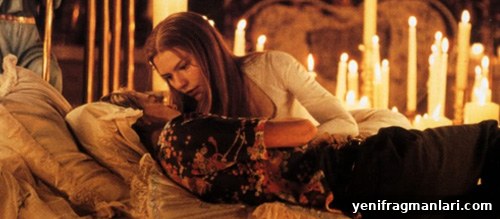
Luhrmann’s Romeo + Juliet is a bold, modern reimagining of Shakespeare’s tragedy. Keeping the original text but transplanting the story into a stylized contemporary world of rival families, the film is a neon-lit, high-velocity interpretation that preserves the play’s emotional core while making it accessible to new audiences.
Leonardo DiCaprio and Claire Danes deliver youthful, passionate performances as the doomed lovers. Luhrmann balances Shakespeare’s language with modern visual tropes and pop-culture aesthetics, creating an intoxicating fusion of classical verse and contemporary cinematic energy. The result is a vibrant, innovative adaptation that revitalizes the familiar story without losing its tragic heart.
2. Moulin Rouge! (2001)
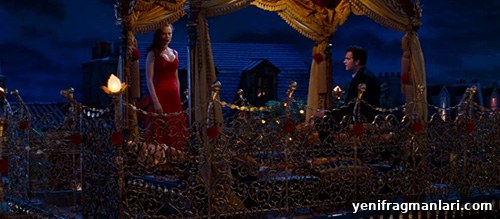
Moulin Rouge! is an exuberant, operatic fever dream set in 1899 Paris. Bursting with color, inventive choreography, and a mash-up soundtrack, the film showcases Luhrmann at his most exuberant and inventive. Ewan McGregor and Nicole Kidman lead a cast that inhabits a world where pop songs become part of a heightened, emotional tapestry.
The film’s camera work is kinetic and intimate, frequently joining the performers in the whirlwind of its musical numbers. Luhrmann’s daring mix of period setting and contemporary music creates a striking juxtaposition that amplifies the story’s romantic tragedy. Moulin Rouge! remains a landmark jukebox musical, full of heart and sensory delight.
1. Elvis (2022)
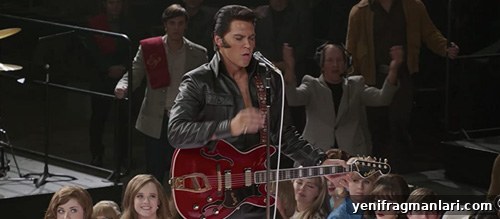
Elvis stands as Luhrmann’s most ambitious biopic, chronicling the life and career of Elvis Presley with energy, reverence, and spectacle. Austin Butler’s transformative performance as Presley earned widespread praise and award recognition, and the film’s soundtrack and concert recreations bring the music—and the mania surrounding the performer—vividly to life.
Luhrmann’s strength for theatrical montage, rhythmic editing, and larger-than-life staging is on full display in Elvis. The film intersperses concert reconstructions, archival-style sequences, and stylized flashbacks to evoke the cultural phenomenon that Presley became. Carefully curated musical choices span multiple eras of Elvis’s career, underscoring both his talent and the forces that shaped his public image.
Beyond performance, Elvis offers a nuanced look at fame, exploitation, and artistic identity. Luhrmann brings dignity and complexity to a story often reduced to caricature, making this film a powerful example of his ability to marry spectacle with emotional insight.
Which Baz Luhrmann film resonates with you most? Did Elvis move you as it did many viewers? Share your thoughts and keep exploring Luhrmann’s bold, imaginative cinema for more unforgettable moments on screen.