
This review was originally posted to Austentatious Darling by Darcy Rae.
Death Note (2017)
Director: Adam Wingard
Screenwriters: Charles Parlapanides, Vlas Parlapanides, Jeremy Slater
Starring: Nat Wolff, Lakeith Stanfield, Margaret Qualley, Shea Wigham, Willem Dafoe
The Netflix adaptation of Death Note feels like a missed opportunity from the first frame. Instead of translating the anime’s moral complexity and psychological tension to a new medium, the film flattens those elements into a rushed thriller that misunderstands the story’s heart. The result is an uneven feature with a handful of striking moments and many more that simply don’t land.
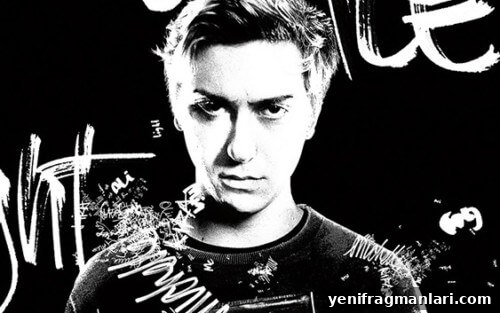
One of the most obvious problems is the Westernization and casting choices. Changing the characters’ backgrounds and names while holding on to others—Light still being called “Light” while his surname becomes Turner—creates a dissonance that undermines character logic. That dissonance is compounded by Nat Wolff’s portrayal: he plays a troubled teen rather than the composed, supremely confident student at the center of the original. Light Yagami’s appeal in the source material is that he’s outwardly flawless and coldly self-assured, a boy you would never suspect of being a mass murderer. The film recasts Light as vulnerable and reactive, stripping away the unsettling charisma that made the character disturbing and compelling.
Willem Dafoe’s Ryuk, by contrast, is an unambiguous highlight. His voice, facial work, and presence—despite being CGI—are memorable and perfectly cast. Ryuk’s bemused, chaotic boredom provides the film’s best moments, yet the adaptation neglects the deeper parallels between Ryuk and Light: the shared themes of boredom and curiosity, the subtle mirror between death, justice, and human hubris. The movie fails to fully explore those philosophical echoes, leaving the relationship between the human and the Shinigami underdeveloped.
At roughly 100 minutes, the film tries to cram complex themes into too little time. Important plot points and moral tensions are rushed or oversimplified. The way the film explains the “Kira” pseudonym—effectively a few internet searches—feels cheap compared to the original, where public fear and myth-making play a larger role. Similarly, the film leans into graphic, Final Destination–style gore that adds shock value but little narrative or thematic weight. The climactic Ferris wheel sequence aims for drama but lands as melodrama, and the violence often feels gratuitous rather than integral.
Mia Sutton (the film’s version of Misa) is another weak spot. Renamed and reimagined as a loner cheerleader, Mia lacks the depth and agency of her anime counterpart. The film does not give her motivations or emotional texture; she becomes a plot device rather than a character with her own arc. The choice to omit or underplay important Shinigami like Rem limits the emotional stakes surrounding her and the losses that should matter. Budget constraints may explain Ryuk’s limited screen time, but the storytelling suffers when key relationships are minimized.
The romantic subplot between Light and Mia feels forced and distracts from the central intellectual duel that should define the film. In the anime, Light uses Misa strategically; here, Light’s interactions with Mia read like attempts at teen angst and chemistry that never coheres. Moments intended to be intimate or pivotal come off as awkward or shallow, and the film doesn’t follow through on consequences—Mia’s fate, for example, is not given the weight it deserves.
Lakeith Stanfield’s L retains many signature traits—the slouched posture, the listless energy, the candy habit—and Stanfield captures L’s mannerisms well. Yet this L feels too polished and controlled. The tense cat-and-mouse battle that makes the original so compelling is largely absent. The film glosses over the strategic, psychological warfare between Light and L, so when L pieces things together, the reveal lacks the electric tension it needs. Without the slow, deliberate build of suspicion and counterplay, the confrontation loses its moral and intellectual stakes.
There are moments of genuine artistry—a few strong performances, some eerie visuals, and Dafoe’s outstanding Ryuk—but those highlights cannot mask the adaptation’s shortcomings. The film reduces complex ethical debates about justice, power, and responsibility to a teen thriller with sensational touches. Fans hoping for a faithful or thoughtful reimagining will likely be disappointed; newcomers may find spectacle but little of the philosophical punch that defines Death Note.
5/24
That score reflects how singularly effective Willem Dafoe’s performance is amid an otherwise muddled adaptation.
You can support Darcy at the following links:
Website – Austentatious Darling
Twitter – @FitzEllenDarcy