

Tobe Hooper’s Texas Chainsaw Massacre franchise has always lingered just behind mainstream horror icons like Friday the 13th and Halloween in popular awareness. The brutal, unsettling exploits of Leatherface and his cannibalistic, incestuous family have both thrilled and repulsed audiences for nearly five decades, carving out a distinct and enduring strand of horror. Before the 1974 release of The Texas Chain Saw Massacre, on-screen violence had rarely felt so immediate or realistic.
Originally promoted as a story inspired by real events, Hooper’s debut delivered shock and authenticity that audiences devoured with a mix of disgust and fascination. Since that groundbreaking film, the Texas Chainsaw franchise has continued to grow, adding numerous sequels, prequels, reboots, and reinterpretations.
What sets The Texas Chain Saw Massacre apart is its long-lasting impact on horror filmmaking. It is often credited as a founding work of the slasher subgenre, arriving several years before Michael Myers ushered in Halloween’s brand of brutality. The film’s premise—an ordinary group of teens picked off one by one by a deranged killer—became a template many later films would follow.
Given how much modern horror owes to Hooper’s original, it is worth revisiting and ranking the films that followed. To honor Leatherface’s place among horror’s most enduring figures, this article ranks the nine Texas Chainsaw films—from the 1974 original through the 2022 installment—based on artistic achievement, narrative quality, and overall impact.
9. Texas Chainsaw Massacre: The Next Generation (1994)

Texas Chainsaw Massacre: The Next Generation is the franchise’s awkward outlier: a film completed and then shelved for years before producers chose to release it when two of its young stars, Matthew McConaughey and Renée Zellweger, had become household names. Beyond its questionable release strategy, the movie simply doesn’t work as a strong entry in the franchise.
Attempting to modernize the material by placing the action in a high-school setting and centering on the aftermath of a prom, the film borrows slasher tropes without capitalizing on the original’s atmosphere or character depth. The pacing and dialogue are clichéd, and the movie culminates in a jarring, implausible third-act twist involving a shadowy government conspiracy that undermines the franchise’s grounded horror roots.
8. Texas Chainsaw 3D (2013)

Texas Chainsaw 3D aimed to cash in on the resurgence of 3D and franchise reboots but quickly showed its limitations. The film contains a heartfelt opening sequence that directly evokes the aesthetics and locations of the 1974 original—an affectionate nod that fans appreciated—but it quickly drifts into melodrama, awkward teen romance, and a bloodline-based plot twist that strains credibility.
There are entertaining set pieces—Leatherface rampaging through a carnival, for instance—but poor dialogue and a tone that swings between tribute and trash ultimately dampen its impact. This entry did little to revitalize the franchise in a meaningful way.
7. Leatherface: The Texas Chainsaw Massacre III (1990)
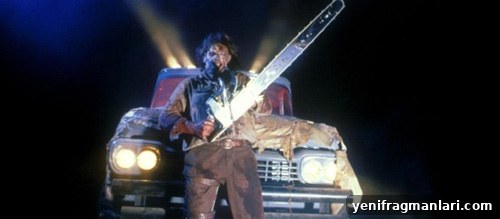
The third entry is not terrible, but it feels painfully average. While The Next Generation at least attempted a unique angle, Leatherface: The Texas Chainsaw Massacre III mostly rehashes familiar beats without the original’s unsettling texture or compelling character work. It comes across as a studio exercise designed to meet market demand rather than a creative continuation of the series.
The film does feature a strong early role for Viggo Mortensen, whose eccentric energy stands out amid the otherwise unremarkable proceedings. His presence gives the film some life, but once he exits the screen, the sequel falls back into routine slasher territory.
6. Leatherface (2017)
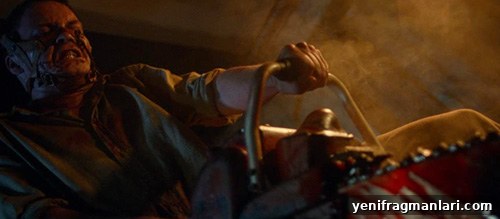
Leatherface Review
The 2017 film Leatherface takes a bold, different approach to the franchise. Directors Alexandre Bustillo and Julien Maury place the story in the mid-1950s and follow a group of escapees from a mental health facility as they evade a ruthless lawman. Rather than focusing squarely on the Sawyer family, the film adopts a whodunnit structure: one of the escapees will become Leatherface, but his identity remains uncertain until the end.
This guessing-game format keeps the narrative fresh, and the film delivers several well-executed set pieces and inventive kills. While Leatherface never fully escapes its direct-to-DVD look, its willingness to experiment offers a welcome change of pace. The final minutes deliver some of the franchise’s most satisfying moments in years, proving that innovation can revitalize a long-running series.
5. Texas Chainsaw Massacre (2022)
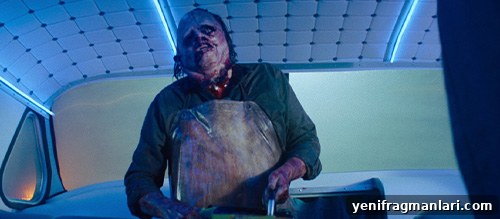
Texas Chainsaw Massacre Review
The 2022 Texas Chainsaw Massacre attempts to function as a legacy sequel to the original, bringing together Leatherface and survivor Sally Hardesty in a rematch. While the film borrows heavily from recent legacy-sequel trends and doesn’t always capture Leatherface’s unsettling complexity, it remains a lean, violent ride with some genuinely memorable set pieces—most notably a grisly bus sequence that emphasizes the franchise’s commitment to visceral horror.
The movie isn’t a perfect fit for fans expecting pure continuity or a flawless reinvention, but it delivers brutality, momentum, and a willingness to push the story forward in new directions.
4. The Texas Chainsaw Massacre (2003)
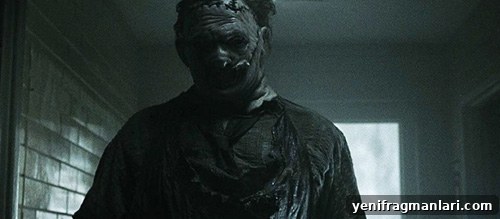
In 2003, Michael Bay’s Platinum Dunes revitalized the franchise with a slick reboot that kept many of the original’s key beats—teens traveling through Texas, a creepy hitchhiker, and a cannibal family—but updated the visuals and pacing for a modern audience. Marcus Nispel directed a film that leans into the schlocky aesthetics of early-2000s horror, but it benefits from strong casting and a memorable turn by R. Lee Ermey as the corrupt Sheriff Hoyt. While polished and occasionally heavy-handed, the 2003 reboot is an effective, commercially successful reimagining.
3. The Texas Chainsaw Massacre: The Beginning (2006)
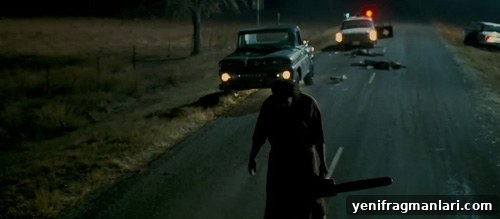
Surprisingly, the 2006 prequel to the 2003 reboot stands out as a superior entry. The Beginning situates its story during the late 1960s and uses the Vietnam War as a thematic backdrop, exploring conflicting attitudes toward the conflict and adding a layer of political commentary uncommon in the series. The screenplay offers nuanced moments between characters with differing viewpoints, and the film provides ample gore while tracing the early years of the Hewitt family that culminate in the events of the 2003 film.
R. Lee Ermey returns to deliver another memorable performance, and the film balances horror and context to create a richer, more compelling entry.
2. The Texas Chainsaw Massacre 2 (1986)
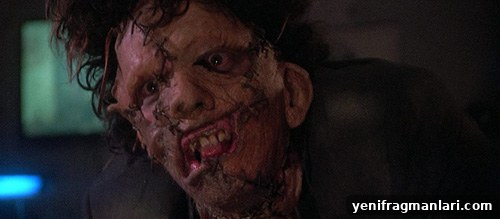
Rather than repeating his original’s minimalist terror, Tobe Hooper took a daring left turn with The Texas Chainsaw Massacre 2, leaning into black comedy and satire. The sequel amplifies ridiculousness, skewering the meat industry and turning the Sawyer family’s grotesque world into a vehicle for dark humor and social commentary. Dennis Hopper is electric as Lefty, delivering charismatic energy that fuels the film’s wild final act.
Though divisive for departing from the tone of the 1974 film, Texas Chainsaw 2 demonstrates Hooper’s creative audacity. Its blend of slapstick horror, biting satire, and visceral set pieces makes it a standout—one that rewards repeated viewings and a willingness to embrace its eccentricity.
1. The Texas Chain Saw Massacre (1974)
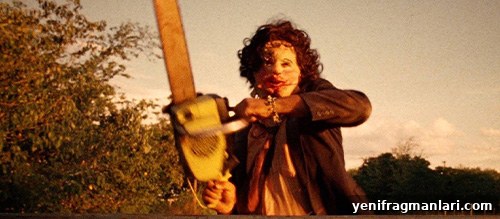
Tobe Hooper’s 1974 original, The Texas Chain Saw Massacre, remains a towering achievement in horror cinema. Nearly fifty years later, it still creates an exhausting, relentless sense of dread. In an age dominated by CGI, the film’s restraint—showing violence sparingly and letting the audience’s imagination supply the worst—feels more powerful than ever.
More than a definitive slasher, the film reshaped what horror could accomplish on screen. Hooper’s commitment to a raw, documentary-style realism made the violence feel plausible and immediate, leaving a lasting cultural imprint. From the unnerving hitchhiker scene to the infamous dinner sequence, every moment tightens the atmosphere and painlessly drives home the terror.
The Texas Chain Saw Massacre redefined genre expectations and continues to influence horror filmmakers and storytellers today.
Do you agree with this ranking of the Texas Chainsaw films? Share your thoughts in the comments. Follow the author on social platforms to keep up with more horror rankings and movie features.
Written by Luke Hinton
You can support Luke on Twitter: @lukeh38