
Insidious: The Red Door (2023)
Director: Patrick Wilson
Screenwriter: Scott Teems
Starring: Ty Simpkins, Patrick Wilson, Rose Byrne, Sinclair Daniel, Peter Dager, Joseph Bishara, Andrew Astor
The original Insidious established itself as a defining piece of 2010s paranormal horror, with its unnerving score and striking visual moments. That first film shifted the haunted-house formula toward a more intimate story about a haunted family and the terrifying possibility of astral projection. Subsequent entries leaned heavily on jump scares and loud shocks over atmosphere—until Insidious: The Red Door returned the franchise to its emotional center. Under Patrick Wilson’s direction, the film recalibrates the series, giving the Lambert family a resonant, character-driven conclusion that balances terror with genuine drama.
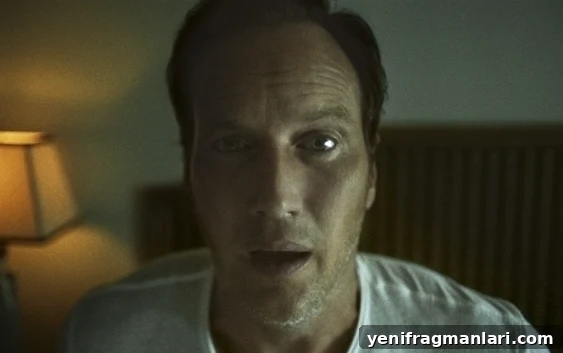
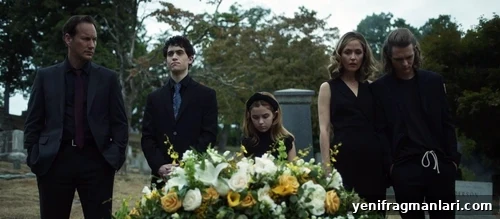
Insidious: The Red Door picks up roughly a decade after the events of the first two installments. Josh (Patrick Wilson) and Renai (Rose Byrne) are divorced, Josh’s mother has recently passed away, and their son Dalton (Ty Simpkins) has moved away to art school. Tension simmers between father and son, and the unresolved trauma from their past returns to disturb both their lives. The film begins by revisiting the pivotal hypnosis sequence from Insidious: Chapter 2, offering necessary context and grounding the audience in the emotional and supernatural stakes that drive what follows.
As a directorial debut, Wilson delivers an assured, focused picture. Rather than recycling the franchise’s familiar beats, he reframes them, creating a film that feels both connected to its origins and singular in tone. The story establishes a real conflict between entities in the astral realm known as The Further and the people who remain on Earth. It explains the rules and the stakes clearly enough that viewers unfamiliar with every previous installment can still follow along, while also rewarding longtime fans with satisfying continuity.
What sets The Red Door apart is its foundation in character. Where the third and fourth films in the series expanded the mythology primarily through the character of Elise Rainier, they rarely altered the emotional arcs of the central family in meaningful ways. This film, by contrast, uses the aftermath of the first two movies as fuel for a nuanced family drama. The primary dynamic is the strained relationship between Josh and Dalton: estrangement, anger, and unhealed wounds—especially those tied to Josh’s own childhood and his father’s abandonment—drive the narrative. Demonic threats function not just as scares but as metaphors for generational trauma and the emotional burdens passed between parents and children.
Performance-wise, the cast elevates this material. Patrick Wilson brings a weary intensity to Josh, embodying a man haunted by both supernatural forces and personal regrets. Rose Byrne provides steady emotional support as Renai, while Sinclair Daniel adds warmth and levity as Dalton’s roommate Chris, giving the younger character a grounded interpersonal outlet. Most striking is Ty Simpkins, who returns to the role of Dalton with a brooding, artful presence. The scenes between Dalton and Josh crackle with unspoken history; even when the screenplay leaves certain emotional details ambiguous, the actors convey the depth of what remains unresolved between them.
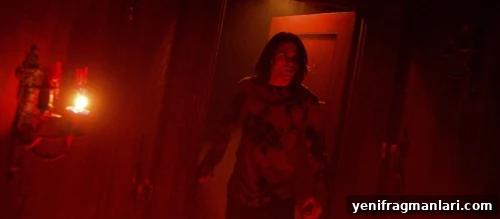
Technically, Wilson leans away from overt jump scares and toward visual, atmospheric horror. The film uses negative space, suggestive lighting, and partial imagery to create unease rather than relying on abrupt audio-visual tricks. The Further is realized as a strange, oppressive realm that feels more ambiguous and disturbing than previous depictions. One standout sequence—a memory game played in daylight while a figure slowly approaches—combines existential dread about aging and memory loss with classic horror tension, proving that restraint can be as frightening as shock tactics.
Because the film confines many scenes to small groups of characters, the sense of isolation and emotional distance is amplified. This economical staging plays to the strengths of a modest post-pandemic production and keeps the focus squarely on the Lambert family’s internal conflicts. The result is both a horror film and a character study: its scares are most effective when they emerge from real, human pain.
As for the franchise’s future, the commercial model for horror will always tempt studios to continue profitable series. Nonetheless, The Red Door functions as a clear and satisfying endpoint for the Lamberts. It ties up the central family arc in a way that feels intentional and complete—an ending that honors the characters and the emotional throughline established in the earlier films.
The bigger takeaway is what this film represents for Patrick Wilson. His transition from actor to filmmaker is promising; the direction on display here suggests he could handle original material or further genre work with confidence. Whether he stays in horror or pursues new genres, his debut indicates a filmmaker with a definite voice and an appreciation for the marriage of character and atmosphere.
Score: 15/24