
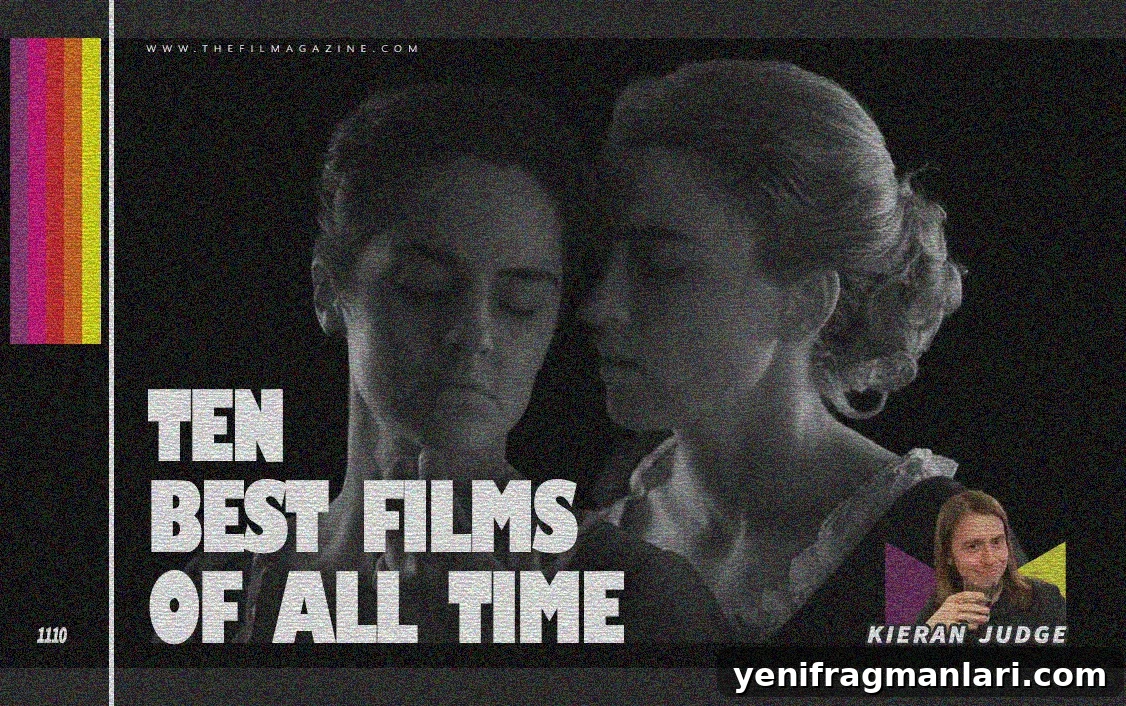
These are not necessarily my personal favourite films—although a few overlap. Sometimes my favourite movies are chosen for sentimental reasons rather than technical excellence. For example, 1986’s Short Circuit is a family staple we quote at gatherings; it is far from a cinematic masterpiece. I also haven’t seen every great film in existence—classics like Tokyo Story, often celebrated in publications such as Cahiers du Cinéma and Sight & Sound, remain on my to-watch list.
The films selected here represent what I consider peaks of cinematic achievement. They span much of cinema’s history and deliberately cover a wide range of genres, countries, and eras. Part of the reason for this variety is to avoid a list made up entirely of 1980s horror films, which I could easily compile—yet that would be unfair. Even within a single genre, some films that excel in one area can be less accomplished compared with outstanding work in other genres.
So, for better or worse, and listed roughly from oldest to newest without ranking, here are my choices for the 10 Best Films of All Time.
Follow me on social media: @KJudgeMental
10. La Voyage dans la Lune (1902)
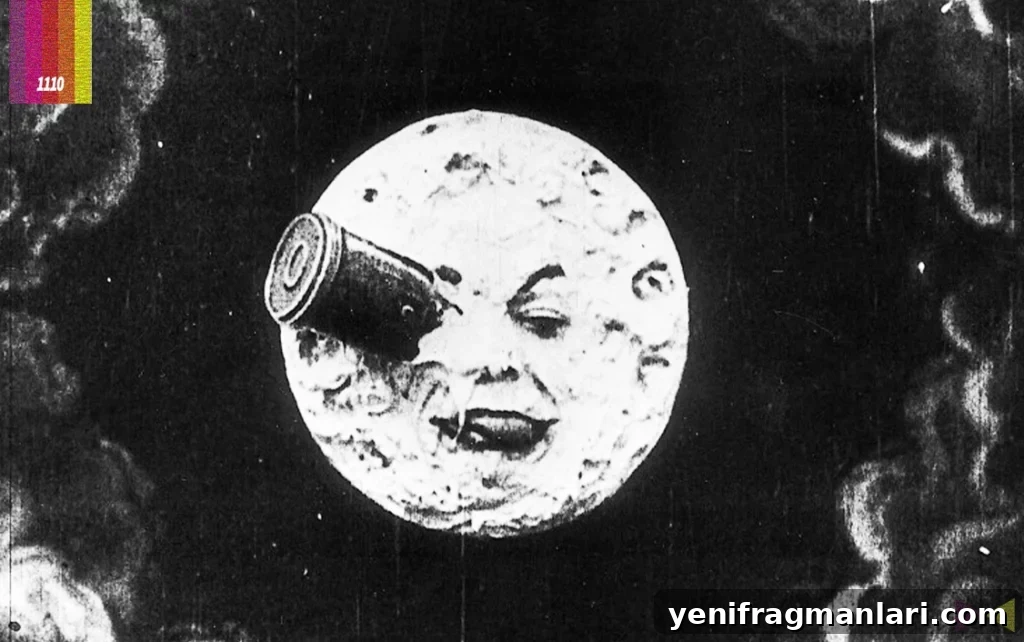
It is impossible to overstate the importance of this film. From Georges Méliès, the grandfather of cinematic special effects, comes roughly fifteen minutes of pure imagination and adventure. Drawing inspiration from Jules Verne’s novels and H. G. Wells’ The First Men in the Moon, this early fantasy pushed the medium’s boundaries and introduced the public to the spectacle of filmic wonder.
Painted by hand frame by frame to add colour and built on Méliès’ theatrical stagecraft, the film still captivates over a century later, even though it was made only seven years after the Lumière brothers first demonstrated the cinematograph in 1895. The iconic image of a rocket lodged in the Moon’s eye has become a universal visual shorthand, often recognised even when viewers don’t know its origin.
Restorations and modern scores have helped preserve its legacy: although none of the original cast and crew survive, A Trip to the Moon continues to inspire filmmakers and audiences alike.
9. Psycho (1960)
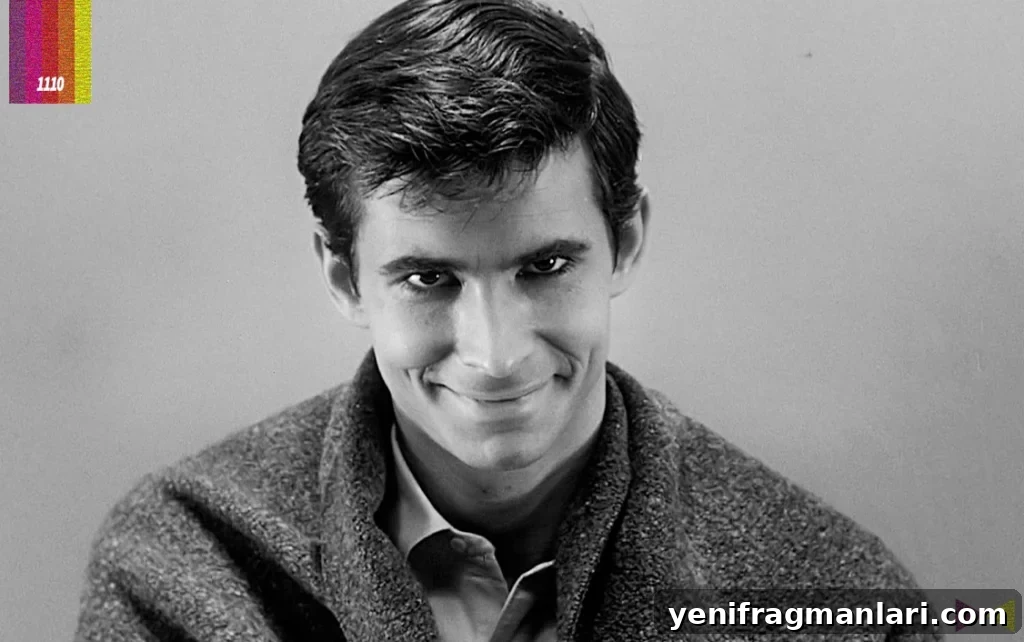
Debates about Alfred Hitchcock’s finest film could continue forever—many critics place Vertigo at the top, while others champion different entries—but Psycho remains my choice for several reasons. Its story is indelibly iconic, the shower scene is one of cinema’s most famous sequences, and the production history itself is legendary.
Beyond individual moments, Psycho demonstrates exceptional craftsmanship. Every shot is composed with intent, each cut timed with rigorous precision. Hitchcock’s economy—his ability to choose exactly the right shot or edit to convey a complex emotional or narrative beat—is underappreciated but central to the film’s power. The result is a tight, suspenseful exercise in storytelling that continues to unsettle and move audiences.
8. 2001: A Space Odyssey (1968)
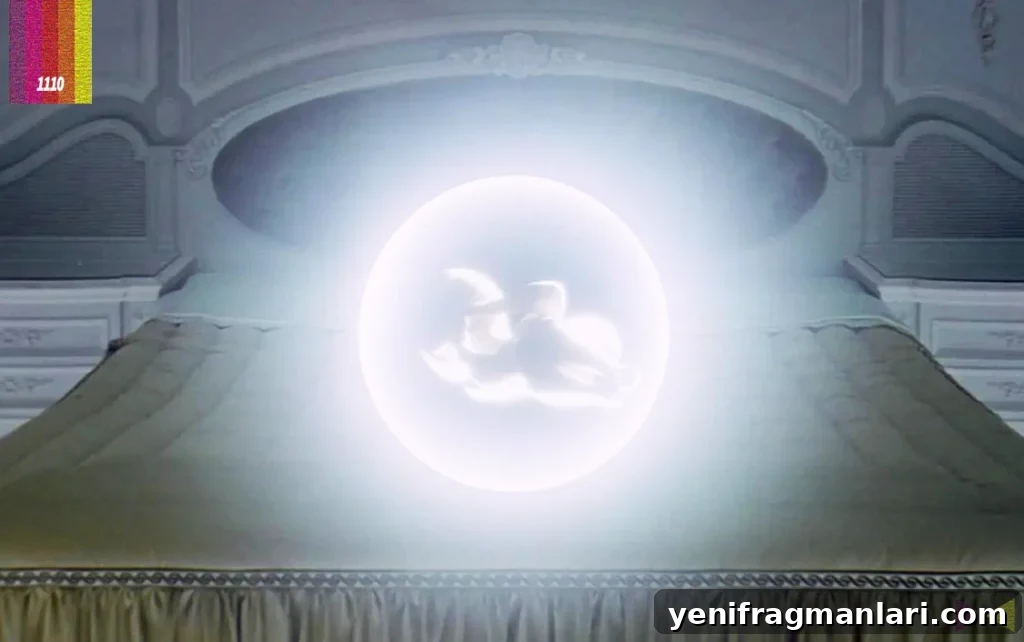
What remains to be said about Stanley Kubrick’s 2001: A Space Odyssey that hasn’t already been written? The film is a transcendental journey spanning millions of years, from human evolution to the outer reaches of the solar system. Its visuals, sound design, and conceptual ambition have reshaped modern cinema.
The film stretches narrative form—it plays with time, symbolism, and audience expectation. For some viewers it can feel slow or opaque, but those willing to immerse themselves and then return for deeper analysis discover a rich meditation on humanity’s place in the universe, technological progress, and existential meaning. Its influence on filmmaking, design, and popular culture remains profound.
7. Blade Runner (1982)
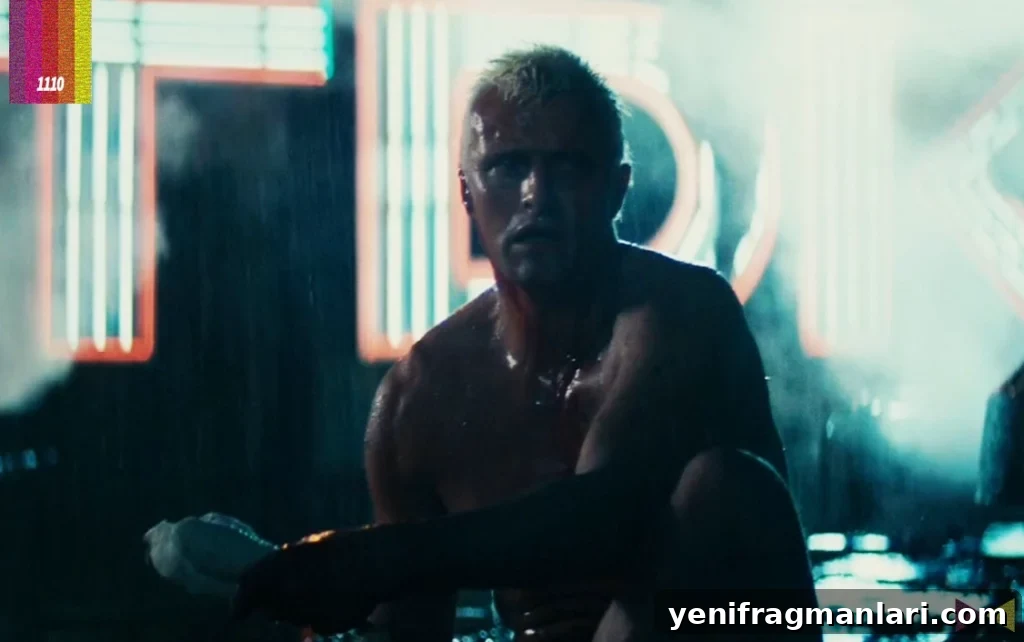
My personal favourite, Ridley Scott’s Blade Runner nearly always deserved a spot here. Despite the different versions and studio-mandated changes over the years, the film’s visual design, synth-driven score, and meditative pacing create an unforgettable atmosphere.
Its neo-noir, proto-cyberpunk cityscapes, the emotional weight of its characters, and the philosophical questions about what it means to be human elevate the film beyond mere genre exercise. Rutger Hauer’s final monologue is one of the medium’s great moments of poetry, and the film’s thoughtful exploration of mortality and memory lingers long after the credits roll.
6. John Carpenter’s The Thing (1982)
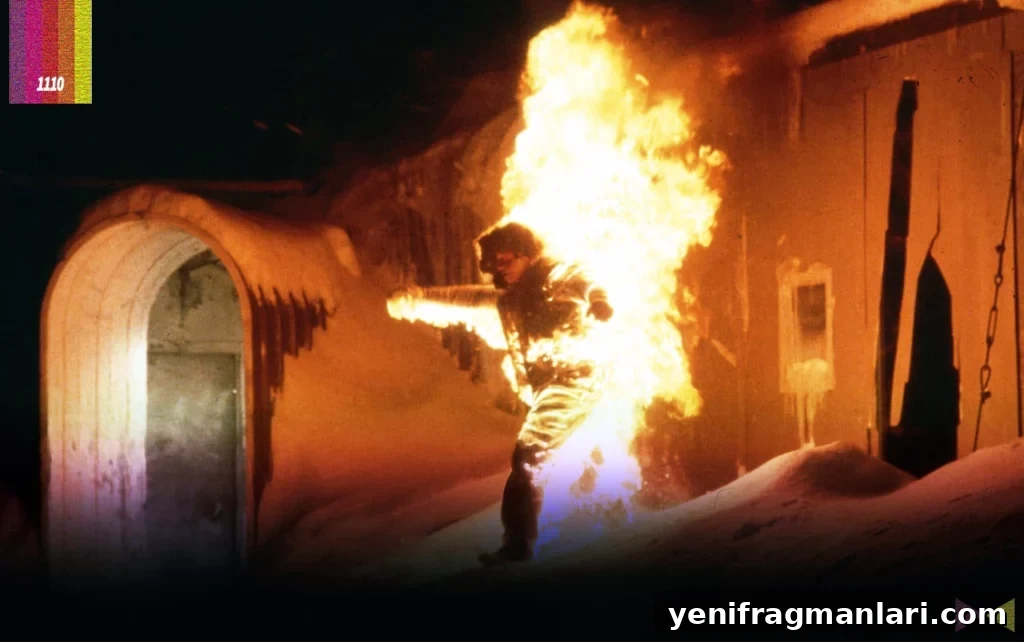
At first glance, a low-budget horror film about an alien entity at an Antarctic outpost might seem an unlikely contender for one of cinema’s greatest works. Yet John Carpenter’s The Thing earns its place through relentless tension, immaculate practical effects, and a bleak, unforgettable atmosphere.
The creature design and special effects remain astonishing, Carpenter’s direction is a high point in his career, and Kurt Russell’s MacReady is a stalwart, memorable protagonist. The film’s ambiguity and haunting finale continue to inspire discussion and theory, cementing its status as a genre-defining classic that transcends simple categorization.
5. Wallace and Gromit: The Wrong Trousers (1992)
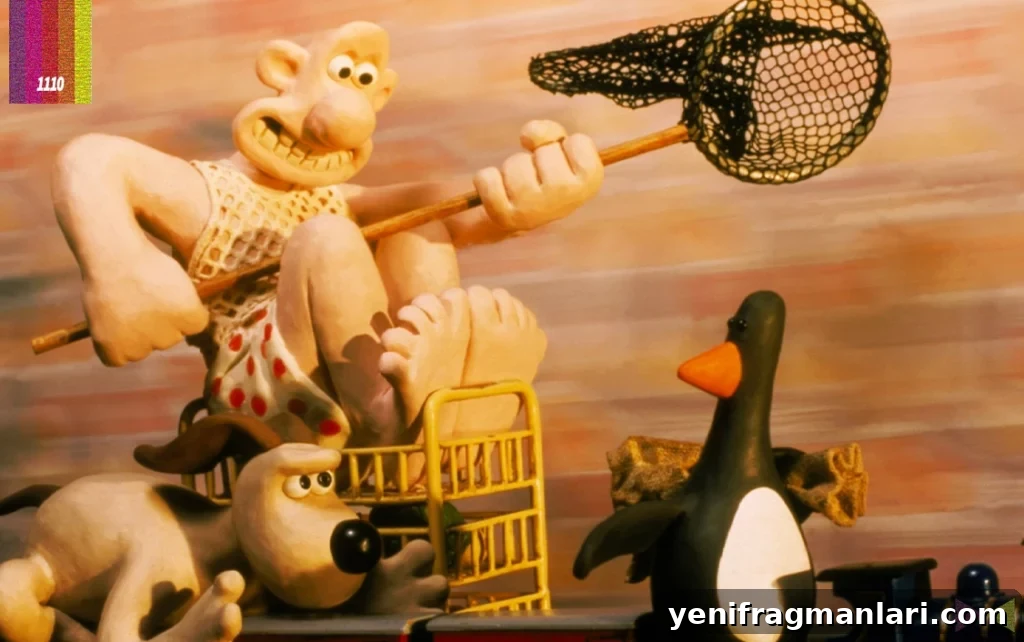
Unexpected perhaps, but entirely deserved: Nick Park’s short film is a masterclass in storytelling economy. In just thirty minutes, The Wrong Trousers delivers humour, suspense, heartfelt moments, and an impeccably staged chase sequence that ranks among the best in film.
Aardman’s painstaking stop-motion craftsmanship elevates the work—the attention to detail for every frame, model, and movement is unrivalled. The short proves that animation is not only for children: it can be sophisticated, technically brilliant, emotionally resonant, and universally enjoyable.
4. The Lord of the Rings Trilogy (2001–2003)
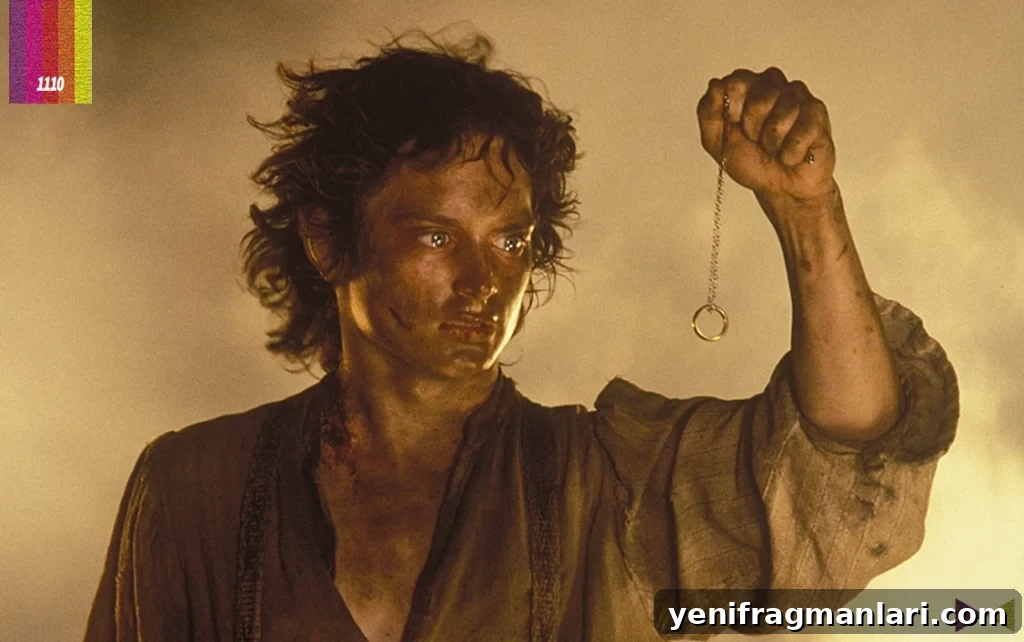
Grouping Peter Jackson’s three films together is deliberate: they function as a single epic narrative adapted from one literary work. The trilogy is the pinnacle of large-scale fantasy filmmaking, blending powerful performances, outstanding cinematography, immersive production design, and a stirring score.
Because the films were shot as a unified project, they feel coherent and complete. The scope of the production—stunt choreography, miniatures, visual effects, and location work—set a new standard for cinematic world-building that few productions have matched since.
3. Spirited Away (2002)
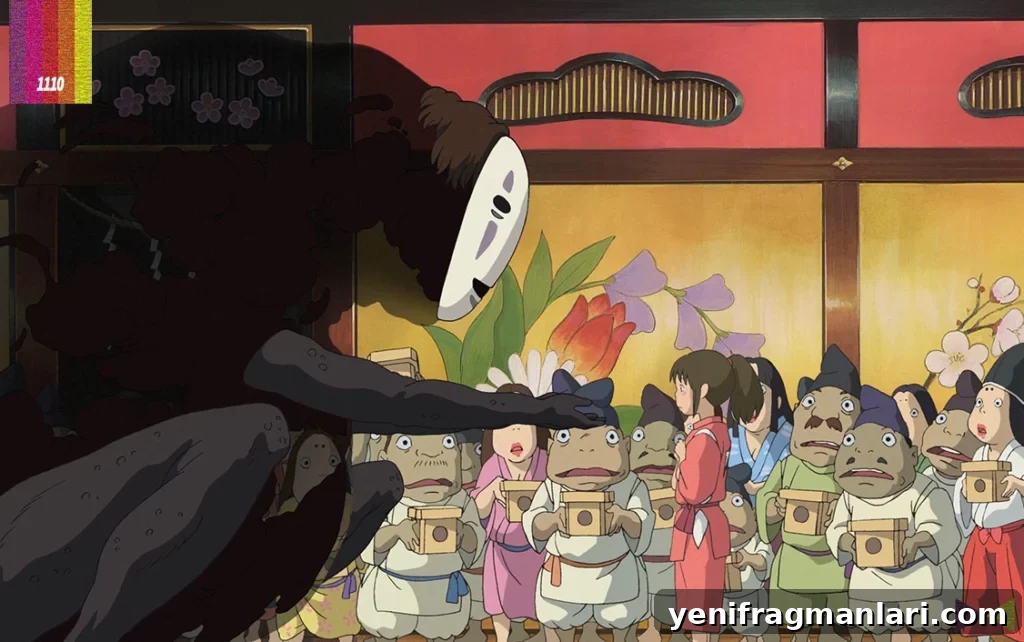
Hayao Miyazaki and Studio Ghibli’s Spirited Away stands as one of the finest animated features ever made. The film’s blend of mythic imagery, inventive world-building, and emotional depth demonstrates how animation can explore mature themes without losing its wonder.
From the bustling bathhouse to the hauntingly beautiful train sequence, the film offers unforgettable visuals accompanied by Joe Hisaishi’s perfect score. It balances family-friendly adventure with reflections on identity, consumerism, and personal growth, making it a universally moving and beautifully crafted work.
2. Parasite (2019)
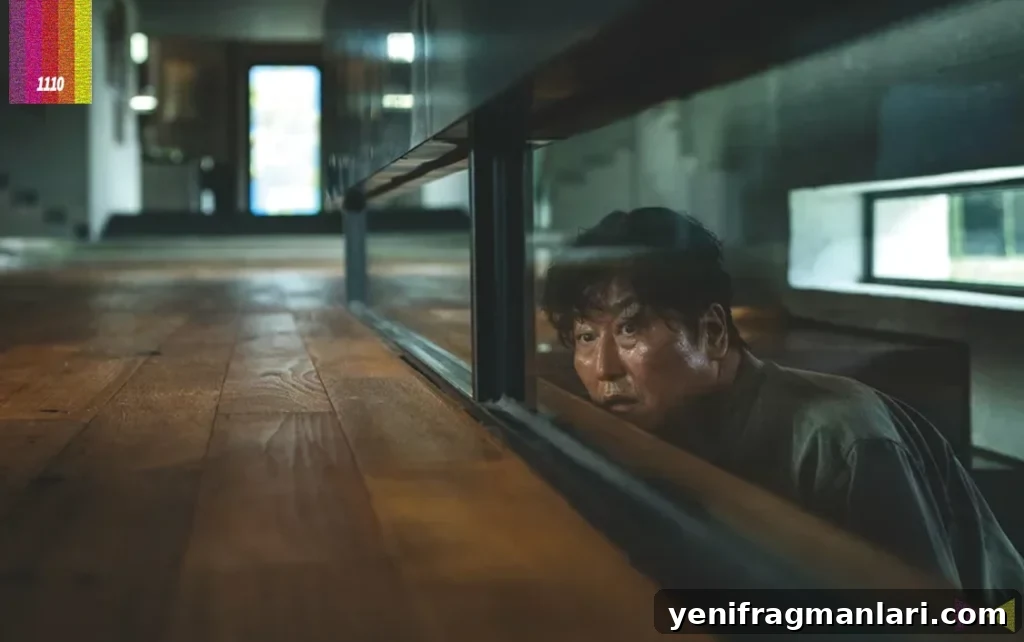
Bong Joon-ho’s Parasite is rightly celebrated and widely admired. Combining razor-sharp social commentary with dark humour, suspense, and emotional complexity, the film became the first non-English-language picture to win the Academy Award for Best Picture—an achievement that reflected its global resonance.
Bong’s direction and the ensemble performances deliver a story that moves fluidly between comedy, horror, and tragedy. While rooted in South Korea’s social realities, the film’s themes of class disparity and human aspiration translate internationally, making it both specific and universal. It balances metaphor and entertainment in a way that is accessible to general audiences without sacrificing depth.
1. Portrait of a Lady on Fire (2019)

Finally, a film directed by a woman—and what a triumph it is. Portrait of a Lady on Fire is a modern French historical romance that feels absolutely flawless in its execution. Every frame, line, gesture, and musical cue is placed with extraordinary care.
The film’s visual composition, the performances, costume and production design, and the way small details accumulate into profound emotional impact make it one of the rare features I would call perfect. It is a deeply felt, meticulously crafted work that rewards repeated viewings and remains one of the most moving cinematic experiences of recent years.