

Frances Ha (2012)
Director: Noah Baumbach
Screenwriters: Greta Gerwig, Noah Baumbach
Starring: Greta Gerwig, Mickey Sumner, Adam Driver, Michael Zegen, Michael Esper, Charlotte d’Amboise, Grace Gummer
Frances Ha lands differently depending on where you are in life. A teenager might find Frances (played by Greta Gerwig) self-centered or exasperating—she frequently frames events as if they revolve around her and even laments being “poor” while flitting around Manhattan. But for many who have endured the uncertainties of their twenties, the film is strikingly relatable. It captures the mixture of ambition, confusion, exhilaration, and anxiety that defines that decade.
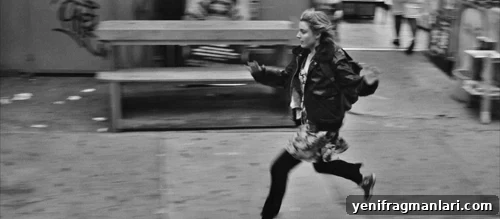
Directed by Noah Baumbach and co-written with Greta Gerwig, Frances Ha follows a circle of twenty-somethings trying to piece together lives from precarious jobs, uncertain relationships, and friendships under strain. Frances is an aspiring dancer who hasn’t quite broken through at her company. She lacks technical polish but compensates with infectious spirit and resilience. The film moves between euphoric sequences—Frances dancing and racing around New York—and quieter, more anxious moments where she hides on a couch worrying about rent and stability.
In many ways the film functions as a thematic companion to Greta Gerwig’s later directorial work. Where Lady Bird focuses on a teenager dreaming of the East Coast, Frances Ha shows life after arriving in that city: the obligations, disappointments, and small triumphs that follow. Frances’s relationship to place is complicated; the city offers freedom and possibility, but also relentless pressure and loneliness.
One of the film’s most memorable sequences finds Frances sprinting through the streets of Chinatown, spinning and shouting with joy while David Bowie’s “Modern Love” plays. That scene crystallizes the film’s central tension: the simultaneous thrill and precariousness of youth. Frances’s highs are vivid and contagious, but they exist alongside late-night arguments with friends, awkward romantic encounters, and the daily grind of unpaid bills and unstable housing.
At the heart of the movie is Frances’s friendship with Sophie (Mickey Sumner). Their bond is tender and complicated: they are mirror images in some ways—“just like me with different hair”—yet their ambitions diverge. Sophie functions as Frances’s tether to a more conventional adult path; she is pragmatic and steady while Frances drifts. The film traces their evolving dynamic with honesty, showing fights, reconciliations, silences, and the small rituals that keep them tethered to each other even as they grow apart.
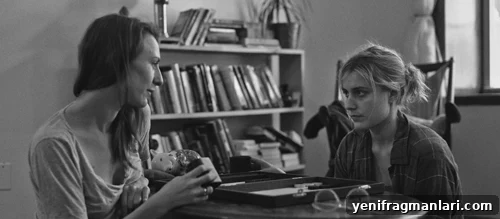
One of Greta Gerwig and Noah Baumbach’s strengths as writers is their nuanced depiction of female friendship. The screenplay explores jealousy, competition, and affection without simplifying either character. Sophie and Frances are imperfect but genuine, and the film resists taking an easy moral stance; instead it invites empathy for both women even when they make mistakes.
Visually, Frances Ha makes strong use of black-and-white cinematography to render Manhattan with texture and intimacy. The camera lingers on city streets, apartments, dance studios, and subway platforms, emphasizing both the loneliness and possibility of urban life. The film’s aesthetic choices underscore its themes: the starkness of black-and-white mirrors Frances’s oscillation between clarity and uncertainty.
Despite its many strengths, the film has notable blind spots. Set in New York City—a diverse, multicultural metropolis—the story centers almost exclusively on white characters and gives little attention to the broader social dynamics shaping the neighborhoods it depicts. That absence feels like a missed opportunity to engage more honestly with the realities of urban life, including the impacts of gentrification and displacement.
Performances anchor the film. Greta Gerwig’s portrayal of Frances blends comedic timing with vulnerability, making the character both exasperating and deeply sympathetic. Supporting performances, including Mickey Sumner’s grounded Sophie and Adam Driver’s understated presence, add depth and texture to the world around Frances.
Ultimately, Frances Ha is a quietly affecting portrait of a young woman learning to navigate adulthood on her own terms. It captures the messy, bittersweet work of becoming—keeping the small joys while enduring setbacks and discovering who you are apart from friends, lovers, or the city itself. For anyone in a period of personal transition, the film offers a mix of consolation and provocation: a reminder that growth is rarely linear, and that identity is often forged through the tensions between aspiration and reality.
Score: 20/24
Recommended for you: Greta Gerwig: The Essential Collection