

The Peanut Butter Falcon (2019)
Directors: Tyler Nilson, Mike Schwartz
Screenwriters: Tyler Nilson, Mike Schwartz
Starring: Zack Gottsagen, Shia LaBeouf, Dakota Johnson, Bruce Dern, Thomas Haden Church, Jake Roberts, Mick Foley, Jon Bernthal, John Hawkes
The Peanut Butter Falcon is a warm-hearted road movie that centers representation and human connection. It follows Zak (Zack Gottsagen), a young man with Down’s syndrome who escapes the confines of an unsuitable group home to pursue his dream of becoming a professional wrestler. Along the way he forms an unlikely friendship with Tyler (Shia LaBeouf), a troubled drifter fleeing his own problems, and is pursued by Eleanor (Dakota Johnson), Zak’s protective caregiver. The film finds its power in the relationships that develop as the three travel together, drifting downriver on a makeshift raft and learning from one another.
At its core, the film is about visibility and dignity. Presenting Zak as a fully realized character with desires, agency, humor and vulnerability challenges the limited ways people with disabilities are often portrayed onscreen. When staff at the home label Zak a “flight risk,” the phrase underlines how institutions can strip away a person’s identity and treat them as a problem to manage instead of a human being with aspirations. Zak’s simple wish—to try wrestling, to make friends and invite them to his birthday—is portrayed with empathy, and the film resists reducing him to a symbol or a plot device.
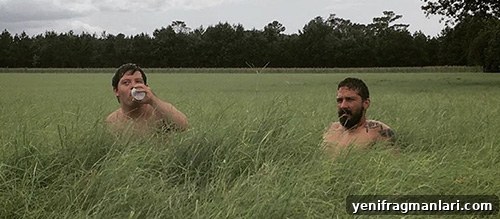
The first half of the movie has a clear affinity with classic American adventure tales. There are echoes of Huck and Jim in the easy, conversational rapport that develops between Zak and Tyler as they travel through southern landscapes. The filmmakers use this template to craft a contemporary story about surrogate families, second chances and the search for belonging. The locations feel lived-in and sunlit; the journey is as much emotional as it is geographical.
Performance is one of the film’s strongest assets. Zack Gottsagen is an immediate and winning presence, bringing warmth, humor and honesty to his role. His performance anchors the movie, and his chemistry with LaBeouf gives the story its emotional center. Shia LaBeouf modulates a rough-edged energy into something unexpectedly tender, while Dakota Johnson grounds the film with compassion and restraint as the caregiver who must reconcile duty with empathy. Supporting turns from Bruce Dern and Thomas Haden Church add charm and texture, giving Zak figures who both complicate and support his quest. John Hawkes, unfortunately, is given a relatively conventional antagonist role that doesn’t fully showcase his talents.
The narrative hits familiar beats and at times follows predictable arcs—redemption, confrontation and reconciliation play out in ways viewers might anticipate. What elevates the film are the quiet, intelligent touches: small scenes that reveal character through gestures and looks, and moments of genuine human connection that feel earned rather than manufactured. The filmmakers lean into the film’s emotional honesty instead of relying on gimmicks, and that restraint pays off.
Representation and the film’s broader social implications matter here. By centering a character with Down’s syndrome and casting an actor who actually has the condition, the movie advances a conversation about inclusion onscreen. It also prompts viewers to consider how society treats people with disabilities, from institutional care to the assumptions adults make about autonomy and capability. The film doesn’t pretend the world is free of cruelty or misunderstanding, but it argues convincingly for a more humane response—one that believes in potential and recognizes personhood.
Cinematically the movie balances intimate character moments with lighthearted adventure. The pacing is generally relaxed, allowing scenes to breathe and relationships to deepen. The film’s soundtrack and production design support its tone without calling undue attention to themselves; the emphasis remains on the performances and the heart of the story.
Ultimately, The Peanut Butter Falcon is a feel-good road picture with genuine emotional stakes. It showcases a breakout performance from Zack Gottsagen, provides strong supporting work from LaBeouf and Johnson, and offers a modest but meaningful meditation on family, agency and belonging. While some plot elements are conventional, the film’s warmth and sincerity make it a rewarding watch and an important step toward more diverse storytelling in contemporary cinema.
18/24