
The Killer (2023)
Director: David Fincher
Screenwriter: Andrew Kevin Walker
Starring: Michael Fassbender, Tilda Swinton, Arliss Howard, Charles Parnell
David Fincher’s reputation as one of the most accomplished filmmakers of his generation is well deserved. With landmark films such as Se7en, The Social Network and Gone Girl, his work has often combined precise visual control with emotionally cold, intellectually provocative storytelling. Yet within a career full of celebrated masterpieces, there are also entries that seem to be underappreciated or overlooked for long stretches—movies that fans rediscover years later. The Killer, Fincher’s 2023 feature released on Netflix, sits somewhere between those poles: familiar in premise but distinct in execution, and deserving of closer attention than some of its early reception suggested.
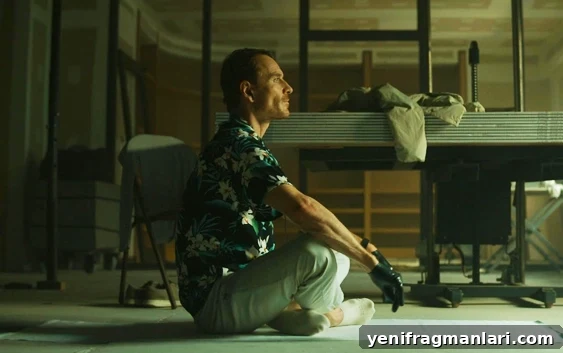
At its core The Killer follows Michael Fassbender as a methodical, detached assassin whose routine unravels when an assignment goes wrong. The narrative is straightforward—a professional’s life thrown into chaos—but the film’s strengths lie in how it unpacks that premise. Fincher and screenwriter Andrew Kevin Walker define the character’s world through rules and rituals, then use those constraints to explore identity, morality and the quiet tensions beneath violent change. The opening sequence, set in Paris, introduces the protagonist through calm, extended takes and Fassbender’s resonant narration. It’s a patient, elegant scene that communicates boredom as the assassin’s hardest adversary: the long stretches of waiting, the training that suppresses empathy, and the coded professionalism that separates him from ordinary life.
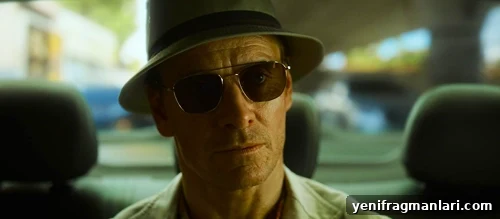
Fassbender’s performance anchors the film. He speaks sparingly on screen, so much of the character’s interior life is conveyed through posture, small gestures and an economy of movement. This restraint pays off: every deliberate motion reads as evidence of training and discipline, and Fincher’s exacting camera work amplifies those details. Where contemporary action films often prioritize spectacle, The Killer favors precision. Action is present but measured; its sparseness makes the violent moments hit harder because they contrast with the film’s prevailing stillness. That design choice reframes the story as a character study rather than a pure action thriller.
Walker’s script supplies the philosophical ballast needed to make the assassin more than a function. By establishing clear behavioral rules early on, the film gives viewers a mental touchstone to track the protagonist’s changes. As the plot tightens and other hitmen close in, the screenplay allows us to both empathize with and analyze the Killer’s decisions. Fincher leans into that ambiguity, staging moral push-and-pull scenes that pressure the audience’s expectations. At moments you believe the narrative will resolve in one way; then it takes a colder, more meticulous turn. That unpredictability, rooted in character logic rather than gimmick, is one of the film’s quiet achievements.
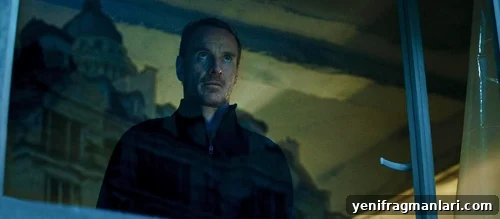
Fincher’s direction is unmistakable: a cool palette, controlled framing and a rhythm that emphasizes deliberation. These directorial choices recall the same clinical exactness he brought to characters like Amy Dunne or Mark Zuckerberg, but applied here to a profession defined by silence and protocol. The film’s score, sound design and editing all support that aesthetic—nothing is wasted, and the restraint reinforces the protagonist’s emotional landscape. For viewers expecting constant kinetic set pieces, the film may feel subdued, but that restraint is precisely what gives its most intense sequences impact. When violence does erupt, it lands with a clarity and consequence that louder movies often miss.
There is also an industry context to consider. Some of Fincher’s recent work for streaming platforms has prompted debate about how the medium affects a director’s legacy. While other streaming-era projects have sometimes been described as fleeting in public conversation, The Killer demonstrates that Fincher still commands the craft and eye that made his earlier films stand out. The movie doesn’t reinvent the assassin genre, but it refines it—turning familiar ingredients into a taut, chilly study of professionalism, isolation and the breakdown of systems that seem unbreakable.
In short, The Killer is a sleek, disciplined thriller that is as much about a mindset as it is about action. Its combination of spare violence, exacting direction and a committed central performance makes it one of the more compelling films of 2023. If the film’s measured style leaves some viewers wanting more spectacle, it rewards those who appreciate tightly controlled filmmaking and subtle character work.
Score: 23/24
Rating: 5 out of 5.
Recommended reading: David Fincher Movies Ranked