
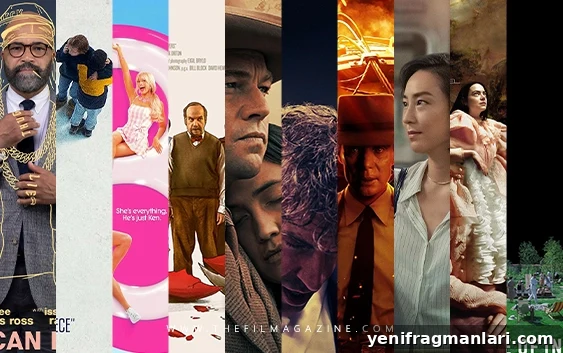
The Academy of Motion Picture Arts and Sciences’ Best Picture nominees for 2024 form an eclectic and powerful group: internationally acclaimed non-English-language films, intimate American dramas, and some of the most successful blockbusters in recent years. This selection highlights a range of cinematic voices and styles, celebrating both emerging talents and established auteurs.
Notably, three of this year’s Best Picture nominees were directed by women — the most in any single year in Oscar history — and the list includes two impressive debut features and one standout sophomore effort. Representation also marks this year’s slate: Lily Gladstone became the first Native American nominated for Best Actress for her work in Killers of the Flower Moon, and Robbie Robertson received a posthumous nomination for Score. In addition, multiple women earned noms for Best Editing for the first time since 2015, reflecting greater recognition for work behind the camera.
Each nominated film embodies a distinctive creative vision. Many come from authorial filmmakers who have developed recurring themes across their careers and who offered some of their most accomplished work in 2023. Together, these films defined the year as one in which audiences welcomed ambitious, craft-driven cinema over formulaic studio fare. This ranking evaluates the 2024 Best Picture nominees by artistry, cultural impact, significance, and overall quality, and presents them in order from tenth to first.
Follow @thefilmagazine on X (Twitter).
10. American Fiction
American Fiction Review
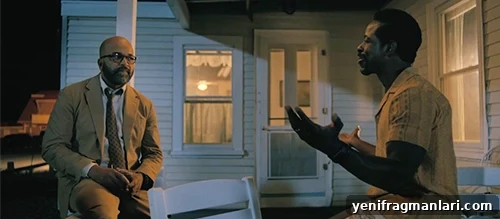
Cord Jefferson’s directorial debut, American Fiction, is a moving, often funny slow-burn that combines sharp social observation with richly drawn characters. Jeffrey Wright anchors the film with a layered performance as a novelist who responds to the publishing industry’s appetite for stereotypical Black narratives by writing a deliberately simplified book. The ensemble cast delivers memorable, character-driven work, and the screenplay offers opportunities for both comedy and deep emotional resonance.
While not as visually experimental as several other nominees, American Fiction stands out for its warm, actor-friendly approach and finely tuned character arcs. A few tonal shifts can feel uneven, but the film’s intelligence and performances make it a rewarding experience for viewers who appreciate quiet, character-led storytelling.
9. Past Lives
Past Lives Review
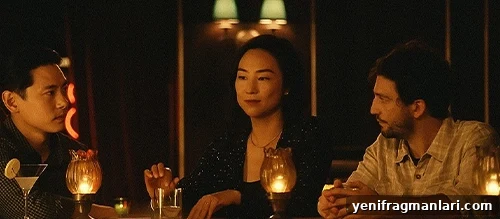
Celine Song’s Past Lives is a delicate romantic drama informed by Korean philosophy and contemporary life. The film explores the quiet ache of relationships and fate through the story of Nora (Greta Lee) and Hae Sung (Teo Yoo), former childhood friends who reconnect years later. The notion of in-yun — a belief in connections across lifetimes — underpins the film’s gentle, lyrical structure.
Past Lives excels in its performances and in the emotional subtext that unfolds beneath understated dialogue. Visually, the film favors classic, restrained choices over bold experimentation, which serves its intimate tone. This sophisticated debut confirms Song as a promising filmmaker, offering a tender, heartbreaking portrait of memory, longing, and the roads not taken.
8. Maestro
Maestro Review
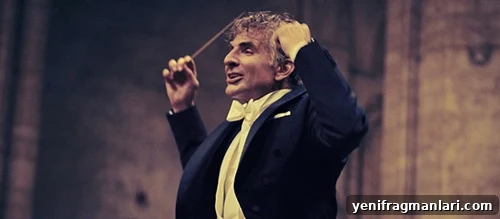
Bradley Cooper’s Maestro offers some of the year’s most striking shot composition and a number of breathtaking set-piece moments. The biopic of Leonard Bernstein pays close attention to period detail, wardrobe, and performance, anchored by Cooper and Carey Mulligan, the latter delivering many of the film’s most intimate emotional beats.
Cinematographer Matthew Libatique’s choices — including varied color palettes and long takes — enhance the film’s elegance and ambition. At times the script struggles with exposition and some dialogue feels overwrought, but the film’s visual splendour and committed performances make Maestro a notable achievement in craft and a worthy Best Picture nominee.
7. Barbie
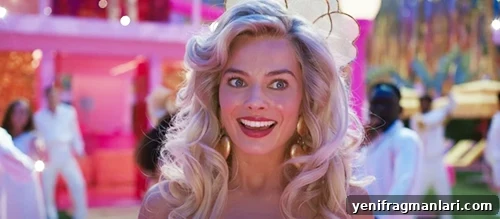
Barbie Review
Greta Gerwig’s Barbie became a cultural phenomenon that reoriented how audiences and studios view female-led blockbusters. The film combines vibrant production design, bold color palettes, and large-scale musical sequences with a thoughtful exploration of gender roles and identity. Margot Robbie’s Barbie embarks on a journey from a manufactured paradise into the real world, confronting patriarchal expectations and the complexities of adulthood.
Barbie’s ambition lies in marrying Gerwig’s characteristic human-scale insights with blockbuster spectacle. While other nominees may dig deeper thematically or visually in different directions, Barbie’s cultural impact and inventive staging secure its place among the year’s most significant films.
6. Anatomy of a Fall
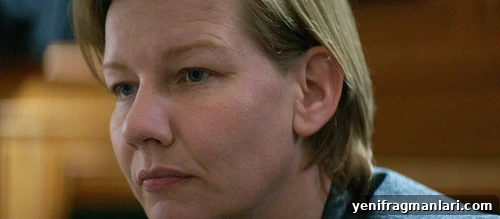
Anatomy of a Fall Review
Justine Triet’s Anatomy of a Fall is a compelling courtroom drama that won the Palme d’Or at Cannes and earned Triet a Best Director nomination. The film examines a complex marriage after the suspicious death of the husband and follows the trial that forces viewers to evaluate evidence, motive, and the tendency to judge through voyeuristic curiosity.
Anchored by a powerful lead performance from Sandra Hüller and an exacting script, the film probes gender dynamics and public scrutiny. Its procedural structure and focus on dialogue and performance make it emotionally gripping, though its reliance on courtroom conventions leaves less room for the kind of visual innovation present in some other nominees.
5. Poor Things
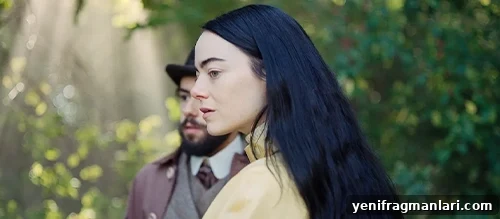
Poor Things Review
Yorgos Lanthimos’ Poor Things is an expressionistic, visually daring film that tackles sexualization and gender politics with a surreal, arthouse sensibility. Emma Stone leads as Bella Baxter, a reimagined Frankenstein figure whose awakening prompts a vigorous interrogation of power, desire, and autonomy.
The film stands out for its bold production design, imaginative cinematography, and striking costume work. While its final act can feel uneven and some characters remain sketchier than the film’s visuals, Poor Things is a memorable, provocative piece that showcases Lanthimos’ unique directorial voice.
4. The Holdovers

The Holdovers Review
Alexander Payne’s The Holdovers is a quiet, character-focused film that highlights compassion beneath curmudgeonly surfaces. Paul Giamatti delivers one of his finest performances as a withdrawn boarding school teacher tasked with supervising an adolescent student over a holiday break. Their unlikely bond yields warmth, humour, and emotional insight.
Payne’s strength for precise, meaningful dialogue and his gift for revealing depth in everyday moments make this film an affecting piece of cinema. It may not push formal boundaries, but its restraint and empathy make it one of the year’s most humane and satisfying works.
3. Oppenheimer

Oppenheimer Review
Christopher Nolan’s Oppenheimer is a monumental, fiercely intelligent film that explores the moral and existential consequences of creating the atomic bomb. Anchored by Cillian Murphy’s commanding performance, the film mixes formal innovation with dense historical drama, using IMAX photography and practical effects to heighten its emotional and visual impact.
Nolan’s use of expressionistic techniques and a rigorous sense of structure expands his authorial language and delivers one of the decade’s most accomplished works. Oppenheimer is both technically masterful and thematically urgent, asking difficult questions about science, power, and responsibility.
2. Killers of the Flower Moon
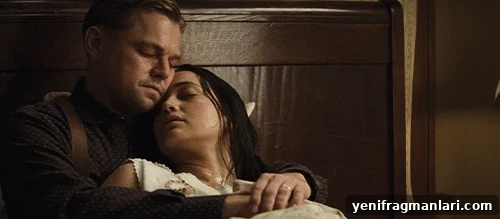
Killers of the Flower Moon Review
Martin Scorsese’s Killers of the Flower Moon is a sweeping, morally urgent epic that reexamines a tragic chapter of American history: the systematic exploitation and murder of the Osage Nation for their oil wealth. Lily Gladstone gives a powerful central performance, and Leonardo DiCaprio and Robert De Niro contribute layered turns that feed the film’s moral complexity.
Scorsese blends elements of thrillers, period drama, and social critique to craft a long, immersive film that both informs and indicts. Thelma Schoonmaker’s editing and the film’s evocative score help maintain narrative momentum across its lengthy runtime, making this a major late-career triumph for one of cinema’s most consequential directors.
1. The Zone of Interest
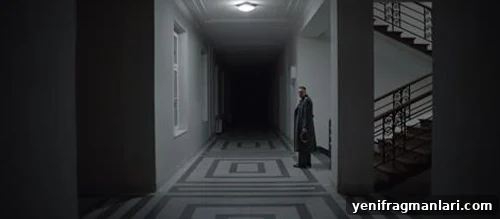
The Zone of Interest Review
Jonathan Glazer’s The Zone of Interest is an austere, deeply considered film that examines the Holocaust from the unnerving vantage point of perpetrators whose domestic lives sit alongside atrocity. Its restrained mise-en-scène, controlled color palette, and meticulous production design generate a cold, dissonant effect that exposes complicity and moral blindness.
Glazer and cinematographer Łukasz Żal employ a deliberately detached visual approach that makes quotidian scenes feel horrific by association. The film’s formal discipline and moral clarity position it as a singular achievement in modern cinema — subtle, devastating, and unforgettable.
This year’s Best Picture nominees showcase a rare range of cinematic ambition, from intimate dramas to large-scale historical epics and bold arthouse experiments. Which of these films resonated most with you? Share your thoughts and reflect on the storytelling and craft that made 2023 such a memorable year for cinema.