
Red, White and Blue (2023)
Director: Nazrin Choudhury
Screenwriter: Nazrin Choudhury
Starring: Brittany Snow, Juliet Donenfeld, Redding Munsell, Mo Collins, Jud Tyler
The United States is a vast and complex country, boasting the world’s largest economy while simultaneously maintaining a healthcare system that too often ties access to wealth. In practice, access to medical care can hinge on race, gender, geography and socioeconomic status, and is frequently mediated by private companies and third-party providers who prioritise profit over need. This dynamic turns basic health decisions into political battlegrounds, exposing people—particularly women and the most vulnerable—to policies that limit freedom of choice and life-saving options. Nazrin Choudhury’s short film Red, White and Blue confronts one of the clearest and most charged examples of that clash: abortion access.
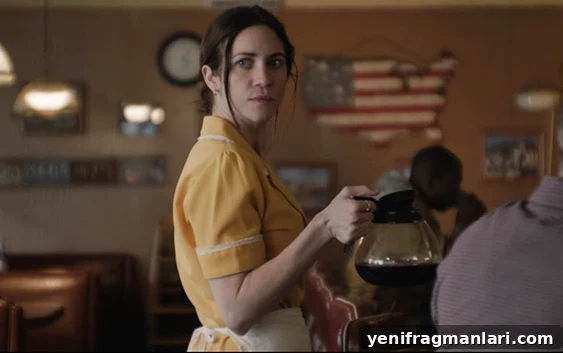
Nominated in the Live Action Short category at the 96th Academy Awards, Red, White and Blue follows a mother who must travel across state lines to obtain an abortion. The film frames this journey as both personal and systemic: a story about one woman’s immediate need and the broader social forces that make accessing care so difficult. Choudhury’s screenplay resists sensationalism, portraying the protagonist as a hard-working diner waitress who sleeps in her living room, cares for her children between shifts, and scrapes together enough money to drive eight hours from Arkansas to Illinois. This modest premise allows the film to examine how law, politics and economic disparity intersect to shape people’s lives.
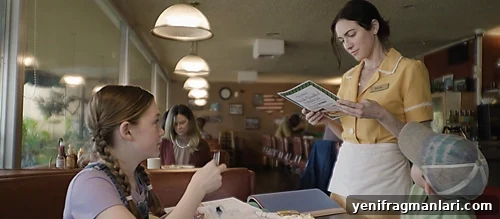
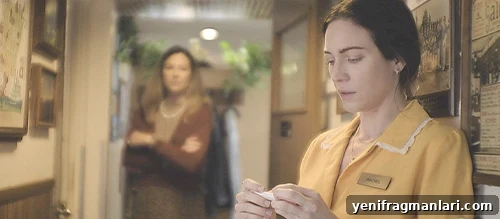
Brittany Snow brings quiet authority to the central role, grounding the character in small, believable gestures that build a deep emotional connection. The film unfolds deliberately across its 22-and-a-half-minute runtime. The first half prioritises character detail and atmosphere, allowing viewers to feel the stakes rather than being told them explicitly. Only later does the narrative reveal key information that reshapes the story’s context—an editing and storytelling choice that makes the emotional payoff more powerful when it arrives.
The cinematography by Adam Suschitzky is restrained and effective. Using natural light and contemporary colour grading, the film finds dignity in ordinary interiors and roadside landscapes. Camera movements are purposeful and spare, avoiding stylistic flourishes that could distract from the performances. Phillip J. McLaughlin’s editing supports a steady, intimate rhythm, preserving the drama of small decisions and the cumulative weight of the protagonist’s journey.
At its core, Red, White and Blue is an emotional film. It channels frustration, fear and resilience without losing sight of the human beings at its centre. The political critique is clear, but the film never reduces its characters to mere symbols. Instead, it emphasizes empathy, portraying the protagonist’s choices through a humane lens that invites understanding rather than judgement.
There is a narrative revelation in the film’s second half that lands with real force—an uncompromising moment that highlights the stakes and the cruelty of systems that restrict reproductive autonomy. That sequence lingers: it is raw, affecting and designed to provoke reflection. The film’s power comes not from polemic alone but from its commitment to humane storytelling and its ability to make audiences feel the consequences of policy on everyday lives.
The film also asks a difficult question about national identity and rhetoric. When a country proclaims itself “the land of the free,” what does that mean if citizens’ bodily autonomy and access to healthcare are contingent on politics or geography? Red, White and Blue forces viewers to confront this contradiction, exposing how legal decisions about reproductive care can become tools of control rather than protections of liberty.
Writer-director Nazrin Choudhury balances anger with compassion, crafting a short film that both critiques systemic injustice and centres individual dignity. The result is a moving, timely piece that speaks to ongoing debates about healthcare, reproductive rights and social inequality. It’s a film that asks viewers to consider the human cost of policy and to recognize the urgency of protecting access to essential care.
In short, Red, White and Blue is a must-see short that combines strong performances, thoughtful direction and disciplined cinematography to deliver a narrative that is as intimate as it is politically urgent. It evokes anger, empathy and a call to attention—qualities that make it a significant contribution to contemporary cinema addressing healthcare and reproductive rights.
Score: 21/24
Rating: 4 out of 5.
Note: Red, White and Blue is available to purchase or stream on Vimeo (title listed on VOD platforms).