
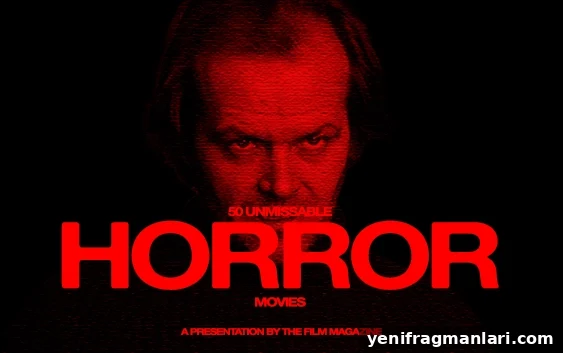
Iconic director and horror pioneer John Carpenter once said, “We’re all afraid of the same things — that’s why horror is such a powerful genre.” He’s right: cinema has repeatedly shown that monsters hiding in the dark, killers blending into everyday life, strange creatures from distant places, and the physical expressions of mental anguish can all tap into universal fears. For more than a century audiences across the globe have returned to these stories to feel the thrill of dread and the catharsis of confronting those fears safely. These films unite viewers through shared anxieties and the visceral power of cinematic fright.
In this curated Movie List from The Film Magazine, contributors with film studies backgrounds selected what they consider the most significant horror film releases in history. They combined artistic merit, influence, cultural importance, and lasting appeal to distill a longlist of more than 200 films into a definitive list of 50 Unmissable Horror Movies. Each film below is presented in chronological order by year, numbered from 1 to 50. These selections have endured because they shaped the genre, influenced other filmmakers, and impacted wider culture. Bookmark this list as a watchlist of essential horror cinema.
1. The Cabinet of Dr. Caligari (1920)
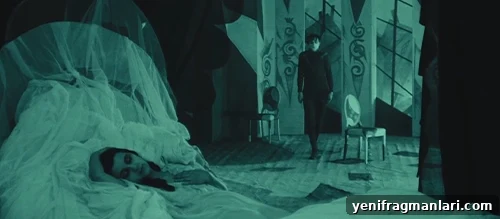
Robert Wiene’s The Cabinet of Dr. Caligari is often credited with inventing many visual and thematic elements that define horror cinema. With distorted sets, stark lighting, and a pervasive sense of a world out of joint, the film depicts a somnambulist named Cesare and the sinister Dr. Caligari. The expressionist mise-en-scène communicates inner psychological torment and a fractured reality. The film’s iconic look and unsettling atmosphere influenced German Expressionism and resonated throughout film history, inspiring writers and scholars to explore cinema’s relationship to societal psychology.
2. Nosferatu (1922)
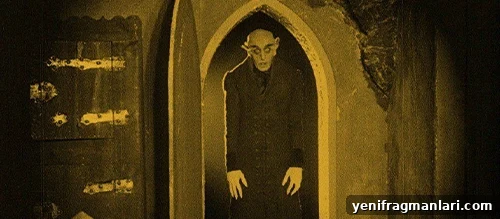
F.W. Murnau’s Nosferatu adapted Bram Stoker’s Dracula unofficially and created one of cinema’s earliest enduring monsters. Max Schreck’s Count Orlok—rat-like, clawed, and unnerving—set a template for terrifying screen creatures. Many visual tropes from Nosferatu, such as inventive use of shadows and eerie reveals, reappear across decades of filmmaking. Despite legal troubles at release, the film’s haunting imagery and influence on horror remain profound.
3. The Phantom of the Opera (1925)
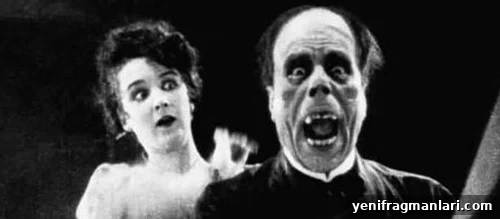
Universal’s silent adaptation of Gaston Leroux’s novel showcases Lon Chaney’s transformative makeup and the terrifying reveal of the Phantom’s face. Lavish sets, memorable suspense sequences, and Chaney’s dedication to conceal the monster’s makeup until release made this film a landmark in silent-era horror and a lasting source of influence for later adaptations.
4. Dracula (1931)
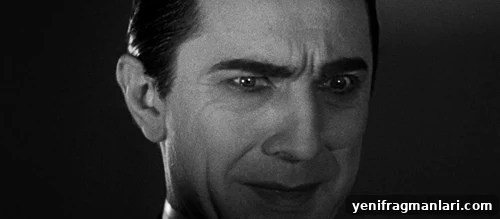
Tod Browning’s Dracula, starring Bela Lugosi, popularized the stage-derived screen vampire and launched Universal’s classic monster cycle. Lugosi’s measured delivery and commanding presence created the definitive cinematic Dracula persona—accent, posture, and all—and helped establish the gothic horror template for decades.
5. Frankenstein (1931)
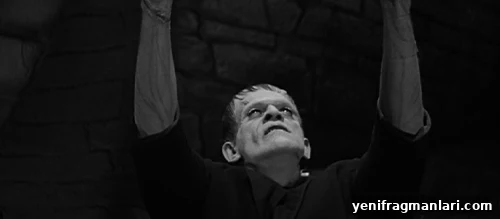
James Whale’s Frankenstein brought Mary Shelley’s novel to vivid life and introduced Boris Karloff’s iconic creature. Although the film alters elements of the source, its emotional power, moral complexity, and haunting finale cemented the story in cinematic form and shaped modern perceptions of Frankenstein’s monster.
6. White Zombie (1932)
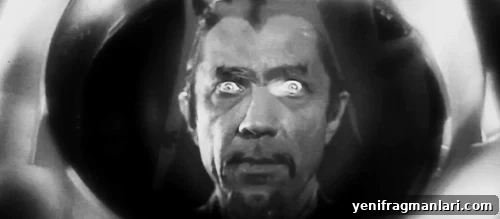
Often cited as the first feature-length zombie film, White Zombie channels Haitian voodoo lore into an unsettling narrative featuring Bela Lugosi as a voodoo master. Its portrayal of reanimated slaves influenced early zombie tropes and remains historically important despite modest production values.
7. Bride of Frankenstein (1935)
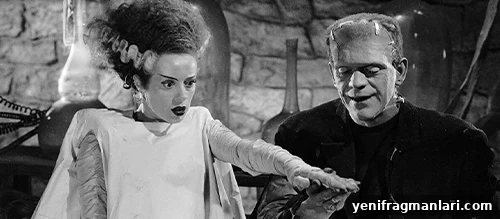
James Whale’s sequel is often regarded as one of the rare follow-ups that equals or surpasses its original. Bride of Frankenstein restores elements from Shelley’s novel, gives the monster a voice, and introduces Elsa Lanchester’s memorable Bride—an image that has endured in film history. With superb performances, atmospheric sets, and an evocative score, the film deepened the Frankenstein mythos.
8. Cat People (1942)
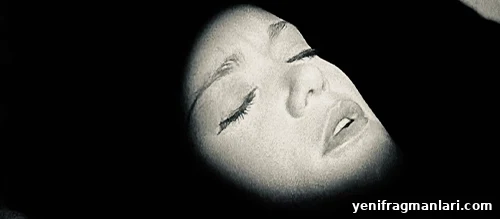
Val Lewton’s Cat People turned limited budget into creative advantage. Its use of shadows, suggestion, and carefully timed jump scares established techniques for psychological and atmospheric horror. The film’s suspenseful set pieces—especially the pool and bus scenes—remain influential as early examples of economy and craft producing intense dread.
9. Gojira (1954)
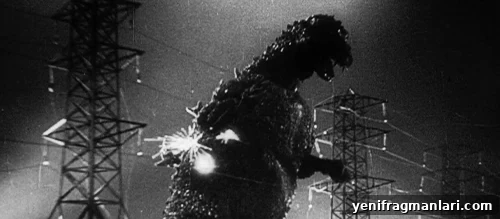
Ishirō Honda’s Gojira (Godzilla) created the modern kaiju film and served as a potent metaphor for nuclear devastation. Combining miniatures, practical effects, and a powerful allegory tied to recent wartime trauma, Godzilla evolved into a global franchise and a towering cultural icon.
10. Invasion of the Body Snatchers (1956)
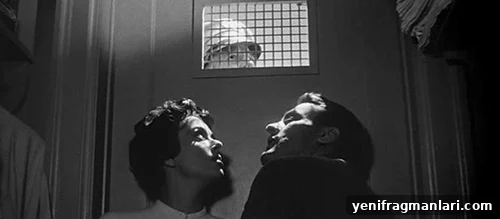
A defining Cold War-era parable, Don Siegel’s Invasion of the Body Snatchers uses an escalating sense of community-wide replacement to explore conformity, paranoia, and loss of individuality. Its bleak tone and the memorable concept of “pod people” have made it a lasting cultural shorthand for societal fear.
11. Black Sunday (1960)
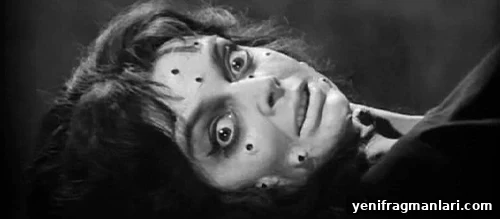
Mario Bava’s Black Sunday pushed boundaries of shock and gore for its time and helped set the stage for Italian horror and the giallo movement. Drawing on Gothic and folk horror elements, Bava’s direction and visual flair marked him as an influential figure for generations of European genre filmmakers.
12. Peeping Tom (1960)
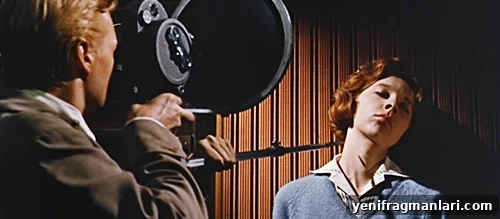
Michael Powell’s Peeping Tom examines voyeurism, trauma, and cinema itself. Initially reviled, the film is now recognized for its incisive critique of spectatorship and its influence on later slasher and psychological horror filmmakers. Its layered treatment of seeing and being seen remains provocative and relevant.
13. Psycho (1960)
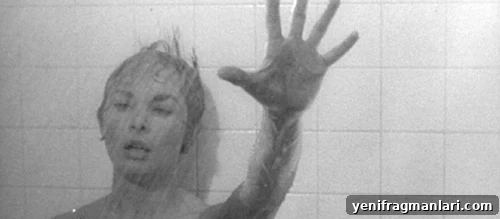
Alfred Hitchcock’s Psycho reinvented suspense and shocked audiences with its formal boldness, memorable performances, and the now-iconic shower sequence. Hitchcock’s tight direction, Bernard Herrmann’s score, and narrative audacity influenced countless thrillers and horror films that followed.
14. The Birds (1963)
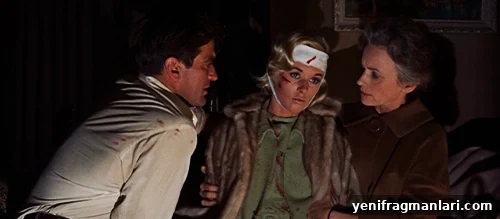
Hitchcock’s The Birds delivers an ambiguous and unsettling assault by nature, offering no clear explanation for the violence. Its blend of dread, spectacle, and unpredictability shaped later films about humanity’s precarious relationship with the natural world.
15. Blood and Black Lace (1964)
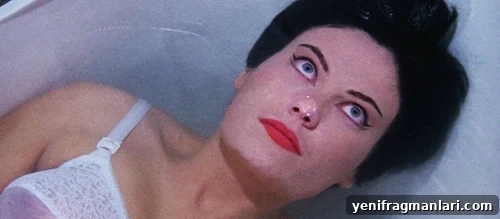
Mario Bava’s Blood and Black Lace codified many giallo conventions: lurid colors, brutal murder set pieces, and the mysterious gloved killer. Its stylistic boldness and violent imagery influenced European and American thrillers, and its aesthetic echoes can be seen in horror and art cinema alike.
16. Kwaidan (1964)
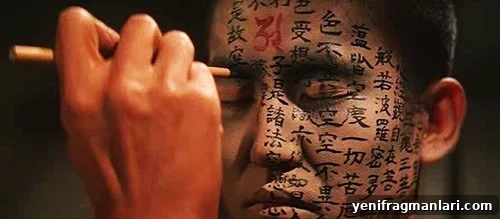
Masaki Kobayashi’s Kwaidan is an anthology drawn from Japanese folk tales that emphasizes atmosphere, meticulous production design, and haunting visual storytelling. Each segment approaches the supernatural with restraint and poetic imagery, making Kwaidan a celebrated example of culturally rooted horror on the international stage.
17. Onibaba (1964)
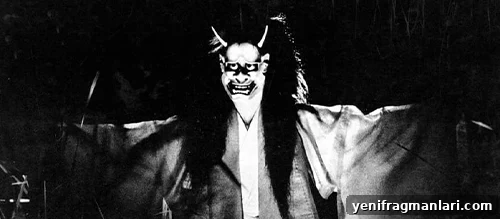
Onibaba is a stark, haunting period thriller that uses a demonic mask and the pressures of survival during civil conflict to explore guilt, desire, and moral collapse. Its stark black-and-white cinematography and menacing atmosphere have left a lasting impression on filmmakers worldwide.
18. Night of the Living Dead (1968)
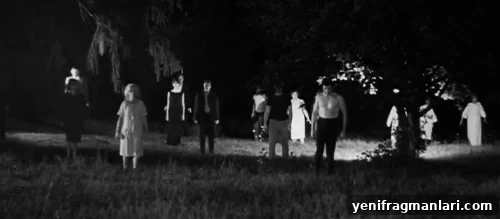
George A. Romero transformed the undead from voodoo figures into ravenous, cannibalistic corpses with Night of the Living Dead. Its social commentary, stark black-and-white newsreel feel, and emphasis on human conflict as much as on monsters remade the zombie genre and popular culture’s image of the undead.
19. Rosemary’s Baby (1968)
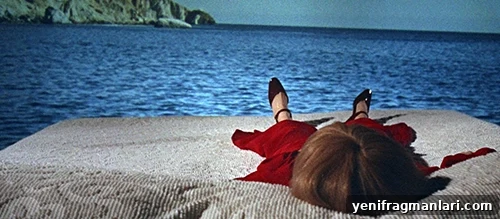
Roman Polanski’s Rosemary’s Baby relocates satanic conspiracy into the close quarters of New York City, making betrayal and invasion of privacy feel intimate and terrifying. The film’s slow-burn paranoia and unsettling domestic atmosphere made it a benchmark in psychological and occult horror.
20. The Exorcist (1973)
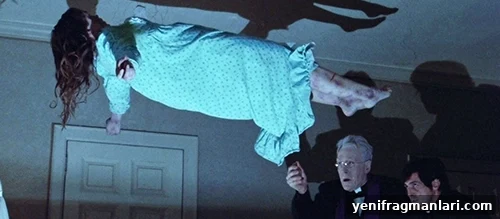
William Friedkin’s The Exorcist fused the sacred and the profane in a cinematic event that shocked audiences. Grounded performances, revolutionary makeup, and an unflinching approach to demonic possession made the film an international phenomenon and a standard for possession narratives in the decades that followed.
21. The Wicker Man (1973)
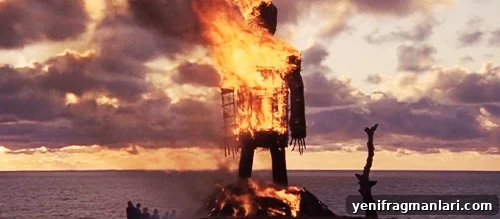
Robin Hardy’s The Wicker Man is a seminal folk-horror film in which pagan ritual, communal secrecy, and a devoutly stubborn protagonist collide. Its daytime dread and creeping revelation of communal belief make it essential viewing for any exploration of rural and ritual-based horror.
22. The Texas Chain Saw Massacre (1974)
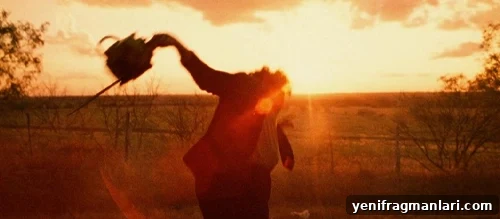
Tobe Hooper’s raw, relentless slasher set a new standard for visceral discomfort and grim atmosphere. Its documentary-like grit, marketing that hinted at true crime, and creation of Leatherface as a primal horror icon changed expectations for what low-budget horror could achieve in terms of intensity and cultural impact.
23. Jaws (1975)
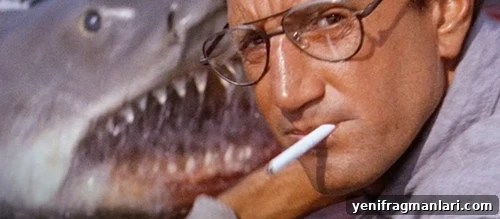
Steven Spielberg’s Jaws combined suspenseful pacing, iconic music, and fear of the unseen predator to create the modern summer blockbuster and redefine studio marketing and distribution. Its cultural ripple effect even influenced public perception of sharks, making the film a landmark in both horror and mainstream cinema.
24. Carrie (1976)
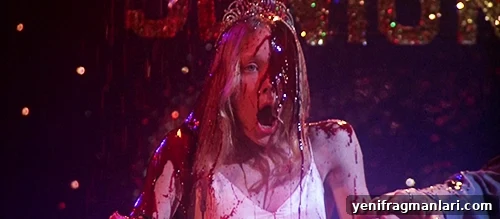
Brian De Palma’s adaptation of Stephen King’s Carrie uses telekinesis as a potent metaphor for puberty, social exclusion, and repressed rage. The film’s prom-climax remains one of the most iconic set pieces in horror, and Sissy Spacek’s performance anchors the story’s emotional core.
25. Suspiria (1977)
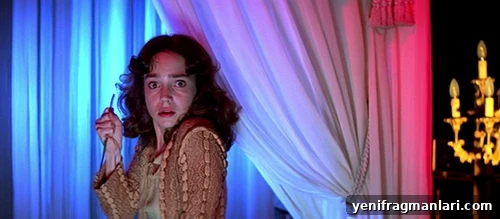
Dario Argento’s Suspiria is less narrative-driven than experiential: a psychedelic, color-saturated descent into surreal horror set at a dance academy. Its bold lighting, Goblin score, and stylized violence created an immersive visual and auditory experience that remains a touchstone of artful horror.
26. Halloween (1978)
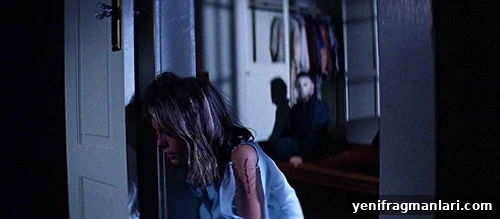
John Carpenter’s Halloween distilled suspense to its essence and introduced Michael Myers as an emotionless embodiment of evil. Carpenter’s spare direction, DIY production ingenuity, and the film’s minimalist synthesizer score shaped the slasher template and influenced decades of independent horror filmmaking.
27. Alien (1979)
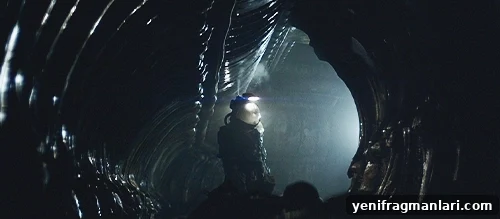
Ridley Scott’s Alien fused science fiction and horror with H.R. Giger’s biomechanical designs and intense production design to deliver a claustrophobic, terrifying encounter with an implacable alien life form. Sigourney Weaver’s Ripley became a defining feminist action-horror protagonist, and the film launched a major franchise and influenced countless space-based horrors.
28. Friday the 13th (1980)
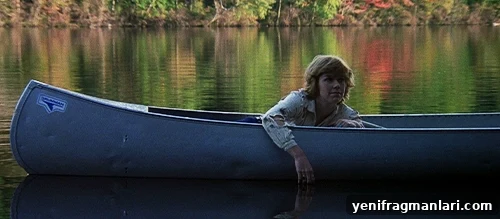
Sean S. Cunningham’s Friday the 13th amplified on slasher conventions by delivering more explicit effects and memorable kills, helped by Tom Savini’s effects work. Its commercial success established slasher formulas and launched a long-running franchise that permeated 1980s horror culture.
29. The Shining (1980)
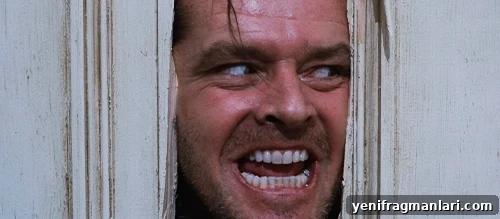
Stanley Kubrick’s The Shining turned Stephen King’s haunted-hotel tale into a formal, unsettling masterpiece. Through meticulous framing, uncanny production design, and haunting performances, the film creates a pervasive sense of wrongness and has become one of the most analyzed and referenced works in horror cinema.
30. The Evil Dead (1981)
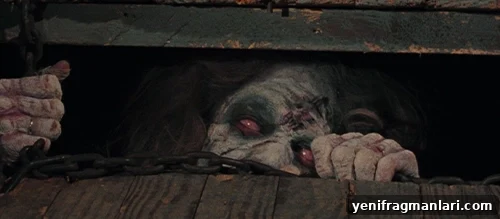
Sam Raimi’s debut transformed cabin-in-the-woods folklore into a frenetic, gory, and inventive horror-comedy hybrid. Its kinetic camera work, relentless gore, and Bruce Campbell’s Ash created a cult legend and an enduring franchise, proving that low-budget passion can spawn influential classics.
This selection of 30 entries above represents the first portion of a 50-film list that surveys horror cinema’s evolution: early expressionist works, Universal and Hammer’s Gothic cycles, postwar allegories, modern slasher and creature films, international contributions, and contemporary masterpieces. Each title has been chosen for its lasting influence, artistic achievement, or cultural significance. The full list continues through defining works of subsequent decades that reshaped the genre and reflected changing social anxieties and cinematic techniques.
The selections in this article were compiled by contributors at The Film Magazine. If you have favorite genre films you feel should be included, consider revisiting these classics and sharing your recommendations with other horror fans.