
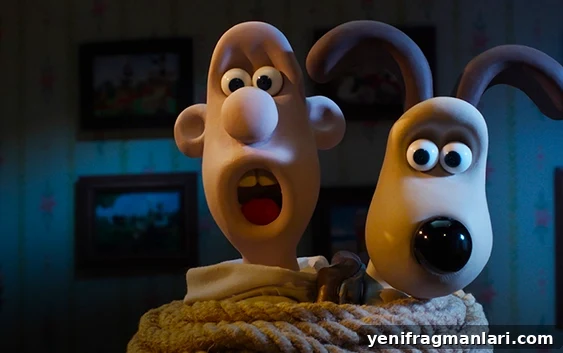
Wallace and Gromit: Vengeance Most Fowl (2024)
Directors: Nick Park, Merlin Crossingham
Screenwriter: Mark Burton
Starring: Ben Whitehead, Peter Kay, Reece Shearsmith, Lauren Patel, Diane Morgan, Adjoa Andoh, Lenny Henry
After a lengthy hiatus since 2008’s A Matter of Loaf and Death, Wallace and Gromit return in a full-length adventure that respects the original shorts while offering fresh energy. The long gap between films grew from several causes: Peter Sallis’ retirement and later passing, which led to Ben Whitehead taking over the role, and creator Nick Park’s reluctance to make another feature after difficult experiences with studio interference on The Curse of the Were-Rabbit. Despite that, this new entry arrives as a confident legacy sequel that revisits familiar territory while delivering new delights for fans old and new.
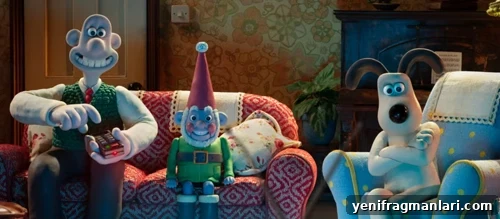
The central antagonist—and the movie’s irresistible hook—is the return of Feathers McGraw, the rubber-gloved penguin and diamond thief first seen in The Wrong Trousers (1992). Years after Feathers’ incarceration, Wallace has built a Smart Gnome called Norbot (voiced by Reece Shearsmith) to help with the garden. Feathers hijacks the gnome in a bid to escape the zoo, steal back the Blue Diamond, and flee the county. As always, Gromit must do the detective work, prove Wallace’s innocence, and stop Feathers’ scheme, all while navigating a host of comic misdirections and cleverly staged set pieces.
Returning to the clay-animated world feels exactly like slipping back into a beloved childhood book: tactile, detailed, and full of warmth. The characters have been preserved faithfully. Ben Whitehead’s voice work channels Sallis with enough nuance that viewers spend more time enjoying the story than noticing the change in actors. Wallace remains the eccentric, cheese-devoted inventor, while Gromit retains his expressive, silent competency—both unchanged in ways that are reassuring rather than stale.
Feathers, meanwhile, is as menacing and theatrical as ever. The villain’s mix of broad physical comedy and sinister intent makes him a perfect match for this style of storytelling. His return feels purposeful rather than nostalgic window dressing; the film uses his personality to build tension and comedy in equal measure.
This movie functions as a celebration of everything that makes Wallace and Gromit special. It purposefully threads in nods to earlier films—small Easter eggs like cheese-related jokes and more notable reappearances such as P. C. Mackintosh from The Curse of the Were-Rabbit—without depending entirely on nostalgia. Those callbacks support a central emotional arc: Wallace finally recognizes how much he depends on Gromit. Gromit, often sidelined in dialogue, receives a heartfelt acknowledgment that lands as a genuine emotional payoff for longtime viewers.
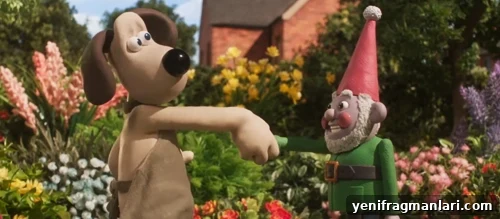
The film brims with cinematic references and visual gags delivered at a furious pace. Alongside direct homages to genre films, there are smaller, cleverly planted jokes and countless visual details that reward repeated viewings. The craftsmanship is still evident—intricate sets, handcrafted models, and carefully timed physical comedy—but the presentation is a touch cleaner than earlier entries. Those tiny fingerprints and imperfections that once emphasized the handmade quality are subtler now; the animation is pristine, which sometimes dilutes the rougher charm fans remember. Even so, the artistry remains impressive and tactile.
A modern sensibility colors much of the humor. Contemporary references—captchas, smart devices, and current tech gags—anchor the film to the early 2020s. While these choices make the movie immediately relatable, they also risk dating it more quickly than the more timeless jokes of earlier shorts. Overall, those moments are minor quibbles in a film that otherwise captures the spirit of the series.
Where the film excels is in balancing heart, humor, and a slightly eccentric British madness that defines Aardman. It remains a family-friendly adventure with moments of genuine pathos and plenty of visual invention. The pacing is lively and occasionally frenetic, which keeps younger viewers engaged while giving adults plenty to appreciate on subsequent viewings. The final sequences—featuring chase set pieces and cleverly staged practical effects—remind the audience why stop-motion can feel more alive than many modern effects-driven blockbusters.
Vengeance Most Fowl is a joyous, inventive return for Wallace and Gromit. It’s not merely a rehash of past glories; it’s a confident sequel that honors the originals, celebrates the franchise’s craft, and delivers heartfelt moments that reward longtime fans. Imperfect in small ways, it still succeeds as an exuberant, lovingly crafted film made with real hands and human artistry.
Score: 20/24
Rating: 4 out of 5.
Recommended for you: Wallace and Gromit Movies Ranked