
Aftersun (2022)
Director: Charlotte Wells
Screenwriter: Charlotte Wells
Starring: Paul Mescal, Frankie Corio, Celia Rowlson-Hall
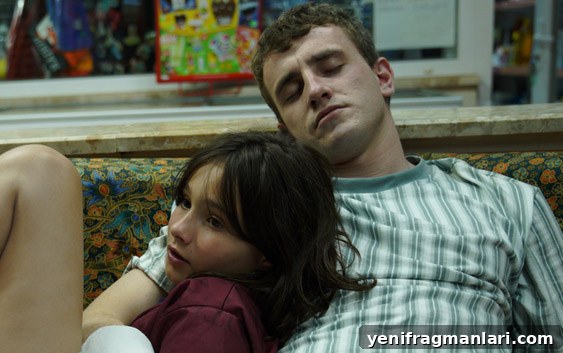
Charlotte Wells’ feature debut, Aftersun, arrived to wide critical praise after premiering during Cannes Critics’ Week and opening the 2022 Edinburgh International Film Festival in the UK. The film chronicles a short holiday in Turkey taken by a father and his young daughter—Calum (Paul Mescal) and Sophie (Frankie Corio). On the surface it is a modest, intimate story, yet the film’s restraint and attention to detail make it quietly powerful.
Aftersun unfolds with a subtle, deliberate rhythm. Wells edits with a natural, almost conversational flow; cuts arrive where a blink or a pause would occur in real life, and the film’s tempo mirrors memory itself. This editorial approach reinforces the movie’s central theme: the way ordinary moments can carry complex emotional weight. Rather than dramatizing conflict with loud confrontations, Wells lets small actions and glances suggest the tension that lies beneath the pair’s warm interactions.
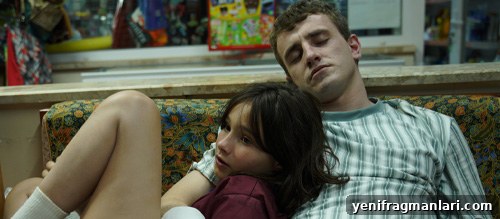
The relationship between Calum and Sophie forms the film’s emotional core. Mescal and Corio deliver performances that feel lived-in and unscripted. Corio’s Sophie is buoyant and curious, bringing a believable, spontaneous energy to the screen; her playful presence grounds many scenes and makes the father-daughter dynamic feel authentic. Mescal’s Calum is quieter, carrying a private burden while trying to be present for his child. His performance reveals layers of affection, fatigue, and anxiety without resorting to melodrama. Together they build a portrait of an ordinary family navigating moments of joy and strain.
Tension in Aftersun is handled with restraint. There are repeated instances that hint at unease—a father watching from a distance as his daughter plays with someone else, a child resisting a well-meaning gesture like sunscreen application. Wells allows these small moments to hang in the air, creating a sustained sense of uneasiness. That choice keeps viewers attentive and emotionally invested; the film’s power comes from anticipation rather than spectacle. The quiet pressure of those scenes makes the characters’ love and vulnerability feel more poignant.
Although the story centers on a single holiday, Wells uses detail to expand its emotional reach. Cinematography, sound design, and performance collaborate to suggest how memory compresses time and emphasizes certain scenes. Everyday routines—arcade games, poolside laughter, hotel rooms and late-night conversations—become the mediums through which deeper truths are intimated. Aftersun is less concerned with plot twists than with how fleeting moments accumulate into a larger, more affecting impression.
The film also offers a nuanced depiction of parenthood. It shows a caring father who sometimes struggles and a child who adores him, yet it avoids simplistic judgments. Wells treats parental love as complicated and real rather than idealized. This honesty contributes to one of the most compelling portrayals of a father-daughter relationship in recent cinema: it is tender, flawed, and unmistakably sincere.
In a year that celebrated complexity in blockbuster filmmaking, Aftersun stands out for the quiet precision of its simplicity. Charlotte Wells’ direction demonstrates confidence and sensitivity, producing a film that rewards careful watching. The film’s strength lies in its ability to turn ordinary interactions into emotionally charged moments, sustained by natural performances and a keen editorial sensibility.
Score: 24/24