
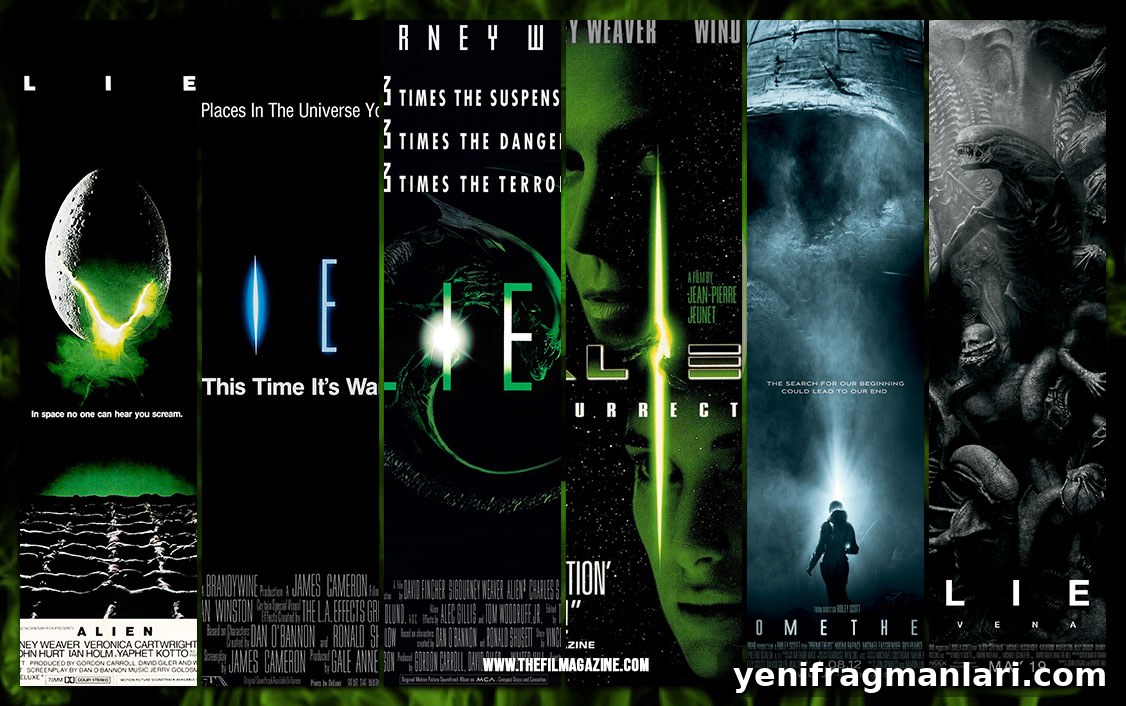
The Alien franchise burst onto screens in 1979 and quickly became a landmark of science fiction and horror. Introduced through Ridley Scott’s original vision, the series followed Sigourney Weaver’s Ellen Ripley and her crews as they confronted the lethal, biomechanical terror known as the Xenomorph. Over four decades the franchise evolved—shifting tones, exploring deeper mythology, and experimenting with action-driven installments and origin stories.
Across six main feature films, the series has featured memorable performances from Sigourney Weaver, John Hurt, Bill Paxton, Pete Postlethwaite, Charles Dance, Winona Ryder, Ron Perlman, Charlize Theron, Idris Elba, Katherine Waterston and Michael Fassbender, with creative leadership from directors including Ridley Scott, James Cameron and David Fincher. Beyond creature thrills, the Alien films often weave pointed commentary about corporate and militaristic power, giving the franchise both visceral scares and thematic weight.
6. Alien: Covenant (2017)

Alien: Covenant is widely regarded as the weakest entry in the series. Positioned as a follow-up to Prometheus, the film shifts focus to a fresh crew searching for a “new Earth,” only to encounter the remnants of the Engineers’ world and a corrupted android named David. The narrative culminates in David manipulating the Xenomorph’s evolution and leaving a ship filled with embryos—an ending that many viewers found discordant with the original Alien’s tone and sense of unknowable menace.
Critics and fans criticized Covenant for flattening the Xenomorph mythos into an explainable, almost domesticated phenomenon. Where earlier films reveled in mystery and atmosphere, Covenant often traded that unease for exposition and science-fiction mechanics, reducing much of the franchise’s primal horror in the process.
5. Alien 3 (1992)

Alien 3 contains striking moments and bold creative choices, but it remains uneven. Picking up immediately after Aliens, Ripley crash-lands on a grim prison world where, despite a bleak cast of characters and a grim setting, she faces another Xenomorph threat. The film’s core concept—Ripley carrying a deadly secret within her—offers compelling material, yet the execution was hampered by behind-the-scenes conflict and a reliance on early CGI that failed to match the practical effects of its predecessors.
Director David Fincher has since discussed how production interference affected the final film, and many fans consider that Alien 3 could have been stronger if its creative vision had been fully realized. Still, the movie’s darker tone and challenging themes add a distinctive chapter to Ripley’s saga.
Recommended for readers: David Fincher movies ranked and other career highlights.
4. Alien: Resurrection (1997)

Alien: Resurrection concludes Ripley’s original arc with a bold, science-fiction twist: Ripley is cloned years after her death and reunited with an experiment that blends human DNA with Xenomorph biology. The film returns to practical puppetry while integrating more advanced CGI, and Sigourney Weaver delivers a physically intense performance that underscores the story’s high stakes.
However, Resurrection’s most controversial element is the altered, more human-looking alien and the emotional dynamics between Ripley and that creature—choices that divided audiences. Despite those polarizing moments, the film restores some of the tactile horror missing from Alien 3 and closes the original series with memorable set pieces and character beats.
3. Prometheus (2012)
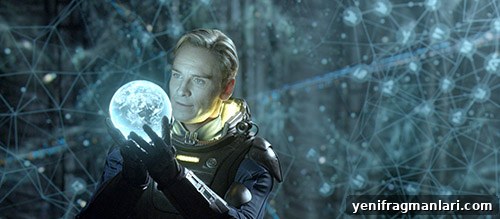
Prometheus marks Ridley Scott’s attempt to expand the Alien universe into myth and philosophy. Rather than deliver another straight creature feature, the film follows a team of scientists searching for the Engineers—the purported architects of human life—and instead uncovering a cache of lethal bioengineering. Prometheus deliberately introduces big, existential questions about creation, creators and the cost of knowledge.
Some longtime fans bristled at the departure from the franchise’s pure-horror roots, but Prometheus earned praise for reintroducing a sense of scope and mystery. It balances nods to the original film with fresh ideas and visuals, and it set the stage for subsequent prequels that further explored the origins of the Xenomorph and the Engineers.
Recommended for readers: Ridley Scott films ranked and explorations of his work.
2. Aliens (1986)

James Cameron transformed Alien’s quiet, creeping terror into a propulsive action thriller with Aliens. When Ripley awakens from decades of stasis she returns to LV-426 to investigate a human colony gone silent and finds the Xenomorph threat multiplied. Cameron’s sequel amplifies the stakes, introduces compelling new characters such as the young Newt, and blends intense set pieces with emotional resonance.
Aliens is widely regarded as one of cinema’s finest sequels: it expands the world, deepens Ripley’s character, and delivers unforgettable action while retaining dramatic tension. It also produced some of the franchise’s most iconic moments and lines, and remains a high-water mark for action-oriented science fiction.
Recommended for readers: Retrospectives on H.R. Giger and the design legacy of the original Alien.
1. Alien (1979)

The original Alien remains the franchise’s pinnacle. It introduces Ellen Ripley and H.R. Giger’s unforgettable Xenomorph design, and it perfected a blend of atmosphere, set design, cinematography and sound to build relentless suspense. The film’s twists—such as the revelation about the ship’s science officer—and its horror set pieces have become indelible moments in cinematic history.
Alien’s enduring power lies in its careful craftsmanship: from lighting and texture to pacing and practical effects, the film created a claustrophobic, nightmarish universe that subsequent entries have referenced, challenged and expanded. While later films bring their own strengths—action, mythology or spectacle—the original remains the definitive Alien experience.
Recommended for readers: A collection of the franchise’s most memorable moments and scenes.
The Alien series has proven to be an influential and adaptable franchise, spanning decades and continuing to engage new audiences with its blend of horror, science fiction and thematic depth. Which film do you believe ranks highest in the series? Share your thoughts and favorite moments, and revisit these films to appreciate the variety of tones and storytelling choices that have kept the Xenomorph mythos alive for generations.