
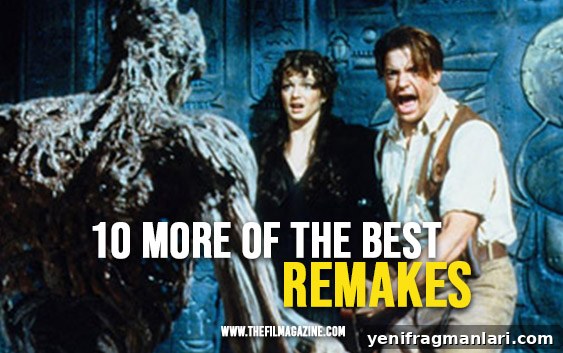
People often complain that today’s film industry is dominated by remakes and superhero franchises. While that criticism has some truth, not every remake is a lazy cash-in—several modern reworkings improve on or meaningfully reinterpret the originals and deserve attention.
Every generation revives classic literature, reboots popular series and occasionally retells older movies. The worst remakes merely transplant a story to an English-speaking setting to avoid subtitles; those tend to feel pointless. A smarter approach is to remake lesser films that can be improved, or to revisit beloved movies with a genuinely fresh perspective.
If a filmmaker intends to remake a classic, they should bring a new point of view. Shot-for-shot copies rarely add value. That said, there are many remakes where talented directors added new angles, updated themes, or executed superior technical craft—results that can stand on their own. Below is a curated list of ten remakes that work well, each chosen for how it reinterprets the source material or elevates the story.
10. King Kong (2005)
Original: King Kong (1933)
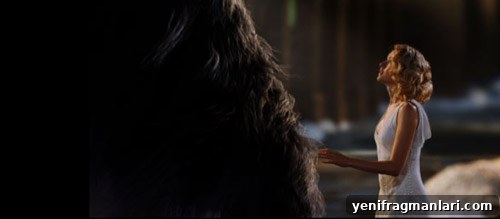
Peter Jackson’s 2005 King Kong is long and occasionally indulgent, but it succeeds in blending the director’s appetite for grand spectacle with uncanny horror elements reminiscent of his earlier low-budget work. The Skull Island section leans into monstrous, unsettling imagery while the film still retains blockbuster scale. Most importantly, Jackson and his co-writers capture the emotional core: the unlikely bond between Ann (Naomi Watts) and Kong (Andy Serkis). Their chemistry—an alliance of two outcasts—gives the film a convincing heart beneath the visual effects.
Recommended for you: The Lord of the Rings and The Hobbit Movies Ranked
9. Fright Night (2011)
Original: Fright Night (1985)
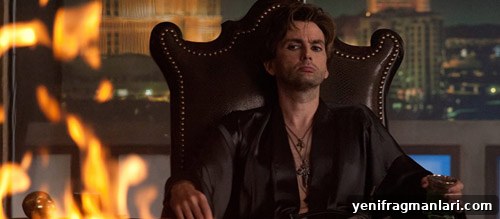
The 2011 Fright Night follows the spirit of the 1985 original but is darker and more self-aware. Anton Yelchin leads as a teen determined to expose a suspected vampire neighbor, played by a predatory Colin Farrell. Christopher Mintz-Plasse supplies comic relief while David Tennant delivers a showy, entertaining turn as an eccentric paranormal expert. It’s not revolutionary, but it’s a fast-paced, gory, and consistently entertaining horror-comedy.
8. Dawn of the Dead (2004)
Original: Dawn of the Dead (1978)
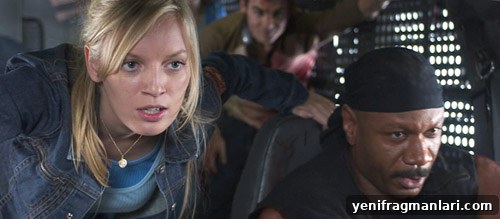
Zack Snyder’s debut remake reimagines George Romero’s mall-set zombie tale with a more visceral, high-tension approach. This version is bleaker and scarier, focusing on suspense and kinetic action rather than Romero’s overt social commentary. Strong performances from Sarah Polley and Ving Rhames help anchor the film emotionally, while moments of dark levity keep the pacing taut. Stylistically bold, Snyder’s Dawn of the Dead modernized the premise for a new audience.
Recommended for you: Zack Snyder Movies Ranked
7. Evil Dead (2013)
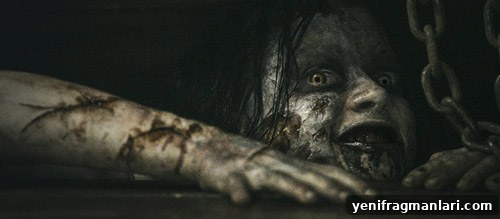
Original: The Evil Dead (1981)
The 2013 Evil Dead is less a scene-by-scene remake and more a reimagining that preserves the original’s core premise while updating the motivations and stakes for modern audiences. Director Fede Álvarez gives the characters sensible reasons to be isolated, and the film trades Sam Raimi’s comic splatter for a darker, more brutal tone. The result is polished, deeply unsettling horror that pushes visceral imagery to new extremes.
6. The Mummy (1999)
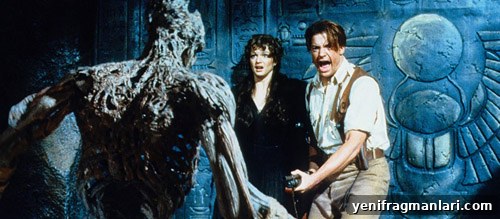
Original: The Mummy (1932)
Stephen Sommers’ 1999 The Mummy transforms the slow-burn 1932 Universal horror into an energetic adventure in the vein of Indiana Jones. Though some early CGI now shows its age, the film’s witty tone, memorable action set pieces, and strong production design make it a crowd-pleaser. The chemistry among Brendan Fraser, Rachel Weisz and John Hannah powered the box office success and led to sequels that capitalized on their dynamic.
5. Pete’s Dragon (2016)
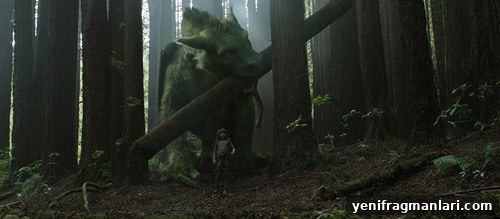
Original: Pete’s Dragon (1977)
David Lowery’s Pete’s Dragon avoids the saccharine tone of the original and instead tells a quieter, more emotionally resonant story about loneliness and belonging. Known for films that explore grief and isolation, Lowery leans into those themes here: a feral boy and his dragon hiding from a suspicious world becomes a bittersweet fable. The heartfelt performances—especially from young Oakes Fegley and Robert Redford—give the film a sincere, unforced warmth.
4. The Thing (1982)
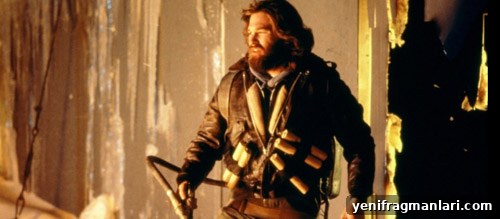
Original: The Thing from Another World (1951)
John Carpenter’s The Thing transforms the Cold War paranoia of the 1951 film into an intense, paranoia-driven survival thriller. Set in Antarctica, the movie becomes a masterclass in isolation horror, mixing practical and emerging special effects to create genuinely disturbing creature work. Kurt Russell’s MacReady emerges as a resourceful, reluctant hero, and the film’s atmosphere of mistrust and claustrophobia has made it a lasting classic.
Recommended for you: Alien Movie Franchise Ranked
3. A Fistful of Dollars (1964)
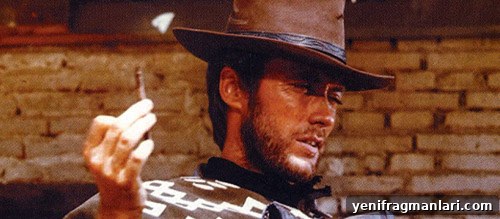
Original: Yojimbo (1961)
Clint Eastwood’s breakout as the Man With No Name came in A Fistful of Dollars, Sergio Leone’s uncredited adaptation of Akira Kurosawa’s Yojimbo. The film introduced a distinct visual and tonal style that helped define the Spaghetti Western. Leone’s economical storytelling and bold imagery turned familiar story beats into iconic cinematic moments, influencing the Western genre for decades.
Recommended for you: For Only A Fistful of Dollars – How A Low Budget Western Reinvented the Hollywood Hero
2. Let Me In (2010)
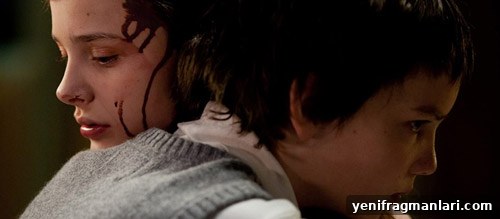
Original: Let the Right One In / Låt den rätte komma in (2008)
Matt Reeves adapted Tomas Alfredson’s Swedish vampire drama into an American setting while retaining the original’s melancholic tone. Let Me In increases the intensity of certain scenes and expands emotional depth among side characters, most notably in the portrayal of the vampire’s human companion. The film balances tender coming-of-age elements with chilling violence, offering a sympathetic and suspenseful revision of the source.
1. The Invisible Man (2020)
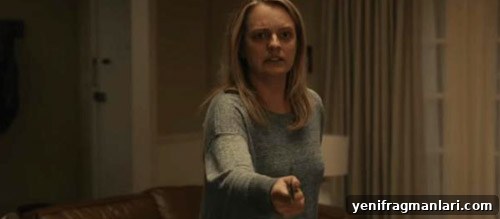
Original: The Invisible Man (1933)
Leigh Whannell’s Invisible Man is the most radical reinterpretation on this list. Where the 1933 original leaned into gothic spectacle, Whannell’s version uses the premise as a metaphor for domestic abuse and gaslighting. Elisabeth Moss anchors the film with a tense, resourceful performance, while the movie builds terror through the unseen and the audience’s imagination. The Invisible Man turns a classic sci-fi concept into a potent, timely thriller.
Recommended for you: Where to Start with Universal Classic Monsters
Which remakes do you think succeed—and which ones fall short? Share your thoughts in the comments or on social media.