
The Witch (2015)
Director: Robert Eggers
Screenwriter: Robert Eggers
Starring: Anya Taylor-Joy, Ralph Ineson, Kate Dickie, Harvey Scrimshaw, Ellie Grainger, Lucas Dawson
Even years after its release, The Witch remains a landmark in modern historical horror, an unsettling portrait of faith, family and female agency. As a debut feature from Robert Eggers, the film established his signature approach: meticulous period detail, a slow-burning dread rooted in folklore and a focus on character-driven terror. Revisiting the film around the anniversary of its UK release highlights how it shifted the conversation about what smart, atmospheric horror could achieve—both emotionally and thematically.
Set in 1630s New England, the story follows a Puritan family forced from their community who try to carve out a life on the edge of an ancient forest. When crops fail and a child disappears, suspicion and paranoia tear the household apart. Eggers’ screenplay uses a small cast and confined setting to examine broader anxieties: religious rigidity, patriarchal control and the isolation that amplifies fear. The result is less a series of jump scares than a study of how a family fractures under pressure and how a young woman comes to terms with her identity amid accusations and superstition.
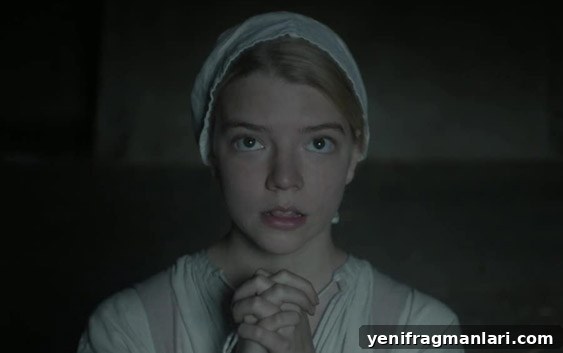
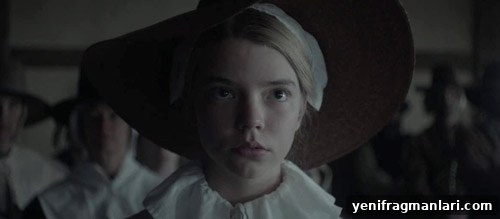
Anya Taylor-Joy, then a teenager, delivers the film’s most arresting performance as Thomasin, the eldest daughter caught between childhood and adulthood. Her portrayal moves from quiet restraint to a slow, almost tectonic shift into defiance and otherness. Taylor-Joy’s performance is subtly layered—she conveys vulnerability, simmering resentment and the dangerous clarity that emerges when a life is made unbearable by suspicion and repression. Opposite her, Kate Dickie plays Katherine, the anxious, zealous mother whose need for control collides with Thomasin’s growing independence. The friction between the two women forms the emotional core of the film. Ralph Ineson’s father is a grieving, stubborn head of household whose rigid faith and despair do little to steady the family; his performance underscores how male authority and sincere belief can coexist with helplessness.
Critics and audiences first took notice of The Witch at the Sundance Film Festival, where the film’s unique tone and period authenticity generated strong word-of-mouth. Viewers praised the ensemble’s commitment and the film’s painstaking historical detail, which stretches beyond costume and setting into diction, household rhythms and the texture of daily survival. Eggers relies on a deliberate pace, naturalistic performances and an austere visual style to build tension; the film rewards patience by turning mundane moments—prayers, meals, chores—into sites of mounting dread.
Beyond performance and direction, The Witch thrives on its thematic clarity. The narrative maps the breakdown of familial trust onto a larger allegory about persecution, feminine power and the corrosive effects of fanaticism. Classical horror tropes—witchcraft, the haunted wood, a diabolical presence—are reworked into psychological and social threats. Instead of simply depicting external evil, Eggers explores how communities and families can manufacture monsters through scapegoating and fear.
Technically, the film is deliberate and restrained. The cinematography emphasizes natural light and shadow, creating an intimate, claustrophobic atmosphere. Sound design and an unobtrusive score heighten unease without resorting to sensationalism. Every frame feels considered, and the result is an immersive film that lingers after the credits. For many viewers, this approach made the movie feel like a modern folktale—timeless, stark and morally ambiguous.
The Witch also marked the emergence of Anya Taylor-Joy as a major screen presence; her later accolades, including recognition for her work in other projects, underscore how this film served as a breakthrough. Robert Eggers’ career continued to develop along similar lines of intense period storytelling and psychological dread, and his later films have often revisited the themes and tonal qualities hinted at in this debut.
Ultimately, The Witch earns its reputation by refusing easy answers. It is both a historical piece and a contemporary exploration of power, gender and belief. Its slow burn, exacting production design and fierce performances create a film that remains potent and unsettling—one that invites repeated viewings and sustained discussion.
21/24