
Wish (2023)
Directors: Chris Buck, Fawn Veerasunthorn
Screenwriters: Jennifer Lee, Allison Moore
Starring: Ariana DeBose, Chris Pine, Alan Tudyk, Angelique Cabral, Victor Garber, Natasha Rothwell, Jennifer Kumiyama, Harvey Guillén, Evan Peters, Ramy Youssef, Jon Rudnitsky
Celebrating one hundred years of Disney is a daunting creative challenge. What began as a small animation studio has grown into an entertainment titan, shaping pop culture across generations. The studio’s centennial film, Wish, aims to honor that legacy while telling a new story rooted in the company’s most cherished traditions. It’s a concept with clear sentimental potential — reconnecting to the legacy of “When You Wish Upon a Star” and the golden age of hand-drawn animation — yet the execution leaves the film feeling uneven and overly self-referential.
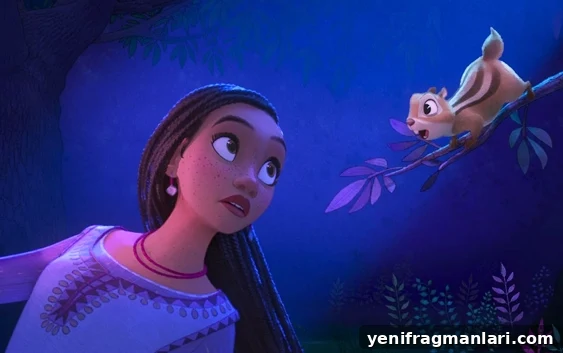
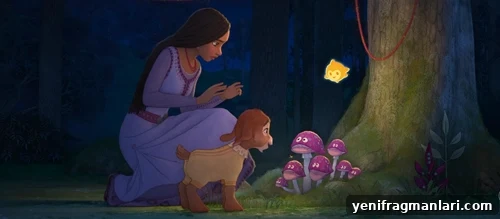
After several years of mixed returns, Disney has refocused on animated features like Raya and the Last Dragon, Encanto, and Strange World. Wish follows that return to animation, placing its narrative in the kingdom of Rosas, ruled by the charismatic King Magnifico (voiced by Chris Pine). Magnifico presides over a ritual in which, upon turning eighteen, citizens can entrust their most important wish to the king for safekeeping. Asha (Ariana DeBose), a determined young woman, discovers unsettling truths about Magnifico’s motives and sets out to oppose him — even if it means literally wishing upon a star.
The film openly leans on Disney’s past. It references the company’s signature song and borrows visual cues from classic hand-drawn styles, creating moments that aim for nostalgia. Those callbacks are, at times, affectionate and clever: the movie attempts to bridge Disney’s century-long evolution into a single, celebratory narrative. But leaning on nostalgia alone cannot carry the whole film.
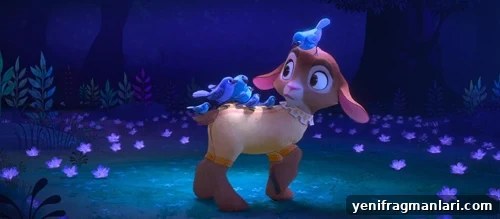
Where Wish struggles most is in its emotional core. The story’s concept — reclaiming the meaning of wishes and the power of hope — is solid, yet the screenplay often feels perfunctory. The film’s central protagonist, Asha, benefits from Ariana DeBose’s lively vocal performance and a clearer personal arc: she’s spirited, idealistic, and motivated. However, the supporting characters around her are thinly sketched, reduced to broad archetypes rather than fully realized people. A diverse ensemble fills the screen, reflecting contemporary values of representation, but the film rarely spends enough time developing these characters beyond surface traits.
That shortfall is most visible in musical set pieces and group moments designed to showcase the cast’s diversity. Numbers like “Knowing What I Know Now” emphasize variety of appearance and background, but the choreography and staging highlight differences more than inner life. As a result, the scene feels like a checklist rather than an organic expression of character. The emotional stakes never fully land, because we have limited reason to invest in any character besides Asha.
Pacing works against the film as well. At roughly ninety-five minutes, Wish rushes through plot beats with haste, leaving little room for quieter, character-driven moments that would deepen the story’s emotional resonance. This briskness gives the impression that the movie was assembled to meet a corporate milestone more than to nurture a rich, standalone tale.
Nevertheless, Wish includes elements worth praising. The decision to evoke a hand-drawn aesthetic gives the film visual charm, and the musical format offers genuinely enjoyable moments. The central idea — reflecting on the cultural mythology of “wishing” and how that myth has shaped Disney’s identity — is thoughtful and could have yielded something deeply meaningful. On occasion, the film approaches that potential, reminding the audience why the original material resonated so strongly.
Where the movie ultimately falters is in tone and intent. Too often, the celebration of Disney’s past veers into self-congratulation, prioritizing studio nostalgia over narrative strength. The result is a film that feels like promotional fanfare rather than a grown, independent work. For adult viewers and longtime fans, that can be a frustrating limitation: what promises a heartfelt tribute instead becomes a thinly veiled advertisement for the brand.
For younger audiences, Wish will likely deliver the enchantment expected of a Disney musical — colorful animation, catchy songs, and a clear moral throughline about hope and courage. Children may leave theaters delighted, and those moments of wonder are genuine. Yet for viewers seeking depth or innovation, the film’s superficial treatment of its themes and characters falls short.
In sum, Wish has a strong idea at its center and occasional flashes of visual and musical appeal, but it lacks the emotional depth and character work needed to make that idea sing. With more time, focus, and emotional investment, this centennial offering could have honored Disney’s legacy while standing as a memorable film in its own right. As it stands, Wish is an uneven celebration: visually appealing and occasionally moving, but ultimately hollow in places where it most needs heart.
Score: 7/24
Rating: 1 out of 5.