

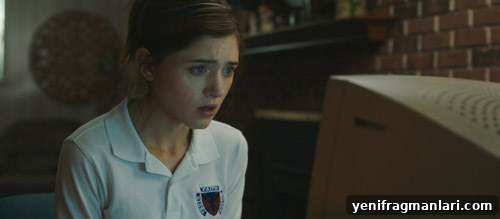
Yes, God, Yes (2019)
Director: Karen Maine
Screenwriter: Karen Maine
Starring: Natalia Dyer, Francesca Reale, Alisha Boe, Timothy Simons, Wolfgang Novogratz, Susan Blackwell
“We’re all hiding stuff. All kinds of stuff. What if we just tried to be honest and to treat each other with respect? That’s what Jesus wanted, right? And then maybe we could stop feeling so guilty of who we are all the time because the truth is, we’re just trying to figure out our shit.”
Karen Maine’s feature debut, Yes, God, Yes, is a warm, witty exploration of teenage sexuality, guilt and religious upbringing. The film centers on Alice, a 16-year-old Catholic girl whose sheltered life is upended by the discovery of online chatrooms and the resulting shame that follows. Seeking atonement, she attends a school religious retreat where awkward lessons about sin and purity meet the messy reality of adolescent curiosity. What unfolds is a coming-of-age story that balances tenderness with sharp, comedic insight.
The film’s early 2000s setting gives it a nostalgic texture while also highlighting how persistent certain religious attitudes remain. Maine’s script uses that backdrop to examine how institutional teachings about sex and morality shape young people’s inner lives. The camp sequences mix earnest zeal with cringe-worthy moments led by overconfident counselors, and these contrasts generate much of the film’s humor and emotional heart. Rather than mocking faith outright, the film sensitively portrays believers while critiquing the guilt and misinformation often handed down to teenagers.
Natalia Dyer turns in a quietly effective performance as Alice, bringing vulnerability and hesitancy to a character at the center of her own moral confusion. Dyer’s portrayal is restrained and believable, allowing the audience to feel Alice’s curiosity and fear without melodrama. Supporting performances — notably Susan Blackwell in a small but memorable role — provide both comic relief and a catalyst for Alice’s growth. These interactions help push the film beyond mere satire into a more compassionate understanding of adolescence.
Maine’s direction and screenplay are economical and focused. At just 78 minutes, the film moves briskly through most story beats, delivering a compact narrative that rarely overstays its welcome. That brevity is also its limitation: a few scenes that delved deeper into Alice’s friendships or her family life would have broadened the film’s emotional range. Still, the short runtime contributes to the film’s light, accessible tone and makes it an easy, engaging watch.
Humor in Yes, God, Yes often arises from the clash between literal religious instruction and teenage imagination. Jokes about gendered metaphors — the recurring quip that women are like ovens and men like microwaves — are played for laughs but also highlight how reductive explanations of sexuality can confuse more than they clarify. The film handles these moments with a mix of satire and empathy, suggesting that honesty and respectful conversation are better guides than fear or shame.
More than a mere comedy, the film is a portrait of personal awakening. Alice’s journey toward a healthier relationship with her body and desires culminates in small but significant acts of self-possession: reclaiming pleasure from stigma, questioning limiting expectations, and imagining futures beyond the immediate confines of her community. These quieter victories are key to the film’s emotional resonance.
Technically, the film is modest but effective. The cinematography and production design evoke the period setting without drawing undue attention to themselves, while the performances and script carry the weight of the storytelling. Maine’s debut establishes her as a filmmaker with a clear, empathetic voice and a knack for blending humor with sincere observation.
Overall, Yes, God, Yes is a concise, thoughtful coming-of-age film that succeeds by centering a vulnerable protagonist and treating sensitive subject matter with respect. It’s likely to resonate with viewers who remember the awkwardness of adolescence or who are interested in narratives about faith, sexuality and the transition to adulthood. Though a few scenes could have been expanded, the film’s sharp writing and assured performances make it a rewarding, refreshing watch.
17/24