
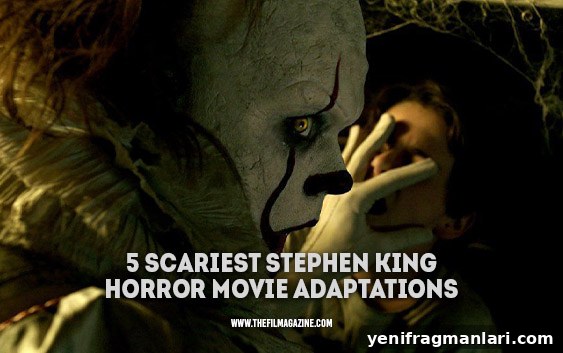
Top 5 Scariest Stephen King Film Adaptations
Stephen King published his first novel, Carrie, in 1974 and quickly established himself as one of the most influential horror writers of the modern era. Over the decades, many of his novels and novellas have been adapted for the screen, inspiring directors to bring his unsettling, imaginative visions to life. This list focuses strictly on fear: the five film adaptations that deliver the most sustained dread, unnerving atmosphere, and visceral terror.
These selections emphasize scare power rather than critical acclaim or awards, so acclaimed King adaptations like The Shawshank Redemption and The Green Mile are intentionally excluded. Below, each entry highlights why the film ranks among the scariest adaptations of King’s work and what makes it stand out as a chilling cinematic experience.
5. 1922 (2017)
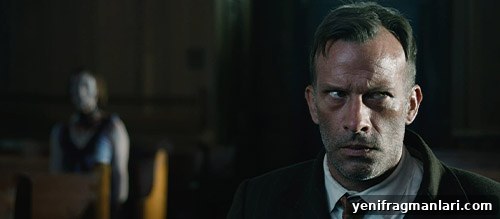
Dir. Zak Hilditch
1922 adapts a bleak novella from the Full Dark, No Stars collection into a slow-burn psychological horror about guilt, decay, and madness. Thomas Jane stars as Wilf, a farmer who conspires with his son to murder his wife to prevent her from selling the family land. What follows is a grim spiral: the murder haunts the men, relationships fray, and Wilf slowly descends into paranoia and obsession while the corpse’s presence—and the rats that feed on it—become a relentless, disgusting reminder of the crime.
The film’s strength lies in mood and patient escalation. It doesn’t rely on constant jump scares; instead it builds dread through atmosphere, grim details, and the inexorable collapse of a man’s sanity. The supernatural elements remain understated but effective, letting the viewer imagine horrors that may be psychological, supernatural, or both. Netlix’s measured pacing and visual bleakness make 1922 a modern example of how quiet horror can be as disturbing as any loud shock.
4. Misery (1990)
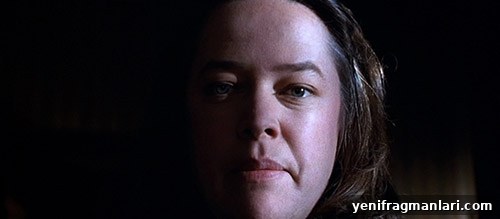
Dir. Rob Reiner
Misery is one of King’s most effective adaptations precisely because it contains no supernatural elements; it is terrifying in its realism. James Caan plays Paul Sheldon, a best-selling novelist who is rescued from a car crash by Annie, a seemingly devoted fan played by Kathy Bates. When Annie discovers Paul has killed off her favorite character, her admiration curdles into obsession and violence.
Kathy Bates delivers an iconic performance, making Annie both believable and monstrous. The film turns a simple setup—a writer held captive by a fan—into a tightening vice of psychological and physical terror. Misery’s claustrophobic setting, credible character motivations, and brutality make it one of the most harrowing entries in King’s screen catalog and a masterclass in suspense without the supernatural.
3. 1408 (2007)
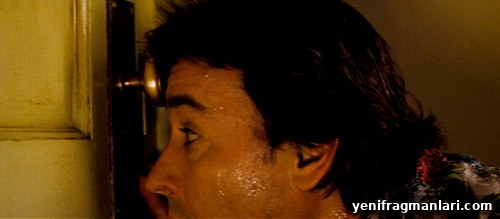
Dir. Mikael Håfström
1408 adapts a King story about a haunted hotel room into a tense, claustrophobic psychological horror. John Cusack plays Mike Enslin, an author who debunks supernatural claims but is drawn into the mystery of Room 1408 at the Dolphin Hotel. Despite warnings from the hotel staff, Mike checks in and experiences increasingly disorienting and violent phenomena that push him—and the audience—past the limits of sanity.
The film excels at manipulating perspective. As the line between reality and hallucination blurs, viewers are trapped in the same suffocating space as the protagonist. A string of inventive scares, combined with escalating emotional stakes, makes 1408 a potent example of how a single, well-defined location can sustain a deeply disturbing film.
2. The Shining (1980)
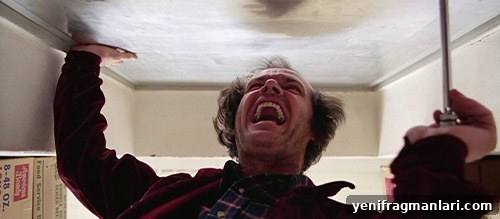
Dir. Stanley Kubrick
Stanley Kubrick’s The Shining is perhaps the most visually and psychologically unsettling Stephen King adaptation. Based on King’s 1977 novel, the film follows Jack Torrance (Jack Nicholson) as he takes a job as caretaker of the isolated Overlook Hotel. Isolated with his wife Wendy and son Danny, Jack’s temper and mental state deteriorate until he becomes a danger to his family.
Kubrick’s approach emphasizes mood, disorientation, and mounting dread. The hotel itself is crafted with eerie geometry, uncanny sound design, and images that lodge in the mind long after viewing. While King famously criticized Kubrick’s departures from the novel’s tone and character motivations, the film’s mastery of cinematic unease remains undeniable. The Shining is less about jump scares and more about a creeping sense of inevitable collapse—the slow burn of a man losing himself in a hostile, supernatural environment.
1. It (2017)
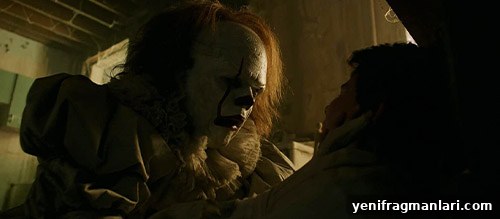
Dir. Andy Muschietti
It (2017) tops this list because it combines childhood fears, visceral horror, and a relentlessly frightening antagonist in Pennywise the Dancing Clown. Adapted from King’s sprawling novel, the film concentrates on the Losers Club, a group of children in 1989 who must confront an ancient entity that feeds on fear. The creature, taking the form of a clown, preys on each child’s deepest anxieties and traumas, producing vivid, personal horrors.
What makes It so terrifying is the way it meets the characters (and the audience) at a human level: their fears are believable, heartbreakingly real, and amplified by the monster into surreal, nightmarish sequences. Andy Muschietti blends effective visual design with grounded performances from the young cast, creating moments that are both grotesque and emotionally charged. It is an adaptation designed to haunt viewers long after the credits roll.
These five films highlight the different ways Stephen King’s work translates into cinematic fear: from psychological decay and realistic menace to supernatural dread and monstrous embodiments of terror. Each entry relies on mood, performance, visual detail, and careful escalation to unsettle audiences.
What do you think—are there other King adaptations that unnerved you more than these selections? Share your thoughts in the comments. Follow us on social media for more film lists and horror recommendations.